Discover Calm Bays, Rugged Fiords and Wild Trout: Canoeing Experiences That Will Change How You See New Zealand
Introduction: Why Canoeing Experiences in New Zealand Matter
Imagine slipping silently off a golden beach as dawn paints the mountains, or drifting under a cathedral of beech forest while a tūī calls from dense branches. That’s the promise of Canoeing Experiences in New Zealand. Whether you’re after a chilled day paddle, a fishing-focused morning, or a multi-day wilderness run, New Zealand serves up water-based adventures in a way few places can match. In this guide you’ll find real, useful advice—where to go, what to pack, when to paddle, and how to keep safe—so you can plan trips that feel effortless and memorable. Read on to discover routes, gear, seasonal tips and pro tricks that make the difference between good trips and unforgettable ones.
When you’re planning your next paddle, it helps to use trusted resources that bring together route notes, safety tips and local insights. For a single hub of practical advice covering fishing, hunting and paddling in Aotearoa, check out fishing-hunting-canoeing-new-zealand.com, which collects trip stories, gear notes and destination overviews all in one place—perfect for plotting your next Canoeing Experience with confidence and local flavour. The site is easy to navigate and especially useful when you need quick inspiration before a weekend escape.
If you’re refining your kit list and want a clear, step-by-step approach to what to take for a day paddle or an extended river trip, the dedicated guide on Gear Setup for Canoeing is a solid read. It breaks gear into categories—paddles, flotation, clothing and camping—and explains why each item matters in real-world conditions. Reading gear advice like this helps you avoid overpacking and ensures your canoeing days are comfortable and safe, whether you’re chasing trout or simply chasing views.
Technique matters almost as much as kit. If you want to up your game and paddle with more efficiency and control, take a look at the practical drills and paddle strokes in Kayak Paddling Techniques. Many of the ideas translate directly to canoeing: bracing, efficient forward strokes, and safe re-entry methods that increase your confidence on larger lakes and rivers. Practising a few of these techniques before a trip will make your time on the water feel easier and more enjoyable.
Safety is a constant priority—especially when tides, river flows and remote logistics are in play. For clear, regionally specific advice about dealing with New Zealand conditions, consult NZ Waterway Safety Tips, which compiles practical precautions, equipment checklists and contingency planning recommendations. Building a habit of checking flow reports and tide tables and carrying a PLB or satellite messenger is a small effort that pays off massively.
For personal inspiration and trip ideas you can actually follow, the firsthand trip narratives in Personal River Adventures NZ are great reads. These stories are useful because they mix route logistics, campsite suggestions and the kind of on-the-water observations—wind patterns, tricky put-ins, or quiet early-morning fish spots—that make planning easier. They’re the sort of reports you’ll wish someone had given you before your first multi-day river run.
If your appetite is for scenic variety and mapping out a route that balances easy paddling with dramatic views, the collection at Scenic Routes and Trails highlights coastal and inland options with clear notes on access, tides and nearby facilities. Use these route descriptions to build an itinerary that includes a mix of calm bays, polished alpine lakes, and sheltered estuaries—each offering distinct moods and wildlife encounters for your Canoeing Experiences.
Canoeing Experiences: Exploring New Zealand’s Serene Waterways
Canoeing here is all about intimacy with the landscape. Unlike motorboats, a canoe lets you approach shorelines and wildlife quietly, peer into shallow riffles, and land on tiny beaches that most people never see. You can choose gentle flat-water afternoon paddles or step up to flowing rivers and fiord inlets that require more skill. The variety is staggering: braided lowland rivers, glacier-fed alpine lakes with surreal colours, sheltered estuaries full of birds, and the deep, dramatic fiords of the south.
Start by asking yourself a few simple questions: Do you want solitude or company? Fish or photos? Day-trip or overnight? Your answers will point you to different types of Canoeing Experiences. And remember, the best trips often combine several elements—cast a line at dawn, stroll a remote beach at midday, then tuck into a campsite and watch stars swell over the water.
Top River and Lake Routes for Unforgettable Canoeing Experiences in NZ
Here are tried-and-true routes across both islands. These cover beginner-friendly options and more adventurous trips. Wherever you paddle, think about logistics—access, exits, shuttles and huts—and always check current conditions before you go.
North Island Highlights
- Whanganui River — A cultural classic. This multi-day river trip through deep native bush and sculpted gorges is rich in history and scenery. Canoeists can camp or stay in DOC huts and enjoy gentle river cruising punctuated by small rapids and braided sections.
- Lake Taupo — England-sized lake with sheltered bays, trout-rich waters and dramatic volcanic shoreline. Ideal for mixing canoeing with fishing and exploring coves reachable only by boat.
- Rotorua & Rotoiti — Warm lakes, geothermal sights nearby, and easy beach landings. Good choice for families and anglers wanting accessible, comfortable paddles.
- Mangapurua/Bridge to Nowhere — A more remote river route with a striking historic ruin. Expect solitude and a sense of place—perfect for reflective Canoeing Experiences.
South Island Highlights
- Abel Tasman National Park — While often thought of for kayaking, Abel Tasman’s sheltered bays and short coastal crossings make it fantastic for canoe-style paddling. Golden sand, clear water, and abundant birdlife—just watch the tides.
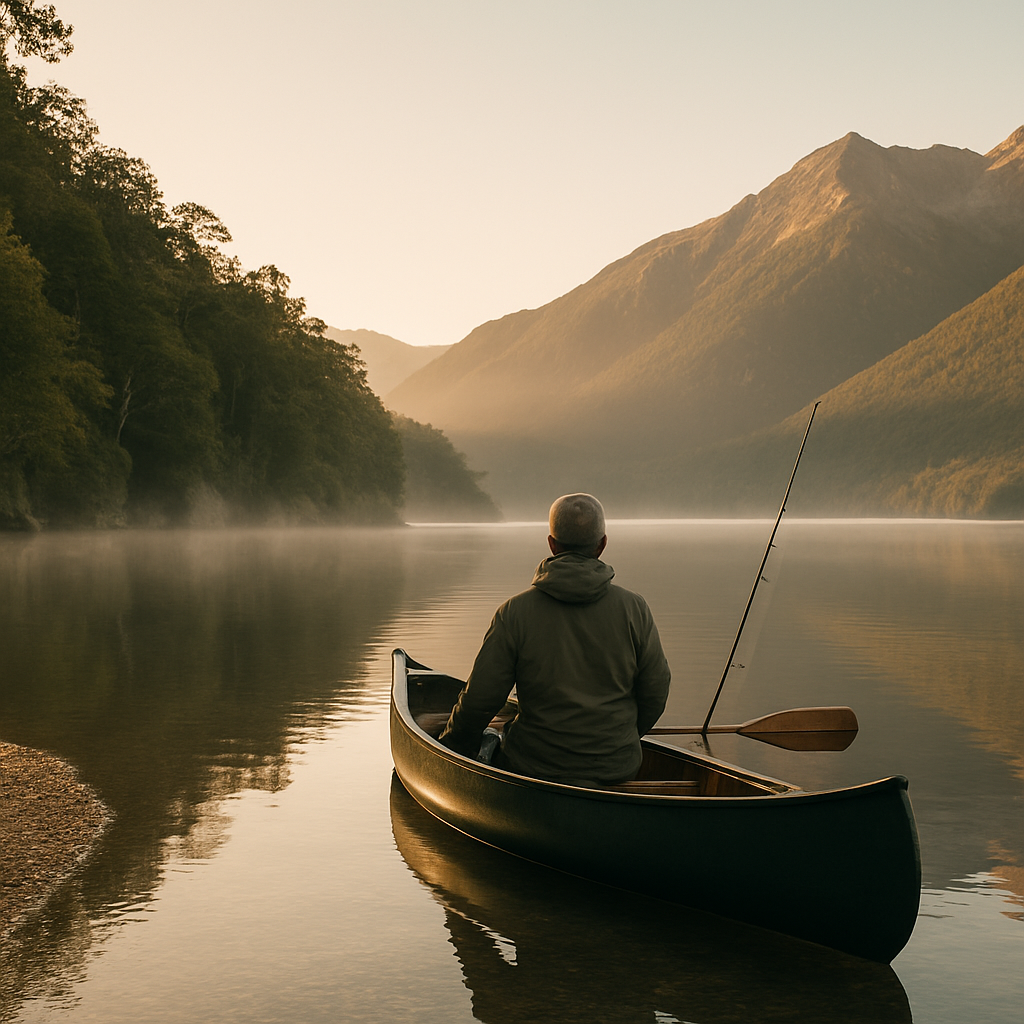
- Lake Wanaka & Lake Hawea — Alpine-backed lakes with glassy mornings and remote beaches. Sunrise paddles show the mountains mirrored on glass-calm surfaces—utterly photogenic.
- Fiordland (Doubtful & Dusky Sounds) — For experienced paddlers: towering cliffs, thundering waterfalls and the chance of dolphins and seals. Weather and logistics are serious considerations here; guided trips are highly recommended.
- Mavora Lakes & Te Anau — Quiet, clear lakes near Fiordland offering remote, camping-friendly paddles with superb stargazing at night.
Tips for Choosing a Route
Match the route to the season and your experience. Summer lake paddles are great for beginners; spring brings flushes on rivers and rapid changes; winter yields solitude but colder conditions. If you plan a multi-day Canoeing Experience, check DOC hut availability, water levels, access roads and any required permits.
Gear Essentials for Safe and Enjoyable Canoeing Experiences in New Zealand
Bring the right gear and your trip suddenly gets a lot easier. Here’s a practical list for day trips and multi-day expeditions. Think safety-first, then comfort.
Boat and Paddling Equipment
- Stable canoe or touring kayak suited to your route; if fishing, a stable platform with room for gear.
- Primary paddle and a spare paddle—yes, really. Paddles break or wash away.
- Buoyancy aids/PFDs: one per person, fit-tested and worn on moving water.
- Spraydeck or cover if water or wind can be an issue, and floatation bags for canoes on moving rivers.
Clothing and Personal Safety
- Layers—thermal base, mid-layer, waterproof shell. Avoid cotton.
- Neoprene or quick-dry footwear that grips rocks and stays attached.
- Helmet for whitewater or unknown river hazards.
- Sun protection: hat, sunscreen, polarized sunglasses for spotting fish and subsurface hazards.
Navigation, Communication and Emergency
- Waterproof map and compass; smartphone in a dry bag with offline mapping.
- PLB or satellite messenger for remote trips; VHF radio where relevant.
- First-aid kit, repair kit (duct tape, spare cord, patch kit), bilge pump or sponge.
Camping and Fishing Extras
- Lightweight tent, sleeping bag rated for expected temperatures, and cooking stove.
- Water filtration or purification tablets—never assume water is safe to drink straight from streams.
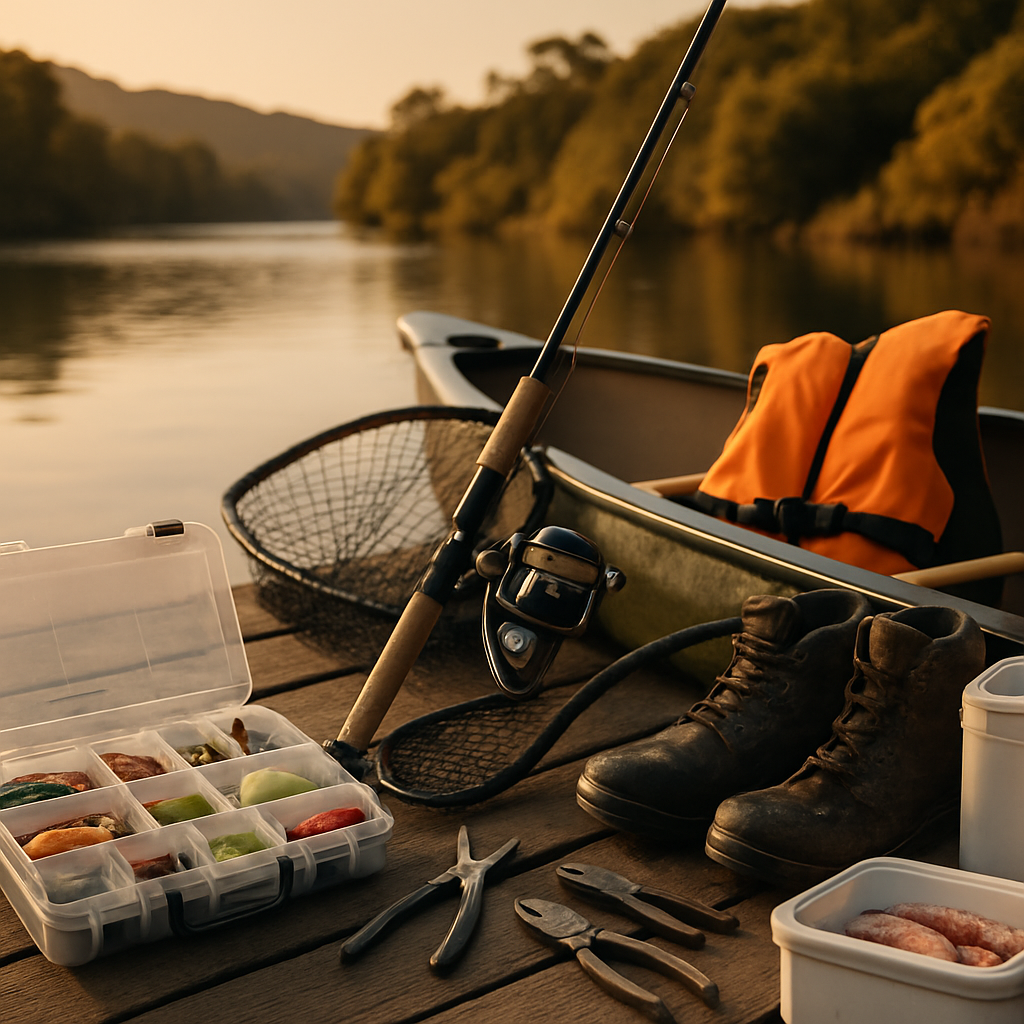
- For anglers: licence, rod leashes, tackle stowed low and secure, and a simple cooler or insulated bag if you’re keeping fish.
Renting? Confirm what the operator provides. For serious river runs or fiord trips, consider hiring a guide or booking a guided tour to cover logistics and safety.
Seasonal Guides: When to Experience Canoeing in NZ’s Rivers and Coasts
Timing will shape your experience more than you might think. Weather, water temperature, and wildlife activity all follow seasonal rhythms across New Zealand.
Summer (Dec–Feb)
Most popular time: warm, long days and many calm mornings. Great for family outings, coastal paddles and lake days. But large lakes can develop unpredictable afternoon winds—plan to be off open water by mid-afternoon if the forecast looks iffy. Expect more crowds in famous spots like Abel Tasman and Lake Taupo.
Autumn (Mar–May)
Often the best compromise—milder temperatures, fewer people and vibrant colours in riverside forestry. Water is still relatively warm early in the season and fishing can be excellent.
Winter (Jun–Aug)
Low visitor numbers and dramatic skies make for unforgettable paddles for experienced, well-prepared groups. Lakes can be glassy and empty, but dress for cold and ensure you have thermal layers and a clear plan. Fiordland in winter is wild—spectacular waterfalls but challenging weather.
Spring (Sep–Nov)
Snowmelt and spring rains raise river flows—conditions can change quickly, so if you’re planning river Canoeing Experiences, be cautious and up-to-date with flow data. Spring is brilliant for birdlife and newborn animals along riverbanks.
Always check tide tables for coastal paddles, river flow reports for rivers, and local weather forecasts. It’s boring to be overcautious—until you’re glad you were.
Wildlife Encounters and Scenic Vistas: Canoeing Experiences in NZ National Parks
One of the real thrills of Canoeing Experiences in New Zealand is the wildlife. Paddling quietly gives you access to viewpoints and animals most visitors never see. But with privilege comes responsibility.
What You’re Likely to See
- Birds: tūī, bellbird, kererū, oystercatchers, and numerous shorebirds in estuaries.
- Marine mammals: dolphins (including Hector’s dolphins in parts of the north), fur seals and occasionally whales off the coasts.
- Penguins: blue penguins can be spotted in sheltered bays, especially at dawn or dusk.
- Freshwater life: trout in many clear lakes and rivers, and native eels (tuna) in sheltered waters.
Respectful Viewing
Keep your distance, especially at breeding sites and haul-outs. Minimise noise, avoid sudden approaches, and never feed wildlife. Use binoculars and camera telephotos to bring animals close in your photos rather than getting physically closer.
Scenery Worth Planning For
Paddle at dawn or dusk for low wind and dramatic light. Plan a trip that times you into calm mornings on large lakes and late afternoons in sheltered coves. Fiord walls, glacier-fed lakes and sunlit beech forests are all waiting—each lights up in a different way depending on the season.
Tips from the Pros: Maximizing Your Canoeing Experiences with Fishing Hunting Canoeing NZ
Here’s the kind of advice you get from people who spend weeks on the water every year. Take it on board and your trips will be smoother, safer and more fun.
Plan with Purpose
Decide your top two objectives for the trip—wildlife, fishing, photography, or simply escape—and structure the day around them. If fishing is priority, aim for dawn or dusk; if photos, aim for golden hours and scout landing points that make for good compositions.
Pack Light, Pack Smart
Weight is everything in a canoe. Secure heavier items low and near the centreline. Put items you’ll need while underway—map, sunglasses, sunscreen—within easy reach in a dry bag.
Safety First—and Practice Often
Practice capsize drills in calm conditions. Know how to re-enter from the water and how to do assisted rescues. Learn to read currents, spot strainers (fallen trees or debris that trap boats) and identify safe landing points.
Mind the Rules
Follow fishing regulations, get licences where required, and respect park rules. For culturally sensitive areas, observe local tikanga and signage—these places have stories and values that predate all of us.
Use Local Knowledge
Local guides and hire operators know the sneaky bits: where to avoid afternoon winds, which coves hold fish, and which campsites are sheltered from southerlies. For complex routes—especially in Fiordland or surf-exposed coasts—consider booking a guide.
Practical Planning Checklist and Local Considerations
Here’s a compact checklist to run through before any Canoeing Experience in New Zealand:
- Check weather forecasts, river flow and tide tables.
- Get any required permits and book huts or campsites if needed.
- File a trip plan with someone reliable or with DOC, including estimated return time.
- Confirm access points, shuttles or boat pickups in advance.
- Charge communications, bring backups and consider a PLB for remote trips.
- Respect local customs, signage and biosecurity rules—clean gear between water bodies to prevent pest spread.
FAQ — Common Questions People Search for About Canoeing Experiences
Do I need a licence to canoe or fish while canoeing in New Zealand?
No licence is needed just to paddle a canoe. However, if you plan to fish in freshwater, you must have a valid freshwater fishing licence for the region and follow catch limits and closed seasons. Some protected areas or DOC-managed sites may require permits or booking fees for campsites or hut stays—always check local rules before you leave.
What’s the best time of year for Canoeing Experiences and trout fishing?
Summer (Dec–Feb) is the warmest and most popular for general paddling and coastal trips, while autumn offers fewer crowds and stable conditions. For trout fishing, dawn and dusk are prime times across seasons; spring and autumn can be particularly productive, but spring also brings higher river flows from snowmelt so check conditions first.
Can beginners safely canoe New Zealand rivers and lakes?
Yes—many rivers and lakes have beginner-friendly sections and rental operators who provide instruction. Start on sheltered lakes or slow-moving rivers and consider a guided trip for your first multi-day or fiord-based journey. Avoid braiding rivers and whitewater sections until you’ve had proper training and experience.
What safety gear should I never paddle without?
At minimum wear a correctly fitted PFD at all times on moving water, carry a whistle, have a spare paddle, and bring a waterproof navigation device or map. For remote trips, a PLB or satellite messenger is strongly recommended. Always pack a first-aid kit and a basic repair kit for your boat.
How do I read river flows and know when they’re safe?
Local regional councils publish river flow data—check those online and compare against recent rainfall. Look for rapid colour changes, debris and strong currents at put-ins; if the river looks faster or muddier than expected, postpone. If you’re unsure, get local advice or book a guided trip.
Should I hire a guide or go solo?
If you’re unfamiliar with the area, tackling fiords, surf-exposed coasts, or multi-day rivers, hiring a guide is a smart choice. Guides handle logistics, safety and access, and they’ll show you local tricks that save time and stress. Solo trips are fine on well-known, sheltered routes if you’re competent and have left a trip plan with someone ashore.
Are there biosecurity steps I should follow between waterways?
Yes. Clean all gear—boats, paddles, wetsuits and footwear—between water bodies to prevent transferring pests or invasive species. Dry gear thoroughly when possible and follow any local cleaning protocols. Biosecurity protects native species and ensures waterways remain healthy for everyone.
How do I combine fishing with canoeing safely?
Keep weight low and centred in the canoe, use rod leashes and collapsible rod holders, and secure loose tackle. Don’t stand unless the boat is rated for it, and always wear your PFD. Know the local fishing regulations and handle catches humanely and legally—bring a proper landing net and a way to keep fish cool if you’re keeping them.
What are the best regions for wildlife-focused Canoeing Experiences?
Abel Tasman is excellent for sheltered coastal birdlife; Fiordland offers marine mammals and dramatic scenery; many estuaries and lowland rivers are hotspots for shorebirds and wetland species. Dawn and dusk are best for wildlife viewing, and paddling quietly increases your chances of close encounters without disturbing animals.
Where can I rent canoes and book guided Canoeing Experiences?
Major tourist hubs and national parks have reputable hire operators and guides—think Abel Tasman, Queenstown/Wanaka, Rotorua and the Whanganui River region. Always check reviews, ask what equipment is included, and confirm safety briefings and insurance before booking.
What should I pack for an overnight canoeing trip?
Pack light but smart: sleeping bag rated for expected temps, lightweight shelter, stove and fuel, water purification, spare clothing in dry bags, food, navigation, first-aid kit, PLB and repair kit. Make a detailed kit list and do a test pack to ensure weight is balanced and manageable in the canoe.
How can I keep my Canoeing Experiences low-impact?
Follow Leave No Trace and kaitiakitanga (guardianship) principles: camp on established sites, pack out rubbish, don’t disturb wildlife, and minimise shoreline damage. Respect cultural sites and local iwi (tribal) requests. These simple acts keep places wild and accessible for future paddlers.
Final Thoughts: Make Your Canoeing Experiences Unforgettable
New Zealand rewards paddlers who come prepared, curious and respectful. Plan with local conditions in mind, match routes to your skills, and consider combining canoeing with fishing or camping for a richer trip. Little touches—an early start, a quiet approach to a bird roost, or a well-timed photo stop—often make the difference between a good day on the water and a genuinely memorable Canoeing Experience.
So, what are you waiting for? Pack a dry bag, check the tide table, and pick a route. Whether it’s a reflective morning on a mountain lake or a windswept fiord adventure, New Zealand’s waterways are ready to show you something special. Paddle safe, stay curious, and leave the place better than you found it.