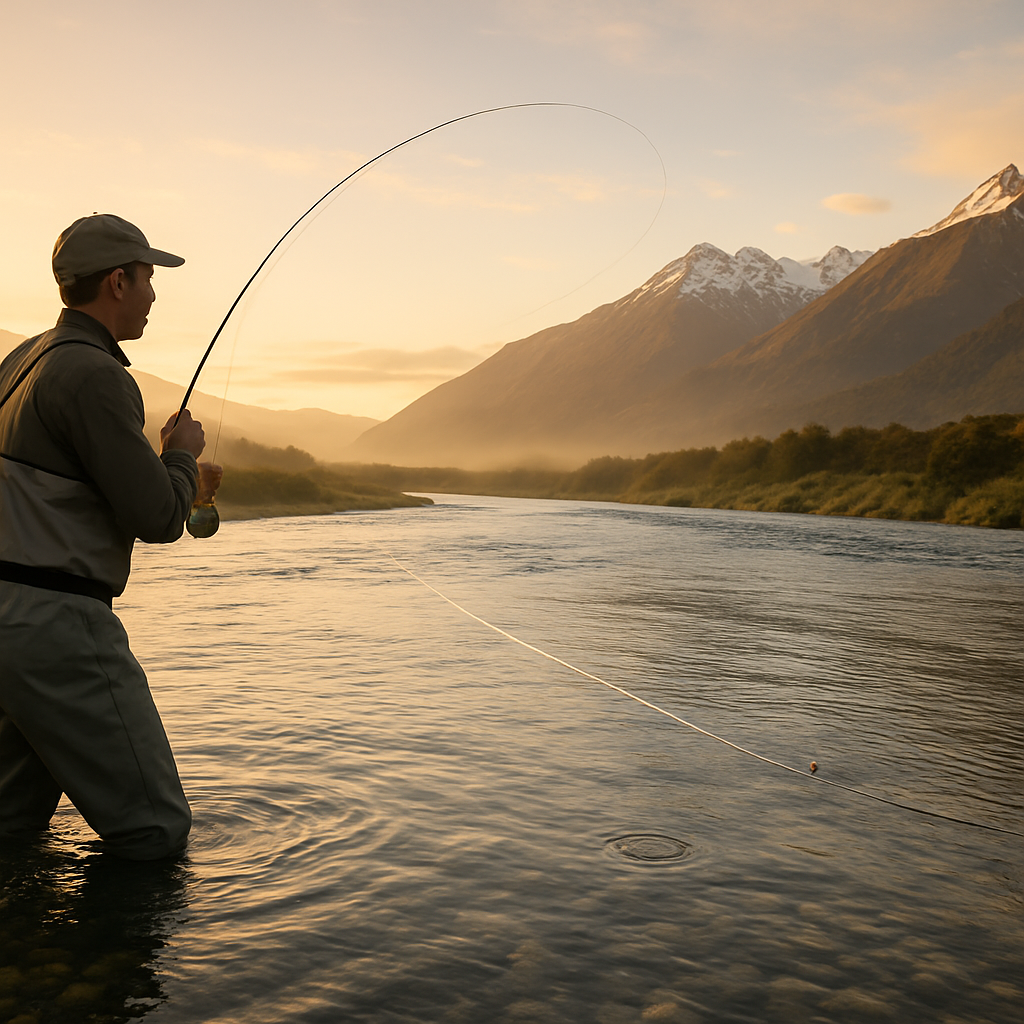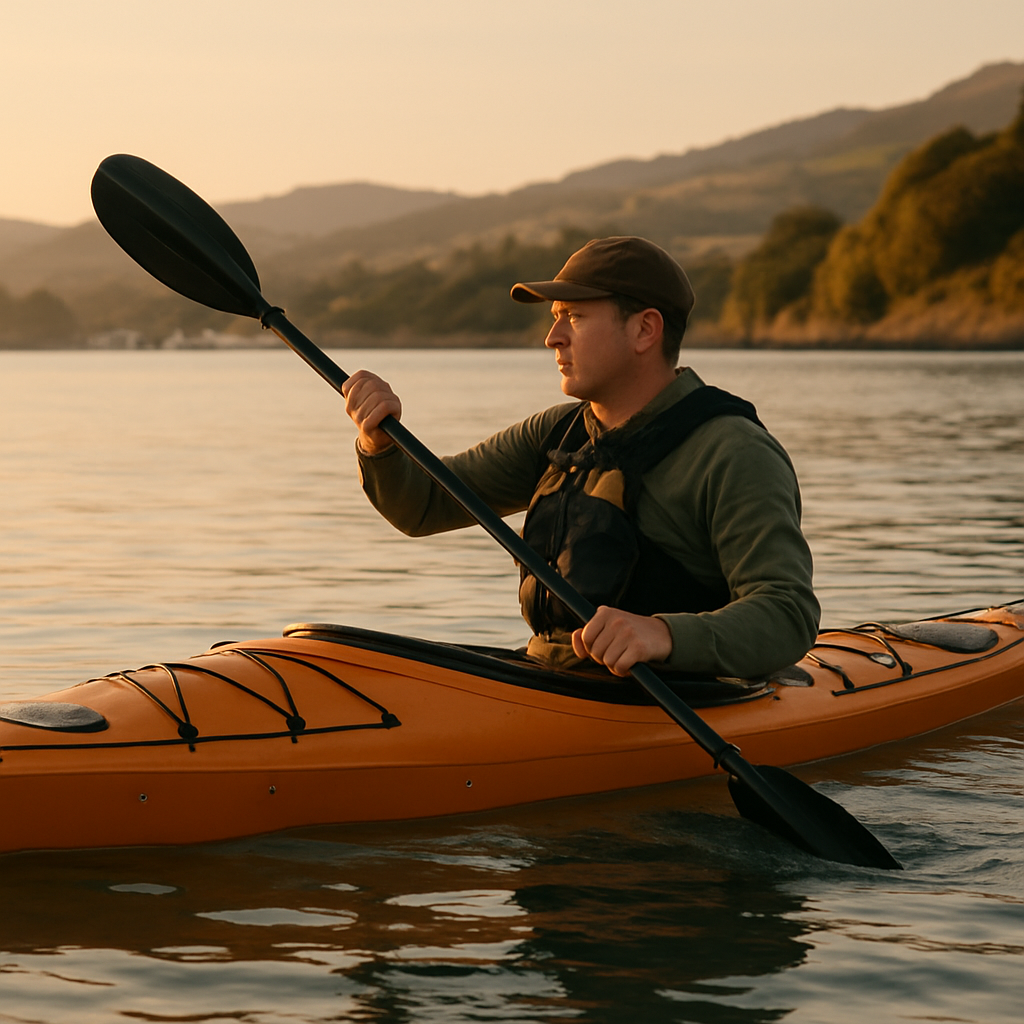
Discover Smarter, Safer Strokes: How Kayak Paddling Techniques Turn NZ Waterways into Your Playground
Attention: you love the call of the coast, the braided rivers and the glassy lake mornings of Aotearoa. Interest: But sometimes the wind kicks up, the current grabs your bow, and you wonder if you’re doing it “right.” Desire: Imagine gliding efficiently, turning on a dime, and laughing off a surprise wave because you’ve got the skills. Action: Read on — this guide gives practical, NZ‑specific kayak paddling techniques that take you from shaky beginnings to confident exploration.
Why technique matters in New Zealand
New Zealand’s waterways are stunning and, frankly, picky. Tides shift fast in estuaries, southerly blasts can appear without warning, and rivers range from mellow to braided chaos. Good kayak paddling techniques aren’t just about looking pro — they keep you safe, reduce fatigue, and help you control your craft in surf, currents and wind. Better technique also means more fun when you’re fishing, hunting or just cruising with mates.
If you want to expand your horizons and see how paddling skills translate to varied trips, take a look at our Canoeing Experiences page: it showcases different outings across the country, from mellow family-friendly lake paddles to multi-day coastal journeys. Reading about others’ trips gives practical ideas for planning, packing and pacing, and helps you match the right skills to the right environment so your next outing feels achievable and memorable.
Safety underpins all good technique, and we’ve put practical checklists together on the NZ Waterway Safety Tips page to help you prep for every paddle. That resource covers pre-trip planning, communication options, essential kit and how to read weather and tides locally — small routines that prevent big problems and let you practice skills like ferrying, bracing and rescues with confidence rather than anxiety.
To keep your itineraries fresh and inspiring, our Scenic Routes and Trails section lists classic paddles, hidden gems and coastal stretches worth a visit. Use those route ideas to pick appropriate conditions for your skill level, and to learn how different venues demand different kayak paddling techniques — what works on a sheltered lake won’t always cut it in a tidal harbour or a surf zone, so plan accordingly.
Core body position and paddle setup
Start here and you’ll save yourself hours of bad habits. The fundamentals of body position and equipment setup lay the foundation for every stroke and rescue you’ll perform.
Seat, footbraces and posture
Sit tall but relaxed. Your hips should be snug against the seat back so you can twist from the core, not slump. Feet should press against the footbraces with a slight bend in the knees — this gives you purchase for edging and bracing. If your hips slide, adjust the seat or add cushioning; sloppy hips equal sloppy strokes.
Paddle length and grip
Paddle length depends on kayak width and your height. A decent rule: touring paddles at roughly 66–70% of your height. Wider kayaks and sit‑on‑tops often need longer paddles. Hold the paddle slightly wider than shoulder width, knuckles aligned with the blade face and wrists relaxed. If you’re tense, your shoulders will remind you after ten minutes.
Torso rotation
Power comes from rotation through the torso and hips — not just your arms. Think of the stroke as a chain: feet press, hips twist, shoulders follow and hands guide. This chain protects shoulders and makes long paddles much more pleasant.
Beginner kayak paddling techniques for safe NZ adventures
New to the game? No worries. Master these basics on calm water before you head to estuaries or the coast.
Mastering the forward stroke
The forward stroke is the bread-and-butter of Kayak Paddling Techniques. Get this smooth and you’ll go farther for less effort.
How to do the forward stroke
- Place the blade in the water near your toes with the blade vertical — that’s the “catch.”
- Rotate your torso away from the planted blade and extend your top hand forward.
- Pull the blade past your hip in a smooth, controlled sweep; exit near the hip.
- Recover the blade forward, keeping it near the surface to avoid splash and drag.
Short, efficient strokes at a higher cadence beat long, lazy reaches — especially into wind. If you’re getting sore shoulders, you’re probably reaching with your arms instead of rotating the body.
Reverse stroke and stopping
To slow or stop, simply do the forward stroke in reverse — plant near the hip and push forward while rotating your torso. It’s tidy, quick and keeps you in control when tides flip or a seal decides to photobomb your line.
Sweep strokes and turning
Want to turn fast? Use a sweep stroke: plant the blade near the toes and sweep it in a wide arc toward the stern. Add a bit of edging and you’ll tighten the turn even more. Practice both left and right sweeps until they’re symmetrical.
Edging and leaning
Edging tilts the hull slightly so that turns become sharper and more responsive. Use your hip and thigh braces to roll the kayak 10°–15° instead of leaning from your shoulders. This small trick makes a massive difference in control without risking a capsize.
Low and high brace
Bracing keeps you upright when the water gets cheeky. High brace uses the power face of the blade and is for breaking waves; low brace uses the back face and helps you recover from lean or small surges. Practice both on calm water before you need them in surf.
Wet exit and basic re‑entry
Every paddler should be comfortable with a wet exit: take a deep breath, lean forward, pull the spray skirt release, and push out. For re‑entry, the paddle‑float method is a solid go-to if you can’t roll. Practice these until they feel like second nature — NZ’s water is beautiful but brisk.
Mastering the forward stroke, bracing, and turning
Once the basics are in your bones, refine them with focused drills. These dial in timing, power and balance — the three things that separate a confident paddler from someone who’s just surviving.
Effective drills to build muscle memory
- 10-on/10-off cadence: Paddle ten strokes on one side, then ten on the other. Focus on full rotation and consistent blade entry.
- Catch-and-hold: Plant the blade and hold it in place for 3–5 seconds — feel the water and engage your core.
- Edge-and-sweep drills: Edge slightly and perform sweep turns to learn how boat lean changes turning radius.
- Brace progressions: Start with shoulder-only bracing, then involve the torso and hip to build confidence in waves.
Small fixes for better endurance
If you tire quickly, shorten your stroke and increase cadence rather than reaching harder. Keep a relaxed grip, breathe deliberately and engage your legs for stability. These tiny adjustments add up on multi-hour paddles.
Advanced kayak paddling techniques for ocean, river, and lake exploration in New Zealand
Ready to move from sheltered bays to sea lanes, river eddies and long lake crossings? These advanced kayak paddling techniques will help you read water and respond effectively.
Ferrying and angle control
Ferrying is the art of crossing a current without being swept downstream. Point the bow into the flow at a controlled angle and paddle steadily to hold position. Use short corrective strokes and subtle edging to refine your angle. It’s a neat trick for crossing tidal channels and reading harbour currents.
Eddy turns and peel-outs (river technique)
Approach the eddy line with the right angle, jam a quick sweep or stern rudder to pivot, and then peel out by edging and applying forward strokes. Learn to spot foam lines, where current meets slack water — they tell you where to aim.
Surf zone and breaking wave technique
- Choose the trough for launching when possible — it lowers the impact of whitewater.
- Keep speed up through the break; punches through whitewater require commitment and timing.
- Use strong forward strokes and low braces when breaking gets messy. If you paddle surf, practice rolling and quick recoveries.
Rolling and recovery
A reliable roll is the gold standard for sea paddlers. Learn progressions: hip snap drills on deck, assisted rolls, then unassisted in deeper water with a coach or buddy. If rolling isn’t your thing, master paddle-float rescues and partner T-rescues — both invaluable in NZ surf and cold conditions.
Sculling and fine control
Sculling draws, C-strokes and subtle stern rudders let you station‑keep in wind or hold position to cast a line. These small controls are fantastic when fishing from a kayak or fishing around reef edges — you’ll look like you know what you’re doing, even if the fish disagree.
Safety and rescue focus: self-rescue and equipment checks in NZ waters
Good technique paired with solid safety routines = freedom to explore. Here’s what you absolutely need and why it matters around New Zealand.
Essential kit for coastal and river paddling
| Item | Why it matters |
|---|---|
| PFD (worn at all times) | Buoyancy and safety — choose a paddling PFD with good mobility and pockets. |
| Spraydeck / skirt | Keeps you dry and retains stability in surf and swell. |
| Towline & paddle float | Vital for self-rescue and helping buddies; practice using them. |
| VHF radio / PLB | Coastal trips demand reliable comms — a PLB is cheap peace-of-mind. |
| Bilge pump & repair kit | Bail water fast and fix gear on the go. |
| Appropriate clothing (wetsuit/drysuit) | NZ water chills fast; dress for immersion, not air temperature. |
Pre-trip checks and planning
- Check tide, swell and wind forecasts and know local tidal flows.
- Test pumps, ensure hatch seals are dry, and secure all gear.
- Tell someone your plan and ETA, and stick to pickup points that are practical from the water.
- Paddle with a buddy and practice assisted rescues regularly — they’re faster and safer than solo attempts.
Common rescue techniques
Practice these in calm, supervised conditions until they’re second nature:
- Paddle‑float self‑rescue: inflate float, secure it to paddle, use as an outrigger to re‑enter.
- T‑rescue and assisted re‑entry: your partner stabilizes while you climb back onto your kayak.
- Wet exit and emptying: swim to stern, flip, bail and re‑enter or call for help if conditions are severe.
Paddling with respect: conservation, etiquette, and best practices in NZ
You’re a guest on Aotearoa’s waterways. Paddling with respect protects wildlife and keeps access open for everyone.
Wildlife and habitat etiquette
- Keep your distance from seals, penguins and bird colonies; they have breeding seasons and fragile habitats.
- Avoid entering haul‑out zones and roosting beaches, and reduce noise when near wildlife.
- Use established access points to protect dunes and native vegetation.
Leave No Trace and biosecurity
Pack out all rubbish, secure gear and rinse your boat between waterbodies to avoid spreading pests like didymo. These are simple habits that make a huge difference for rivers and lakes.
Respect cultural sites
Many spots hold significance for Māori. Observe signage, ask locally where appropriate, and show respect for tikanga (customs). A little courtesy keeps relationships strong and routes accessible.
Training plan: a four‑week progression for confident paddlers
Want a realistic progression that builds skills without burning you out? Try this plan — aim for 2–3 sessions a week and mix technique with rescues and safety practice.
Week-by-week breakdown
- Week 1 — Basics & comfort: forward/reverse strokes, gentle turns, wet exit practice in calm water.
- Week 2 — Bracing & edging: high/low brace drills, sweep turns and edging, short ferrying practice in mild current.
- Week 3 — Advanced strokes & rescues: paddle‑float, T‑rescue with partner, small surf entry/exit and sculling draws.
- Week 4 — Rolling & scenario practice: rolling progression, navigation with a compass/phone, and longer paddles carrying light gear; rehearse pre‑trip checks.
Troubleshooting common mistakes
We all pick up quirks. Here are fixes for the usual ones that slow your progress.
- Overreaching with arms — fix it by rotating from the torso instead of extending the shoulders.
- Death grip on the paddle — relax your hands and remember you’re guiding, not wrestling the water.
- Ignoring wind angle — plan routes to reduce long beam-on exposure and practice ferrying.
- Skipping rescue practice — skills don’t stick without repetition; rehearse often, preferably with partners.
Frequently Asked Questions about Kayak Paddling Techniques
Q: What are the essential kayak paddling techniques I should learn first?
A: Start with the forward stroke, reverse stroke, sweep turns, edging and both high and low braces. These basics give you propulsion, stopping power, turning control and the ability to stay upright in chop. Practice on calm water until your torso rotation becomes automatic; once that’s nailed, everything else becomes easier and less tiring.
Q: How do I stop and turn quickly in a kayak?
A: Use the reverse stroke to slow, then combine sweep strokes with edging to turn quickly. For tighter pivots, apply a stern rudder (a paddled brake at the stern) alongside an aggressive sweep. Edging the hull into the turn shortens the turning radius; practice both sides until they feel balanced and natural.
Q: What should I wear for kayaking in New Zealand?
A: Dress for immersion, not for the air. Wetsuits, drysuits or layered thermal gear (merino or synthetic) are common. Always carry a windproof top, spare dry clothes in a dry bag, neoprene booties and gloves when it’s chilly. Even in summer, NZ water can sap your heat quickly if you end up in it.
Q: How can I practice self-rescue and re-entry techniques effectively?
A: Learn and rehearse paddle‑float self‑rescue, T‑rescue with a partner and wet exit procedures in calm, supervised conditions. Start with dry‑land drills, progress to assisted water drills, then to unassisted practice. Repetition builds confidence — and confidence is what keeps you calm during a real capsize.
Q: Do I need a spray skirt for coastal paddling?
A: If you paddle a sit‑inside sea kayak on the coast, yes — a spray skirt helps keep the cockpit dry and assists with bracing and rolling. For sit‑on‑tops, you’ll rely on leashes and different recovery methods. Choose equipment matched to your craft and local conditions.
Q: How long does it take to learn a reliable roll?
A: It varies with coaching and practice. With focused instruction and regular drills, many paddlers achieve a dependable roll within weeks to a few months. Key factors: hip snap technique, correct paddle brace, repetitive practice and a supportive learning environment — buddy or coach present.
Q: What safety gear is essential for coastal vs. inland paddling?
A: Inland lake paddles often need a PFD, whistle and suitable clothing. Coastal outings require additional gear: VHF radio or PLB, towline, paddle float, bilge pump, pumpable spare and navigation tools. Always carry a basic repair kit and ensure hatch seals and floatation are checked before launching.
Q: How do I handle wind and tidal currents on a route?
A: Plan routes considering wind direction and tidal timing. Use ferrying techniques to cross currents, angle the bow into flow and use short corrective strokes. Aim to avoid long beam-on wind legs; if unavoidable, use edging and sculling draws to maintain stability. Local knowledge is gold — chat to locals or check trusted resources before you go.
Q: Can I fish or hunt from a kayak safely?
A: Yes, but balance and rigging are key. Secure gear low and centred, use deck or hatch storage to keep weight stable, and practice casting from stationary positions. Learn station‑keeping techniques like sculling draws so you can hold position without drifting. Safety: always wear your PFD and plan for easy re‑entry if you go for an unexpected swim.
Q: What conservation and etiquette practices should I follow while paddling in NZ?
A: Respect wildlife by keeping distance from colonies, avoid sensitive shorelines, and use official access points to minimise habitat damage. Follow Leave No Trace, rinse gear between waterbodies to prevent pest spread, and respect areas with cultural significance. These small actions maintain access and protect the places you love to paddle.
Q: Where can I find good routes and local guidance for NZ paddling?
A: Look for curated route lists, local clubs and guided operators — they’re invaluable for learning local tides, surf breaks and access points. Our Scenic Routes and Trails hub is a great starting point to match routes to your skill level and discover scenic, safer options across the country.
Q: How should I prepare for a first multi-day kayak trip?
A: Start with a trial day trip to test kit and packing, then step to overnight trips close to your launch point. Pack light, balance weight in the kayak, practice loading and emergency procedures, and ensure you can handle basic rescues. Share your plan with someone ashore and carry reliable comms (VHF/PLB) for coastal trips.
Final checklist before you go
- Plan route, check tide, swell and wind, and leave an ETA with someone ashore.
- Wear your PFD and appropriate thermal protection for the water temperature.
- Test bilge pump, VHF/PLB, towlines and hatch seals.
- Practice at least one reliable self‑rescue method and rehearse assisted rescues with partners.
- Respect wildlife, access points and cultural sites — paddle like the place matters, because it does.
Kayak paddling techniques are a mix of small adjustments, smart planning and regular practice. If you invest in solid fundamentals — body position, rotation, bracing and rescue skills — you’ll unlock more of what New Zealand’s waterways offer. Go explore, have a laugh when the sea throws you a curveball, and keep learning. See you out there on the water — safe, efficient, and ready for a good adventure.