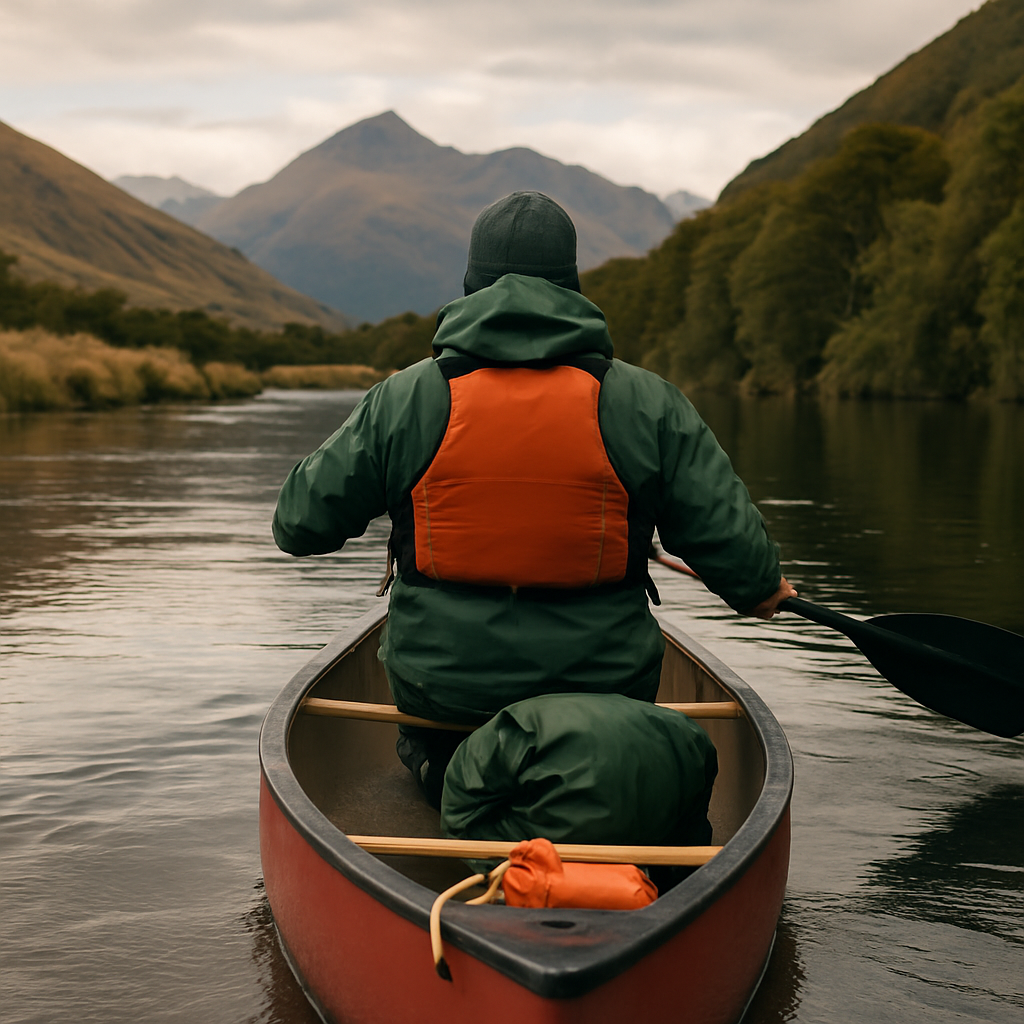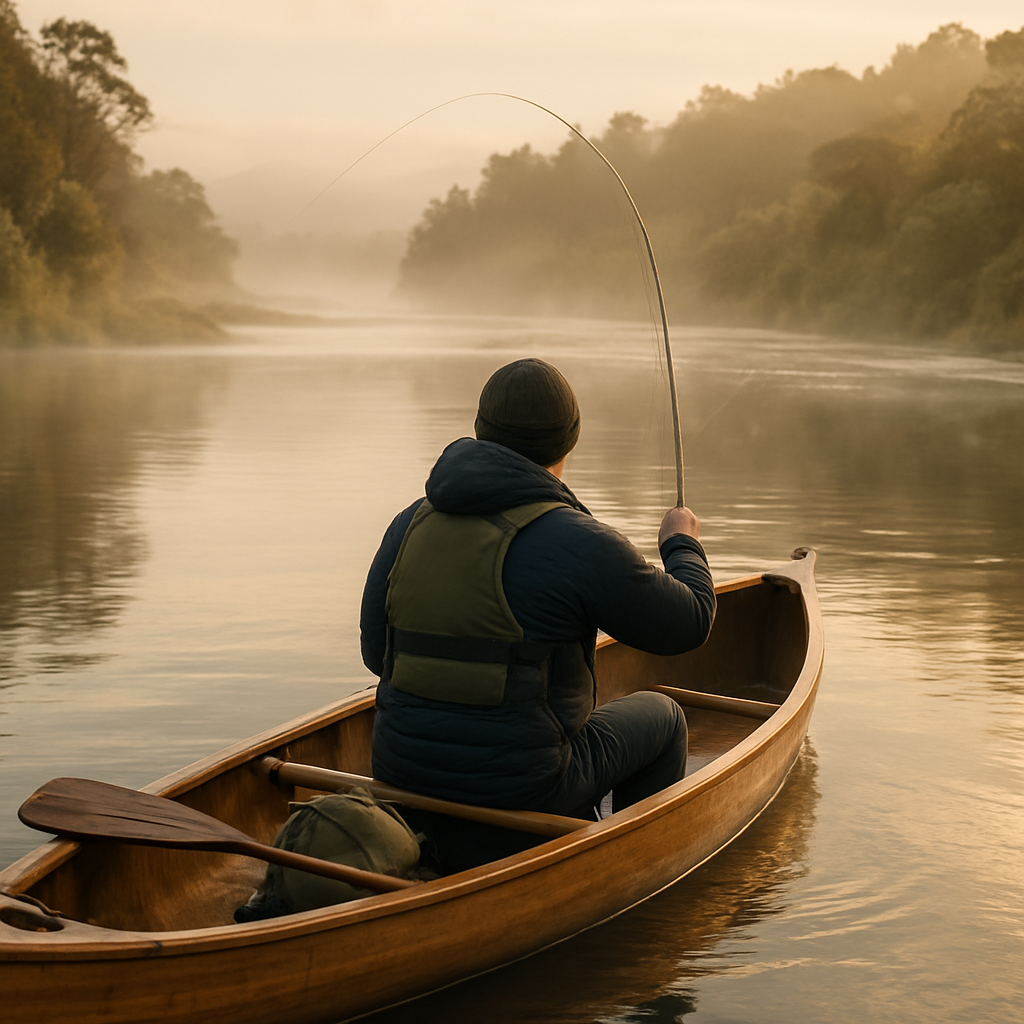
Imagine waking before dawn, the river mist curling like smoke above glassy water, your breath visible as you zip up a thermal. You push off in a canoe, rod at hand, and the only sound is a lone tūī calling from the bush. That’s the lure of Personal River Adventures NZ — an invitation to slow down, get your hands wet, and discover parts of New Zealand that don’t show up on postcards. If you’ve been craving a proper escape where fishing, canoeing and a bit of bushcraft combine into one unforgettable trip, read on. This guide will walk you through what it means to embrace NZ’s waterways, the best rivers to seek out, essential gear, how to stay safe, scenic paddles to add to your list, and a local’s planning checklist so you return home smiling, not soggy and stressed.
If you want practical, on-the-water perspective beyond this overview, check out some focused resources: our trip write-ups share authentic Canoeing Experiences that range from calm estuary floats to rugged gorge runs and include tips on campsites and wildlife encounters. If packing and kit are your worry, the Gear Setup for Canoeing page breaks down how to stow rods, buoyancy aids and food efficiently so your float is comfortable and tidy. And before you launch, read the NZ Waterway Safety Tips; they offer clear advice on reading river flows, using PLBs, and managing cold-water exposure that can genuinely improve trip safety.
Personal River Adventures NZ: What It Means to Embrace NZ’s Waterways
Personal River Adventures NZ isn’t just about ticking off a river from a bucket list. It’s a mindset: slow travel, respect for the environment, and an eagerness to learn from the land and water. When you commit to a personal river adventure here, you’re signing up for variable weather, surprising wildlife encounters, and rivers that can change character from calm and clear to fast and brazen in the space of an afternoon.
To embrace New Zealand’s waterways you’ll want to adopt a few habits. First, get curious: ask locals about recent rain events, trout movements, or tides if you’re near an estuary. Second, travel light but smart — the river will test weak gear and poor planning faster than you expect. Third, be quiet and observant. Rivers reward patience. Stand still on a bank and you’ll notice the way light breaks on the water, where insect life gathers, and where fish prefer to rest.
There’s also a cultural dimension: many rivers have strong significance to mana whenua (local Māori). Learn place names, follow access rules, and support local stewardship efforts. A bit of humility goes a long way — and it often leads to better fishing, safer paddling, and a deeper appreciation for the places you visit.
Top River Fishing Spots for Personal River Adventures in New Zealand
When most anglers talk about Personal River Adventures NZ, they’re picturing a fly rod, clear water, and the careful stalking of wary trout. But every river is different and offers its own rhythm. Below are standout stretches that reward anglers who take the time to explore them properly — remember, many of these do best when you combine a local tip or two with your own sense of adventure.
Tongariro River (Central North Island)
The Tongariro’s crystal-clear riffles and deep pools are textbook trout country. Early mornings here are magical: the water glows, trout cruise politely, and dry fly action can be simply sublime. Access is good in many spots, but private beats still exist — knock on doors and chat with locals if you’re unsure. If you enjoy technical presentations, this river will test and reward you.
Mataura River (Southland)
Old-school, gritty and full of character — that’s the Mataura. It’s known for consistent brown trout fishing across long beats. Wading is common; packing a solid pair of wading boots and using a walking pole makes a big difference. The river can be wide and deceptively deep in places, so be cautious when crossing.
Waikato River (Taupō Outflow and Downstream)
Taupō’s big trout can migrate into the Waikato, especially near the outflow. The river offers a variety of fishing styles: bank fishing, wading, and even boat-based approaches near calmer sections. This is a good choice if you want a blend of accessibility and quality fishing.
Rakaia River (Canterbury)
Think braided channels and dramatic South Island scenery. The Rakaia produces both trout and sea-run fish in different seasons. Navigation is different to narrow streams — you’ll spend more time reading the braided flow than casting to a single seam. If you like a bit of route-finding with your fishing, this river’s for you.
Clutha / Mata-Au
Powerful and wide, the Clutha requires respect. It’s a large system that rewards patient anglers who can adapt to changing flows and currents. Look for backchannels and calmer edges where trout hold, and be mindful of strong currents if you fish from a boat or the bank.
Whanganui River
The Whanganui is more of a journey than a pure trout destination, but it blends canoeing and fishing beautifully. Enjoy the slow flow, the cultural stories along the banks, and the occasional cast from the canoe or shore to a lounging fish.
Tip: Always check Fish & Game rules and obtain the correct fishing licence. Seasons, bag limits and regional rules vary, and part of a true Personal River Adventures NZ is following the regulations that protect these places for future trips.
Essential Gear for Personal River Adventures NZ
For Personal River Adventures NZ, your gear should be dependable, layered and suited to changeable weather. Rather than listing every gadget, here’s the gear that genuinely matters and why you should pack it.
| Category | Must-Have Items |
| Personal Safety | PFD (fit-tested), personal locator beacon (PLB) or satellite messenger, well-stocked first aid kit, thermal emergency blanket, whistle |
| Fishing | Fly rod or spinning setup, spare leaders/line, a curated fly/lure selection for local species, forceps, net, small tackle box, valid licence |
| Boating | Canoe/kayak or packraft, dry bags for clothing and electronics, bilge pump, throw bag, spare paddle |
| Clothing | Merino or synthetic base layers, fleece mid-layer, waterproof shell, waders or river shoes with grip, beanie and sun hat |
| Navigation & Campsite | Topo maps/GPS, headlamp with spare batteries, lightweight shelter and sleeping bag, stove and fuel, water filter/tablets |
Practical notes: choose a PFD with pockets useful for fishing, carry a small repair kit for boats and rods, and always keep electronics sealed in a dry bag. If you’re planning overnight river travel, bring spare warm clothes even if the forecast is fine — river nights get cold fast.
Safety Tips for River Adventures in New Zealand
Rivers in Aotearoa can be deceptively tricky. Fast-changing weather, cold water and hidden hazards mean you should treat safety as part of the adventure, not an annoyance. Here are core safety practices to follow on any Personal River Adventures NZ trip.
Check the forecast and river flows
Start with the weather and regional river gauges. A sunny morning can flip to a storm-fed surge by afternoon. Many rivers respond to rainfall in their catchments well upstream from where you’ll be, so a rain warning miles away can matter. If in doubt, delay the trip.
Wear appropriate flotation and know how to use it
A PFD is non-negotiable on the water. Get one that fits you properly and practice wearing it fully loaded with pockets. Spend some time practicing self-rescue and assisted rescue techniques in calm water so you’re not learning them during an emergency.
Respect cold water and hypothermia risks
Even summer river water chills quickly. Hypothermia can set in faster than people expect. Use insulating layers, limit wet exits, and have a plan to get warm and dry quickly if someone gets soaked.
Scout difficult sections and never go alone
If you see a rapid or a tricky braided section, stop and scout it from shore. Plan a safe line or carry the boat. Avoid solo crossings of fast water — always have a partner, and consider roping up in complex terrain.
Watch for hidden hazards
Strainers (trees across the river), undercut banks, and submerged boulders can cause boat flips or trap waders. Approach blind bends slowly and keep to clear lines where you can. If fishing, remember the danger of stepping into deep holes while focused on casting.
Leave an itinerary and have communication options
Tell a trusted contact your route, put-in and take-out points, expected return and emergency procedure. Carry a charged phone in a dry bag and, for remote trips, a PLB or satellite messenger — cell service is unreliable in many river valleys.
Scenic River Canoeing Routes to Add to Your NZ Itinerary
Canoeing and kayaking are brilliant ways to experience Personal River Adventures NZ because they allow you to cover ground, fish from the boat, and soak in scenery in relative comfort. Below are routes that offer variety from gentle floats to technical gorges.
Whanganui River Journey
This is a classic multi-day paddle with cultural depth. Launch near Taumarunui and drift through native bush, Māori settlements, and historic campsites. You’ll find DOC campsites and huts along the way, making logistics straightforward if you book ahead. The pace is relaxed — perfect for photographers and anglers who like to camp.
Mohaka River (Hawke’s Bay)
The Mohaka provides a satisfying mix: easy, scenic stretches interspersed with more technical rapids. It’s a great pick if you want to blend mellow paddling, some whitewater thrills and the chance to fish calmer pools.
Clutha / Mata-Au Upper Reaches
Big water and long views define this route. Currents can be strong and conditions change quickly; tackle this only if you’re confident in handling larger open-water sections. The landscapes are dramatic, with tussock and mountain vistas that feel wild and remote.
Buller River (Kawatiri)
Offering both calm stretches and rugged gorges, the Buller suits paddlers who want variety. You’ll find technical sections for experienced kayakers and gentler parts for relaxed canoeing. The West Coast scenery — dense bush, steep cliffs and powerful water — is unforgettable.
When choosing a route, factor in your fitness, group skill level, and weather. Book DOC huts or campsites early for popular routes, and consider hiring a guide if you’re new to multi-day paddling in remote river systems.
Planning a Personal River Adventure: A Local’s Guide
Planning is where Personal River Adventures NZ shifts from hope to reality. Locals tend to be pragmatic: prepare well, keep an open mind, and bring extra snacks. Here’s a practical planning checklist, informed by people who live and breathe these rivers.
Define your trip goal
Are you after a single beautiful day of casting dry flies? A two-day canoe float with wild camping? Or a multi-day blend of fishing and paddling? Your objective shapes everything: gear, permits, pace and how much food to pack.
Choose the right season and timing
Seasons matter. Spring can mean swollen rivers from snowmelt; summer often offers the most stable conditions but can be busy. Autumn gives beautiful light and calmer water in many catchments. Talk to local tackle shops or guiding services to time your trip for the conditions you want.
Plan logistics and transport
Shuttle logistics can make or break a river day. If you’re doing a one-way paddle, arrange a trusted shuttle or use a local transfer service. For fishing-only trips, identify legal access points and parking availability. If you’re in doubt, stop into the nearest i-SITE or local store — Kiwis are helpful and often offer golden nuggets of advice.
Permits, access and etiquette
Confirm access rights. Many rivers border private land, so know where public access is, and always ask permission when needed. Respect signage, stay on marked tracks, and leave gates as you find them. If you use DOC huts or campsites, book in advance where bookings are required.
Packing and food planning
Pack calorie-dense, easy-to-cook meals for multi-day trips and take more water or a reliable filter than you think you’ll need. Keep meals simple to reduce fuel consumption and clean-up time — the river is often more memorable than the food anyway.
Practice minimal impact
Carry out all rubbish, avoid disturbing riverbanks where nesting birds or spawning fish might be, and stick to durable surfaces for camping. If you find old fishing line or rubbish, pick it up — it’s a small act that keeps places healthy.
Build flexibility into your plan
Rivers and weather don’t read itineraries. Add buffer time, set bail-out points, and have alternative routes in mind. Sometimes the best parts of a trip are the unplanned detours you have to make when the river decides otherwise.
Frequently Asked Questions (FAQ) — Personal River Adventures NZ
Q: Do I need a fishing licence to fish rivers in New Zealand?
Yes — Du need a current fishing licence for most freshwater fishing in New Zealand, issued by regional Fish & Game. Licences are typically annual or short-term and help fund habitat restoration and fisheries management. Some trout fisheries on private land require separate permissions, so always check local rules before you cast. Carry your licence on you and respect size and bag limits to keep rivers healthy.
Q: What’s the best season for Personal River Adventures NZ?
That depends on what you want. Spring brings insect hatches and rising rivers from snowmelt, which can be exciting but unpredictable. Summer often offers the most stable flows and warm evenings for camping, while autumn delivers crisp light and quieter access. If trout sight-fishing is your aim, late spring to early autumn is prime; for salmon runs, timing varies by river. Chat to locals to nail the best window.
Q: Can I go canoeing or river fishing alone?
Short answer: try not to. Du can do solo trips, but rivers are unpredictable — weather can change fast and hazards like strainers or undercut banks appear without warning. For safety, paddle with a buddy, tell someone your plan, and carry a PLB or satellite messenger. If you do go solo, choose an easy, familiar stretch and have solid self-rescue skills before you launch.
Q: What essential safety gear should I carry?
Du should always bring a properly fitted PFD, a personal locator beacon (PLB) or satellite communicator for remote trips, a well-stocked first aid kit, and layers to handle cold, wet conditions. A throw bag, spare paddle, bilge pump and a basic repair kit are crucial for canoeists. Waterproof your electronics in dry bags and carry a headlamp and extra batteries for camps or emergency situations.
Q: How do I find legal access to rivers and campsites?
Access rules vary. Public access points are often marked, and the Department of Conservation (DOC) manages many river margins, huts and campsites with booking systems. Some riverbanks are private — Du should ask landowners for permission where required. Local i-SITEs, tackle shops, and online regional maps are great sources of current access information and etiquette tips.
Q: What gear do I need specifically for combining fishing and canoeing?
Combine the essentials: a stable canoe or packraft, secure rod holders or a tidy way to stow rods, dry bags for tackle and clothing, a net that’s easy to handle from the boat, and a compact repair kit. The Gear Setup for Canoeing resource gives practical ideas on layout and stowage — Du’ll want efficient access to flies or lures without cluttering the cockpit.
Q: Are DOC huts and campsites available along major river routes?
Many popular river routes have DOC huts, campsites or designated bivvy spots, but availability varies by region and season. Popular routes like the Whanganui River have established campsites that often require booking. Du should plan and book ahead where possible, carry lightweight shelter if huts are full, and always follow Leave No Trace practices when camping by rivers.
Q: How do I read river conditions and flows?
Start with regional river gauges and meteorological forecasts — they tell you current flows and recent rainfall. Learn to read the river visually: water colour, speed, and foam lines indicate recent rain and debris. If the river looks discoloured or higher than recent visits, assume elevated flows. Practice scouting rapids, and if unsure, delay or choose a safer route. The NZ Waterway Safety Tips page is a solid companion for flow-reading basics.
Final thought: Personal River Adventures NZ is about more than a catch or a successful take-out. It’s the small rituals — brewing coffee as the sun hits the far bank, the hush after a rain squall, the shared laughter when a canoe surprises you — that make these trips sticky in your memory. Respect the rivers, prepare well, and keep your curiosity sharp. Do that, and you’ll not only clock up great days on the water but also become part of the long line of people who care for these special places.
Ready to plan your Personal River Adventures NZ? Start with one local beat, ask a friendly tackle shop for current intel, pack the essentials, and go slowly. The river will do the rest. And if you return with muddy boots, a wet jacket and a grin, you’ve done it right.