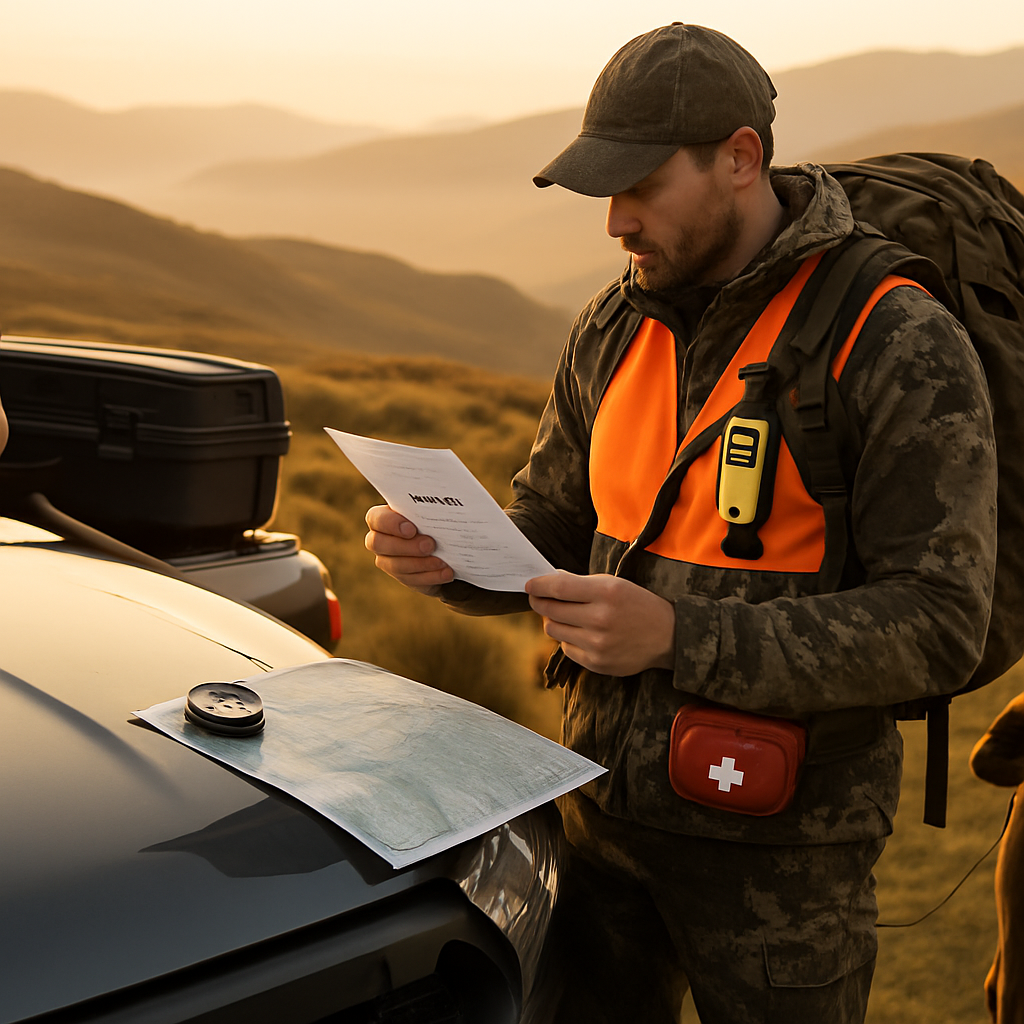
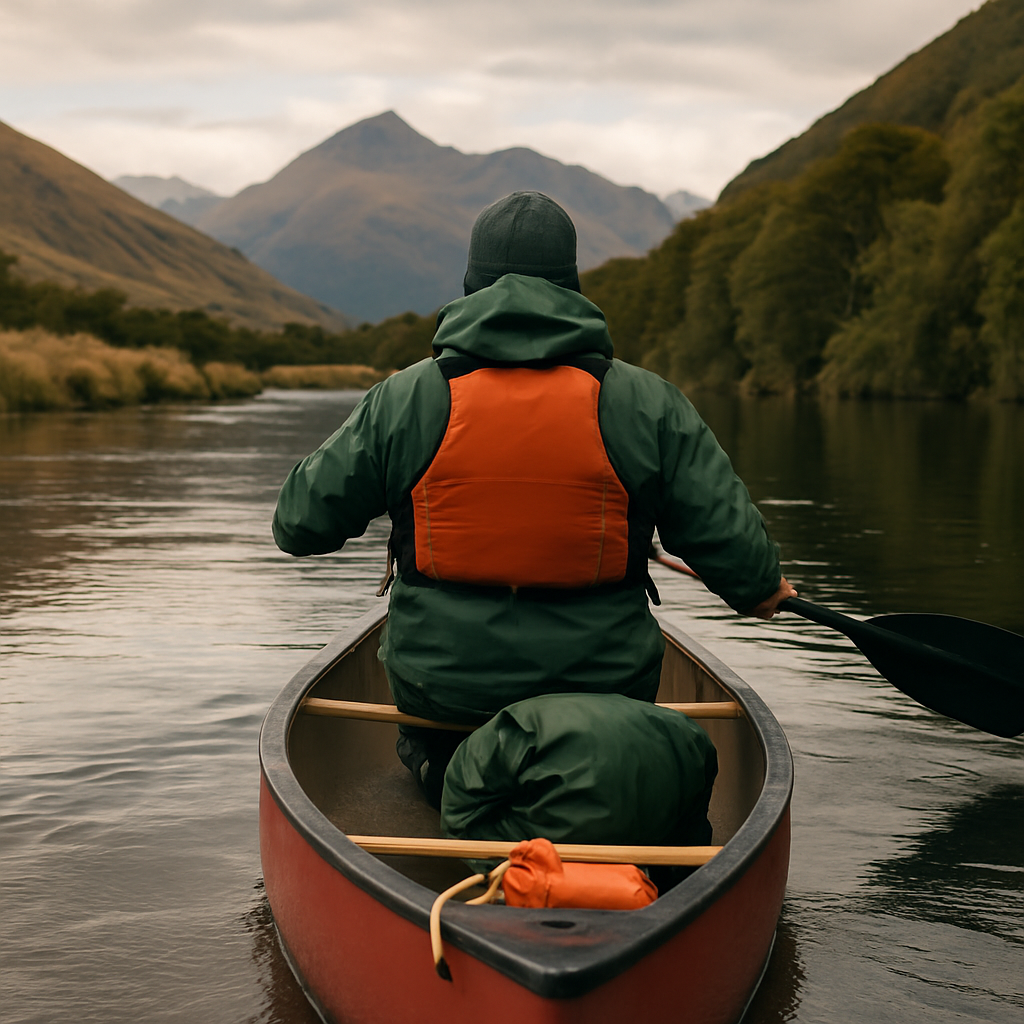
Imagine gliding across a glassy South Island lake at dawn, mist rising off the water, rod in one hand and a well-balanced paddle in the other. Your kit is streamlined, everything stowed where Du expect it, and Du feel confident—because your Gear Setup for Canoeing was planned with purpose. Whether Du are heading out for a weekend explore or a week-long hunting-and-fishing expedition, the right gear setup changes the trip from stressful to seamless. Read on for practical, New Zealand-specific advice that helps Du pack smarter, paddle safer, and enjoy more.
Gear Setup for Canoeing: Essential Equipment for New Zealand’s Waterways
New Zealand’s waterways vary wildly: braided rivers that can surprise Du, alpine tarns that bite cold, tidal estuaries with shifting sandbars, and long fiords where sea spray is part of the deal. A one-size-fits-all mindset won’t cut it. Your Gear Setup for Canoeing should start with the environment in mind and then layer in redundancy for safety and comfort. Here’s the high-level list that serves as a foundation for nearly every trip.
To get real-world context for planning your Gear Setup for Canoeing, check out firsthand trip write-ups and route notes that show gear in action and offer honest lessons learned. You’ll find detailed narratives, gear lists, and practical tips at Canoeing Experiences, which helps Du visualise conditions and gear choices before Du leave. For more intimate river stories and practical advice about tricky runs, explore Personal River Adventures NZ, and if Du are scouting potential outings, the curated guides in Scenic Routes and Trails highlight spectacular day routes and multi-day options across Aotearoa so Du can match kit to route.
Core items to never leave behind
- Reliably suited canoe (or tandem if Du are not solo) with a spare paddle: boats for tramping-style loads need different specs than day-tour hulls.
- Personal Flotation Devices (PFDs) that fit each paddler correctly and allow full paddling motion.
- Bilge pump, sponge, and basic sealing materials: once Du swamp, these are the immediate difference between a minor delay and a full emergency.
- Throw bag or rescue rope—particularly essential in river or tidal conditions.
- Comprehensive first aid kit with hypothermia and wound-care components, plus the skills to use them.
- Navigation tools: waterproof maps, compass, and at least one reliable GPS option.
- Water and water purification—many backcountry feeds look pristine but can carry contaminants.
- Stove, fuel, lightweight shelter (tarp or tent), and a sleeping system appropriate to local nighttime temperatures.
- Lighting (headlamp + spare batteries), signalling gear, and a whistle for close-quarters communication.
- Biosecurity cleaning kit to avoid spreading didymo and other aquatic pests between catchments.
These items form the backbone of your Gear Setup for Canoeing. If Du are fishing or hunting, layer specialised gear on top but don’t skimp on the basics—most incidents on water happen because something simple was missing or badly stowed.
Selecting PFDs, Paddles, Dry Bags, and Storage Solutions for a New Zealand Canoeing Adventure
Good gear starts with thoughtful choices: the right PFD keeps Du alive, the right paddle keeps Du moving, and clever storage keeps everything usable when Du need it. Let’s break those choices down and make them practical for Kiwi conditions.
Personal Flotation Devices (PFDs): fit, freedom, features
Don’t buy a PFD because it’s cheap or flashy. Try it on with the clothing Du’ll paddle in—layers, maybe a puffy on a cold morning—and check how it rides when Du raise your arms. Key points:
- Comfort over bells: Du will wear it for hours. If it chafes, Du’ll be tempted to loosen or remove it.
- Pockets are handy but can snag; shallow, secure pockets are best for a whistle, small knife, and a handheld VHF or PLB if Du keep one there.
- For fishing: look for a PFD with larger front pockets and attachment points. It’s quicker to access tackle than to wrestle a dry bag mid-cast.
- Ensure buoyancy rating matches your weight and the likely clothing loads (wetsuit, boots, etc.).
Paddles: choosing by trip and paddler
Paddle selection affects fatigue and feel more than most people expect. Two quick rules: test before committing, and match paddle length to canoe width plus your height. Other considerations:
- Materials: carbon and fiberglass for lighter weight (easier on long trips); aluminium for durability and value.
- Blade shape: low-angle narrow blades are kinder on shoulders over long distances; high-angle wider blades give power in short bursts—useful on windy coastal legs or when breaking through chop.
- Feathered blades help with wind but are more fiddly; if Du paddle in gusty conditions, they reward the extra attention.
Dry bags and onboard storage solutions
Keeping things dry doesn’t just protect your kit; it speeds up camp setup and reduces stress. Think layered waterproofing:
- Individual dry sacks for clothes and sleeping gear, placed inside a larger dry bag for redundancy.
- Rigid waterproof boxes for fragile items like cameras, fuel bottles, and first aid supplies—these resist crushing and help with stacking.
- Floatation airbags for bow and stern: they preserve buoyancy if the canoe fills, and they help with balance.
- Deck rigging and bungee nets let Du store frequently used items for quick access—just ensure they’re tethered.
| Storage Item | Why it matters |
|---|---|
| Large dry bag (40–60L) | Primary storage for sleeping system—keeps insulation dry and effective. |
| Waterproof box (medium) | Safeguards electronics and fragile gear, resists impact during rough launches. |
| Small dry sacks (5–10L) | Organise clothes, cooking kit, and first aid for quick retrieval. |
Light and Safe: A Minimalist Gear Setup for Weekend Canoeing in New Zealand
Sometimes Du want to get away for a quick blast: two nights, a handful of kilometers, and some fishing off the bow. Minimalist doesn’t mean reckless. It means choosing multipurpose items and realistic safety margins. Here’s a practiced minimalist kit that keeps Du light and safe.
Minimalist weekend kit
- PFD, short spare paddle, and bilge sponge.
- One 30–40L dry bag with a lightweight sleeping quilt, compact tarp, and inflatable sleeping mat.
- Small canister stove or alcohol stove, minimal cookware, and a single mug/pot that nests.
- Headlamp, spare batteries, small first aid kit, and a multi-tool.
- Water purification (tablets or compact filter straw) and food for two days plus one emergency meal.
- Map, compass, or offline GPS on your phone (with waterproof case) and a charged power bank.
Pro tip: for overnight trips, keep the weight low and centered in the canoe to preserve trim. Place the dry bag under the thwart or close to the centre. Store food in an easily accessible place so Du can make a quick hot drink without disturbing the whole load.
Packing tips that save time
- Use lighter fabrics—merino base layers and synthetic quilts—for warmth-to-weight efficiency.
- Keep a small, dedicated repair kit: a strip of duct tape, a couple of cordage lengths, and a simple paddle splint.
- Practice loading once at home to get balance right; when Du are tired, Du’ll thank yourself for the muscle memory.
Weather-Ready Gear: Layers, Dry Gear, and Emergency Kits for NZ Canoe Trips
Weather in New Zealand is famously changeable. The right layering system plus emergency essentials keeps Du safe when a blue-sky launch turns into a squally, cold slog. Your Gear Setup for Canoeing must include predictable weather protection and contingency plans.
Layering for paddling
Think of layers as adaptable gear that responds to your activity level and the weather. Avoid cotton—bring materials that dry quickly and retain warmth when damp.
- Base layer: merino or synthetic for moisture control.
- Insulating mid-layer: fleece or light synthetic jacket while paddling; a compact down or synthetic puffy for breaks and camp.
- Outer shell: breathable waterproof jacket and pants. Seams and zips should be robust—cheap shells leak at the worst moment.
Emergency kit essentials
- Personal locator beacon (PLB) or satellite messenger—register it and know how to use it.
- Emergency shelter: lightweight bivy or a robust space blanket plus a small stove for warmth.
- Fire-starting kit stored in waterproof container and extra clothing kept dry for sheltering in place.
- Signalling gear: bright clothing, mirror, flare or VDS-approved distress signals when on the coast.
Check tide charts for coastal routes and river flow reports for rivers—both change quickly after rain. File a float plan with someone who’ll notice if Du don’t return. This basic communication habit is one of the smartest parts of any Gear Setup for Canoeing.
Tech-Driven Canoeing Gear: GPS, Cameras, and Waterproof Accessories for NZ Expeditions
Technology makes longer adventures easier and safer—and it also captures memories Du’ll want to re-live. The key is not to rely on tech alone; instead, integrate it smartly into your overall Gear Setup for Canoeing.
Navigation and communication tech
- Waterproof GPS with preloaded topographic maps; phones are handy but can fail in wet, cold conditions.
- Satellite communicators (e.g., Garmin inReach or similar) for two-way messaging and SOS functionality outside mobile coverage.
- Marine VHF radio for coastal trips—valuable for boat-heavy channels or when contacting harbour authorities.
Photography and power management
If Du are taking cameras, store them in rigid waterproof cases and keep spare batteries warm. Batteries hate cold water; keep them close to your body when not in use. Power strategies:
- High-capacity waterproof power bank for charging phones and GPS.
- Compact solar panel for multi-day trips to top up charge during sunny spells.
- Keep cables organised and labelled so Du’re not digging through damp bags when the light’s perfect.
- Waterproof GPS and/or phone with offline maps
- Satellite messenger (registered)
- Action camera with mount + waterproof case
- Waterproof power bank + spare cables
Safety First: Packing and Protecting Your Gear for Canoeing with Fishing and Hunting in New Zealand
Trips that combine canoeing with fishing or hunting demand careful handling of extra equipment and respect for legal and environmental responsibilities. Your Gear Setup for Canoeing should treat safety and hygiene as non-negotiable priorities.
Packing strategy and weight distribution
How Du pack affects stability and safety. Heavy items should sit low and near the canoe’s centreline—this keeps the canoe responsive and less likely to pitch or broach. Frequently accessed items go forward within reach.
- Center heavy items (batteries, fuel) near the middle thwart.
- Load dry bags to balance port and starboard weight.
- Secure everything with straps and bungees; loose kit becomes hazardous fast.
Fishing-specific considerations
- Rod holders or deck straps prevent rods from becoming trip hazards or getting lost.
- Insulated fish boxes with ice or cold packs keep your catch fresh in warm weather.
- Waterproof boxes for lines, hooks, licences, and pliers—so Du don’t lose the little things that ruin a good day.
Hunting, game care, and legal responsibilities
If hunting is on the agenda, follow firearm safety: unloaded, action open, and stored securely when not in use. Respect regional rules, permits, and seasonal restrictions—DOC and local authorities have strict guidance on handling carcasses and disposing of remains to protect native wildlife and other users.
- Game bags and meat storage solutions keep meat clean and easy to transport.
- Do not field-dress near water margins to avoid contamination; know local rules about carrying out waste.
- Label and secure licences and permits where they are accessible for checks.
Protecting your gear from salt, mud, and mould
- Rinse and dry gear thoroughly after saltwater trips. Salt accelerates corrosion and damage.
- Air out wet clothing and sleeping gear as soon as possible; a damp sleeping bag wrecks morale fast.
- Use corrosion protection on metal fittings and treat leather or wooden handles according to manufacturer advice.
Checklist and Final Tips
Before Du push off, run through this quick checklist to ensure your Gear Setup for Canoeing is functional and safe. A last-minute look-over saves time and prevents avoidable hassles on the water.
- Check the forecast, tide tables (if coastal), and river flow advisories.
- File a float plan or tell someone your route and expected return time.
- Confirm PFD fit and that everyone knows where spare paddles, pump, and throw bag live.
- Test electronics and ensure power banks are charged.
- Secure all gear with straps and bungees; run a final tug on knots and lashings.
- Have permits, licences, and DOC bookings organised and accessible.
Frequently Asked Questions
Q: What PFD should Du choose for multi-day canoe trips?
Du should pick a PFD that fits comfortably with the layers Du plan to wear, offers enough buoyancy for your weight and clothing, and allows full paddling motion. Look for secure closures, good arm mobility, and pockets or attachment points for small essentials. Try it on before buying and simulate paddling movements.
Q: Can Du rely on a smartphone for navigation on remote NZ waterways?
Phones are useful, but Du shouldn’t rely on them alone. Batteries drain faster in cold and wet conditions, and signal coverage is patchy in remote areas. Combine a phone with offline maps, a waterproof GPS device, and a paper map or compass as backup. Bring spare power banks and keep electronics in waterproof cases.
Q: Do Du need permits or licences for fishing and hunting while canoeing?
Yes—fishing and hunting in New Zealand usually require licences and adherence to regional rules. Du must carry relevant permits, follow bag and size limits, and respect seasonal restrictions. Check DOC and regional council rules well before the trip and carry printed or digital proof of permits.
Q: What’s the difference between a PLB and a satellite messenger, and which should Du carry?
A PLB (Personal Locator Beacon) sends a one-way emergency signal to search and rescue; a satellite messenger (like inReach) provides two-way text messaging and tracking plus an SOS function. Du should consider a satellite messenger if Du want to stay in touch and send status updates; a PLB is a reliable option if Du have limited comms needs but want a lightweight, long-life emergency beacon.
Q: How should Du pack to keep the canoe stable and safe?
Keep heavy items low and centred near the canoe’s midpoint to maintain trim. Distribute weight evenly between port and starboard. Place frequently accessed items in easy-to-reach compartments, and secure everything with straps or bungees. Test the load at home and adjust before launching.
Q: How do Du protect gear from saltwater and mould?
Rinse gear thoroughly with fresh water after saltwater trips, dry everything completely before storage, and apply corrosion inhibitors to metal fittings. Air out sleeping bags and clothing immediately to prevent mould. Double-bag valuables in dry sacks and use rigid waterproof boxes for electronics.
Q: What fishing gear is best for canoe trips in NZ?
Bring compact, secure storage for tackle, rod holders or deck straps to keep rods safe, and an insulated fish box if Du plan to keep catch. Use lanyards or tethers for small electronics, and organise terminal tackle in waterproof containers. Follow local catch limits and handling rules.
Q: How should Du handle game meat on a canoe trip?
Field-dress game away from water margins, pack out remains where required, and store meat in sealed game bags or insulated coolers. Keep meat cool, label and secure licences, and follow local disposal rules to avoid contaminating water and attracting pests.
Q: Any quick safety tips Du should always follow?
Wear a properly fitted PFD whenever on the water, file a float plan, check weather and tide information before departure, carry reliable communication (PLB or satellite messenger), and practice rescues and re-entry techniques with your group. Small habits prevent big problems.
Gear Setup for Canoeing is as much about choices as it is about items: choose gear that fits the environment, your skill level, and the trip’s goals. Keep things simple, add redundancy where failure matters, and practice your packing and loading before Du go. Do that, and Du’ll spend less time worrying and more time enjoying Aotearoa’s breathtaking waterways—rod ready, paddle steady, and with a smile when the sun hits the water just right.