
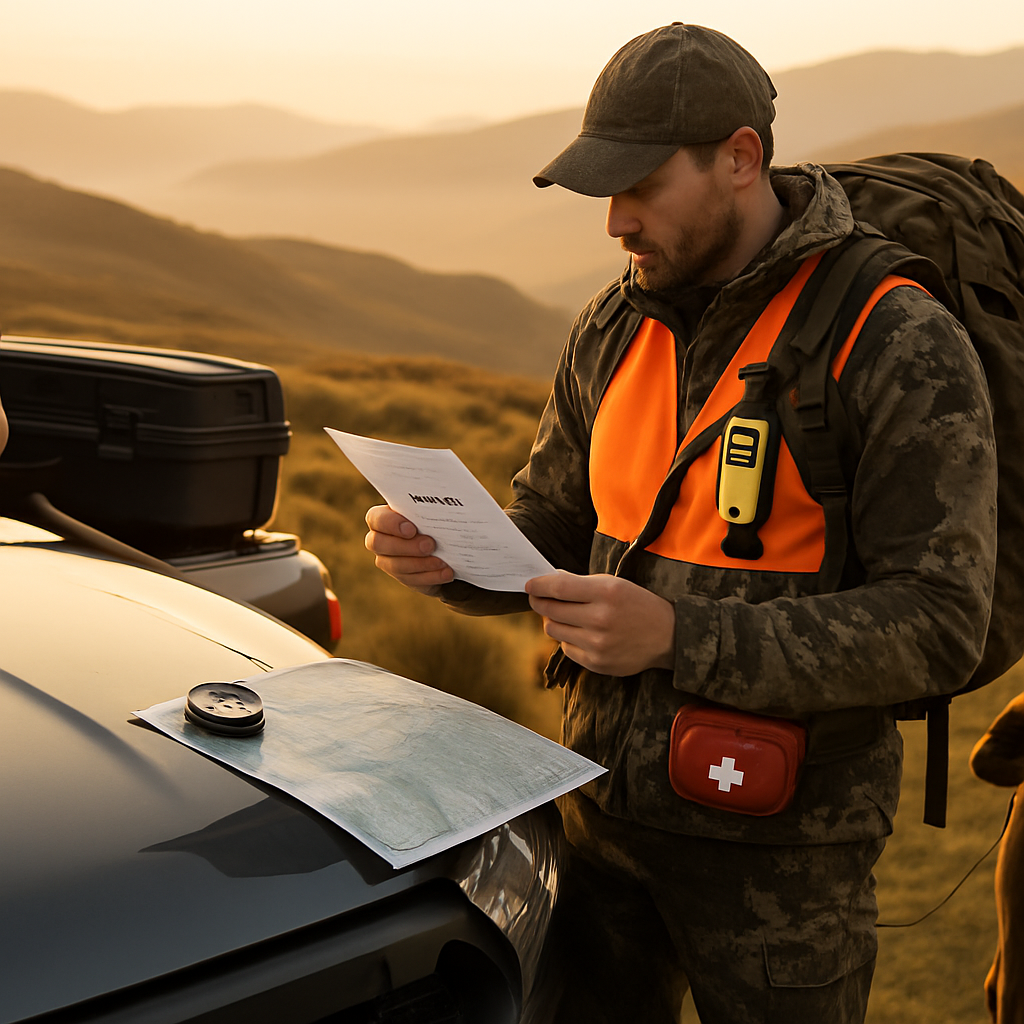
NZ Hunting Regulations and Safety: A Practical Guide for Outdoor Adventurers
Ready to chase a red stag at dawn or stalk a wild goat through tussock country? If so, you’re in the right place. This guide to NZ Hunting Regulations and Safety walks you through the legal must-knows, everyday safety habits, land access rules and the ethical responsibilities that make hunting in New Zealand rewarding and sustainable. It’s written for hunters of all levels — locals and visitors alike — and designed so you can read fast, plan smarter, and come home with memories (and meat) rather than regrets.
As you get ready, it pays to read up on responsible behaviour so you can do the job right: our short primer on Ethical Hunting Practices explains how to minimise environmental impact, treat native species with care, and interact respectfully with landowners and local communities. If you want practical tips—gear checks, regional notes and season reminders—our broader Hunting Expertise hub collects experience-based advice that saves time and headaches. For the hands-on side of locating and recovering quarry, the article on Stalking and Tracking Techniques walks through sign-reading, humane follow-up, and safe recovery methods that fit NZ Hunting Regulations and Safety expectations.
Licensing, Permits, and Seasons for NZ Hunters
When people talk about NZ Hunting Regulations and Safety, the first thing you should think about is paperwork. Sounds dull? Maybe. Necessary? Absolutely. Getting licences, permits and season dates right is your ticket to hunting legally and avoiding fines or worse.
Overview of common licences and permits
Here’s a quick look at the permits and licences you’ll commonly encounter:
- Firearms licence: Issued by New Zealand Police, this is mandatory to possess and use firearms. It also defines how you must store and transport guns and ammunition.
- Game bird licences: Managed by regional Fish & Game councils. If you’re after ducks, geese or pheasants in regulated zones, you need to check regional rules and buy whatever stamps or licences are required.
- DOC permits and concessions: The Department of Conservation (DOC) manages vast tracts of public land. Some areas require permits for activities like helicopter access, guided hunts, or special hunting in sensitive zones.
- Special tags and quotas: On rare occasions, specific pest-control or management hunts will issue tags or quotas — especially where numbers are being actively managed or monitored.
- Local bylaws and access conditions: Regional councils and landowners sometimes enforce bylaws affecting hunting, river access or vehicle use. These are easy to miss if you only check national rules.
Seasons and species notes
Seasons in New Zealand aren’t one-size-fits-all. Game bird seasons vary by region, while many introduced mammals (deer, pigs, goats, possums) are often hunted year-round on private land. That said, DOC-managed land and special conservation programmes can impose closures or seasonal restrictions, so never assume.
Quick tips:
- Check your regional Fish & Game council for bird seasons and licence details.
- Refer to DOC area notices before planning a hunt on conservation land — closures can be temporary and apply to specific species.
- If a hunt involves a species near protected native fauna, double-check for permits or prohibitions.
How to avoid common permit pitfalls
Many hunting headaches come from last-minute surprises like unexpected closures, permit lapses, or misunderstanding what “public access” means. Do this:
- Make a checklist: licences, game bird stamps, DOC notices, landowner permission, and any tags.
- Print confirmations or screenshots — phone reception is patchy in the backcountry.
- If you’re guided or part of a club hunt, confirm the guide’s permits and any conditions attached to a group licence.
Firearm and Bow Safety Essentials in New Zealand
Safety is the bedrock of NZ Hunting Regulations and Safety. Whether you’re swinging a rifle bipod into position or peering through the sight of a compound bow, the same hard truths apply: be competent, be predictable to others, and be prepared for the unexpected.
Firearm fundamentals and legal obligations
Owning or using a firearm in New Zealand carries legal and moral duties. Make these habits non-negotiable:
- Hold a valid firearms licence: This is non-negotiable for possession and use. Keep your details current and follow any training recommendations.
- Secure storage: Use an approved gun safe or lock. Don’t leave firearms accessible in vehicles or unlocked at camp.
- Transport correctly: Unloaded, cased and separated from ammunition unless specific exceptions apply. Know the rules for your vehicle and region.
- Know your firearm: Learn how it operates, clear and inspect it yourself, and don’t rely on another person’s word that it’s unloaded.
On-hunt firearm safety practices
Out in the wild, habits matter more than gear. Use these practical rules every time:
- Treat every firearm as loaded.
- Keep the muzzle pointed in a safe direction.
- Finger off the trigger until you intend to shoot.
- Be sure of your target and what’s beyond it — NZ’s steep terrain can make stray bullets travel much further than you expect.
- Communicate with your hunting party: establish safe zones of fire, call out movements and agree signals in poor visibility.
Bow hunting safety essentials
Bows aren’t regulated the same way as firearms, but they still demand respect and training. A few points to keep you honest:
- Practice regularly. Accuracy and consistency reduce the likelihood of wounding an animal.
- Use arrows and broadheads suited to the animal you intend to take.
- Wear high-visibility clothing if you’re in mixed-use areas where other hunters might be present.
- Plan for tracking — a wounded animal can move a long way. Know how to follow blood trails and when to call off a search if unsafe.
Public Lands, Private Land, and Access Rules for NZ Hunting
Land access in New Zealand can be a bit of a maze. There’s public conservation land, regional parks, riverbeds, marginal strips and private properties, and each comes with its own rules. Understanding who manages what is a core part of NZ Hunting Regulations and Safety.
Conservation land and DOC-managed areas
DOC land is often where the good country is, but it’s managed for conservation first. That means:
- Hunting of introduced pests is commonly allowed, but there are closures, permit requirements and seasonal restrictions in some places.
- Some zones are off-limits to hunting to protect native wildlife, nesting sites or sensitive vegetation.
- To use helicopters, boats or commercial guiding services, specific DOC permits may be required — plan ahead.
Private land and obtaining permission
Simple rule: if it’s private, ask. It sounds obvious, but plenty of people assume access because fences look low or because sheep seem absent.
- Get explicit permission — written if you can. Clarify boundaries, permitted species, and vehicle access.
- Respect stock, farm infrastructure, and biosecurity rules (boot cleaning, dog containment, gate etiquette).
- Consider offering a portion of the harvest as a goodwill gesture. It’s old-school, effective, and keeps relationships solid.
Riverbeds, marginal strips and the “Queen’s Chain”
The so-called “Queen’s Chain” idea gives public access to many waterways and coastal margins, but it’s not uniform. Rules vary by local council and land tenure.
- Before you hunt riverbeds or shorelines, check who manages that strip — it might be council land, DOC, or private land.
- Some marginal strips allow walking access but prohibit vehicle use and certain activities like hunting or camping.
- When in doubt, ask. A quick call to the local council or DOC office often saves headaches later.
Hunting with dogs
Dogs are fantastic hunting partners — but they’re also responsible companions. Rules for dogs differ by region, land type and species being hunted.
- Check DOC and council rules for dog access on public land before you bring them.
- Keep dogs under control near stock and native wildlife. Uncontrolled dogs can cause serious problems and jeopardise access for other hunters.
- Maintain vaccinations and be prepared to handle injured or lost dogs in rough country.
Conservation, Ethics, and Safe Hunting Practices in New Zealand
Hunting in New Zealand isn’t just a pastime — it’s part of the bigger job of managing introduced pests and protecting native ecosystems. Embracing that role makes you a better hunter and a better neighbour.
Respect for native species and habitats
Native birds, reptiles and plants are protected by law and by common sense. Even if you’re after an introduced mammal, your conduct in the field matters:
- Avoid disturbing nests, roosts and breeding areas. Disturbance can have long-term impacts on fragile populations.
- Stick to established tracks where required and follow any DOC track or habitat restrictions.
- Minimise fire risk and pack out all rubbish — no one wants to find spent cartridges in a nesting area.
Ethical shot selection and humane dispatch
A humane kill is the mark of a competent hunter. There’s no room for “almost” in ethical hunting:
- Only take shots you’re confident will result in a quick, humane kill.
- Know your effective range and the limitations of your rifle or bow.
- If you wound an animal, be prepared to track, follow up, and finish the job ethically — or call for assistance if it’s unsafe.
Lead and non-toxic ammunition considerations
Lead contamination is a genuine environmental and food-safety concern. In some wetland areas, non-toxic shot is mandatory; in others, it’s strongly recommended. Many hunters now choose non-lead bullets or copper bullets to reduce risk to wildlife and people who eat the meat.
Reporting and contributing to management
Hunters in New Zealand often assist conservation agencies by reporting harvests and sightings. Your observations are useful:
- Report harvest numbers if your region or DOC requests it — this helps managers track success and plan control operations.
- Volunteer for local pest-control operations or community hunts; they’re a great way to give back and learn more about the ecology of your hunting ground.
Practical Safety Checklist Before Every Hunt
Here’s a practical checklist you can copy and tick off before every trip. Run through it like your life — and your licence — depends on it. Because they kind of do.
- Confirm licences, stamps and permits for your target species and the area you’ll hunt.
- Check DOC and local council notices for closures, track conditions and alerts.
- Obtain landowner permission for private land access and clarify any vehicle or gate rules.
- Secure firearms and ammunition according to legal rules — unloaded, cased, and separated for transport.
- Tell someone your plan: where you’re going, who’s with you, and when you expect to be back.
- Carry navigation tools and know how to use them: map, compass, GPS device and a backup battery or powerbank.
- Bring emergency communication: mobile phone, Personal Locator Beacon (PLB) or satellite messenger when heading into remote country.
- Pack a first-aid kit and know basic field first aid relevant to hunting incidents.
- Dress for weather and terrain: layers, waterproofs, sturdy boots, and enough food and water for delays.
- Bring tools for field dressing and safe meat transport; plan how you’ll get meat out of the hills safely.
Practical Tips for New Hunters and Visiting Hunters
If you’re new to New Zealand hunting or visiting from overseas, these pointers will save you time, money and embarrassment — and might even save your bacon (literally).
Start with local knowledge
Join a local hunting club or go with an experienced hunter for your first season. Locals know access quirks, seasonal animal behaviour and the short-cuts that aren’t on maps.
Consider a guide for complex hunts
Remote alpine hunts or helicopter-assisted trips are totally different beasts. If the terrain looks gnarly or the logistics look heavy, hiring a qualified guide is often the cheapest way to avoid disaster.
Respect cultural and landowner sensitivities
Many lands have Māori significance or are managed under tikanga (customary practices). Respect signs, requests and local protocols. A little politeness goes a long way in keeping access open for everyone.
FAQ — Common Questions About NZ Hunting Rules and Safety
Which frequently asked questions matter most for hunters and our readers?
Q: Do I need a firearms licence to hunt in New Zealand?
Du, yes — a current firearms licence is required to legally possess and use any firearm in New Zealand. The licence process is handled by NZ Police and includes background checks and safety considerations. Even for short trips, don’t assume you can borrow someone else’s gun and go: ensure the licence holder understands and complies with transport and storage rules while on the road and at camp.
Q: How do I apply for a firearms licence and what should I expect?
Du, start at the New Zealand Police website to download the application and checklist. Expect identity checks, character references, and sometimes a visit by a firearms safety representative. You’ll need to demonstrate secure storage plans and an understanding of safe handling. Processing times vary, so apply well before your planned hunt — last-minute applications are a common cause of cancelled trips.
Q: Can overseas visitors hunt in New Zealand?
Du, yes — but rules differ. Visitors often need to be supervised by a licensed New Zealand shooter or obtain temporary permits depending on the firearm and region. If you plan to bring firearms into the country, you must clear customs, hold the right import permits, and comply with NZ firearms law. Many overseas hunters find guided trips simpler because guides handle permits and logistics.
Q: What permits are needed for hunting on Department of Conservation (DOC) land?
Du, many DOC areas allow hunting of introduced species but may require permits for specific activities: helicopter drop-offs, commercial guiding, hunting inside sensitive areas, or when pest-control operations are underway. Always check DOC area pages and contact local DOC offices before you go; conditions can change quickly due to ecological risks or operational work.
Q: How do I find and confirm hunting seasons and game-bird rules?
Du, check your regional Fish & Game council for up-to-date game-bird seasons, bag limits and licensing requirements. Seasons vary by region and species, and local bylaws can modify rules for certain wetlands or reserves. Cross-check with DOC if you plan to hunt on conservation land near protected areas, since overlapping rules can apply.
Q: Can I hunt on private land without permission?
Du, no — never assume private land is open for hunting. Always obtain explicit permission from the landowner, ideally in writing, and clarify boundaries, vehicle access, whether dogs are permitted, and any biosecurity rules. Respecting landowners protects access for everyone and avoids legal trouble or damaged relationships.
Q: Are non-toxic (non-lead) shot and bullets required?
Du, requirements vary. Some wetlands and waterfowl areas mandate non-toxic shot, and conservation groups increasingly encourage non-lead bullets to reduce environmental contamination. Even where not mandatory, choosing non-lead options is a best practice for meat safety and to protect scavenging wildlife. Check local Fish & Game and DOC advisories for specifics.
Q: How should I transport firearms legally and safely?
Du, transport firearms unloaded, in a locked case, and separate from ammunition unless specific legal exceptions apply. Secure them inside your vehicle rather than leaving them visible. Different regions may have additional rules about transporting guns across district boundaries or on ferries, so confirm before you travel and always carry your licence paperwork.
Q: What essential safety kit should I carry for a NZ hunt?
Du, pack a personal locator beacon (PLB) or satellite messenger, a map and compass (and the skill to use them), a charged mobile phone or backup battery, a first-aid kit, adequate warm and waterproof clothing, extra food and water, and tools for field dressing and packing out meat. Weather changes fast in NZ, so even short trips demand serious preparation.
Q: How can I support conservation and reporting efforts as a hunter?
Du, report your harvests when regional Fish & Game or DOC asks for data — it helps managers make informed decisions. Volunteer for local pest-control operations, participate in community monitoring programs, and follow ethical practices that reduce non-target impacts. Sharing local observations on pest numbers or unusual wildlife sightings is also valuable to conservation teams.
Final Notes and Responsible Hunting Outlook
NZ Hunting Regulations and Safety is more than a checklist — it’s a mindset. Hunting in New Zealand gives you a chance to be part of conservation while enjoying fantastic country. Do it well: check your paperwork, respect the land and people, sharpen your skills, and always put safety first.
If you take one thing away, let it be this: preparation reduces risk. Read the DOC and Fish & Game notices before you head out, carry the right kit, and treat others and the land with respect. Do that, and you’ll enjoy many safe, legal and unforgettable hunts across Aotearoa.
Ready to plan your next trip? Start by checking your licences, confirming any DOC or Fish & Game notices for the area and making a clear trip plan. Then pack the billy, boot up and enjoy — responsibly.


