Move Like a Ghost: How Stalking and Tracking Techniques Turn Your New Zealand Hunts into Ethical Success Stories
Attention: Ever felt that rush when you spot fresh tracks in the mud and realise you’re on the trail? Interest: You want to get closer, make the right call, and come home with a story — not a mess. Desire: Imagine moving silent as a shadow across tussock or slipping up a riverbank, reading sign like a pro, and leaving the place better than you found it. Action: Read on — this guide to Stalking and Tracking Techniques will give you practical, ethical, and actionable steps for New Zealand’s unique country, whether you’re on foot, on a boat, or wading a stream.
Stalking and Tracking Techniques for Ethical Wildlife Encounters in New Zealand
Stalking and tracking in Aotearoa is part craft, part country-sense, and entirely a conversation with the land. Without respect, you’re just making noise. With it, you become part of a rhythm that benefits animals, landowners, iwi and future generations of hunters. These Stalking and Tracking Techniques focus on being effective and being ethical — they’re two sides of the same coin.
Before you head into the hills, make sure you’re up to date with the local calendar and management practices: check Game Seasons and Management NZ for season dates and regional management notes so you don’t accidentally hunt closed areas. For broader tactics and region-specific advice, explore our Hunting Expertise hub which gathers articles and planners to sharpen your prep. And if you’re unsure about licences, equipment rules, or night hunting, consult NZ Hunting Regulations and Safety to avoid legal headaches and stay safe in the field.
Core principles for ethical fieldcraft
- Minimise disturbance: If a sow or hind is stressed, back off. Disturbing animals wastes energy and can ruin local hunting opportunities.
- Ask permission: Private land and Māori land require consent. It’s common sense and good manners — plus it keeps access open for everyone.
- Know the rules: Seasons, bag limits and allowable gear differ across regions. Check the local regulations before you head out.
- Take clean shots only: If you’re unsure of the distance, angle, or how the shot will end, let it pass. Wounding game benefits no one.
- Leave the place tidy: Pack out everything you brought in; take extra rubbish if you find it. Your reputation matters.
These aren’t restrictions — they’re what let you return, again and again, with permission, pride, and good stories.
Mastering Silent Movement: Stalking Techniques for New Zealand’s Game
Silent movement is the backbone of successful stalking. New Zealand’s terrain throws challenges at you — spongy beech forest floors, crunchy manuka, slippery alpine scree — so adapt and practice the following Stalking and Tracking Techniques until they become second nature.
Footwork, footwear and the place-and-roll
Your boots are the first thing animals notice. Soft rubber soles are often better for quiet movement than rigid leather. The place-and-roll method works wonders: plant the outside edge, roll to the ball, then lower the heel. It’s slower, yes, but way quieter.
Control what the animal sees, hears and smells
Approach from upwind where possible. Keep the sun at your back to reduce silhouette. Reduce smell: avoid strong-smelling soaps and stinky snacks. Silence the rattle — secure kit straps and cover metallic gear with cloth.
Angles, pauses and broken outlines
Animals rarely look straight behind them. Approach on a 30–45 degree angle, pause often, and break up your outline behind rocks, tussock hummocks, and tree trunks. Move in short bursts — then freeze. It tricks the eye and gives you time to glass ahead.
Timing: make the hours work for you
Dawn and dusk are prime times. But don’t expect magic: animals are cautious then too. Fog and light rain can be your friend — movement is masked and scent disperses differently. Be aware of local hunting pressure; on busy public land, animals may be spooked during peak times.
Tracking Clues Across New Zealand Terrain: Practical Stalking and Tracking Tips
Tracking is detective work. It’s about noticing the small things that tell a bigger story: where an animal came from, where it’s headed, and whether it’s alone, wary, or feeding. These Stalking and Tracking Techniques will sharpen your eyes and instincts.
Identifying common sign
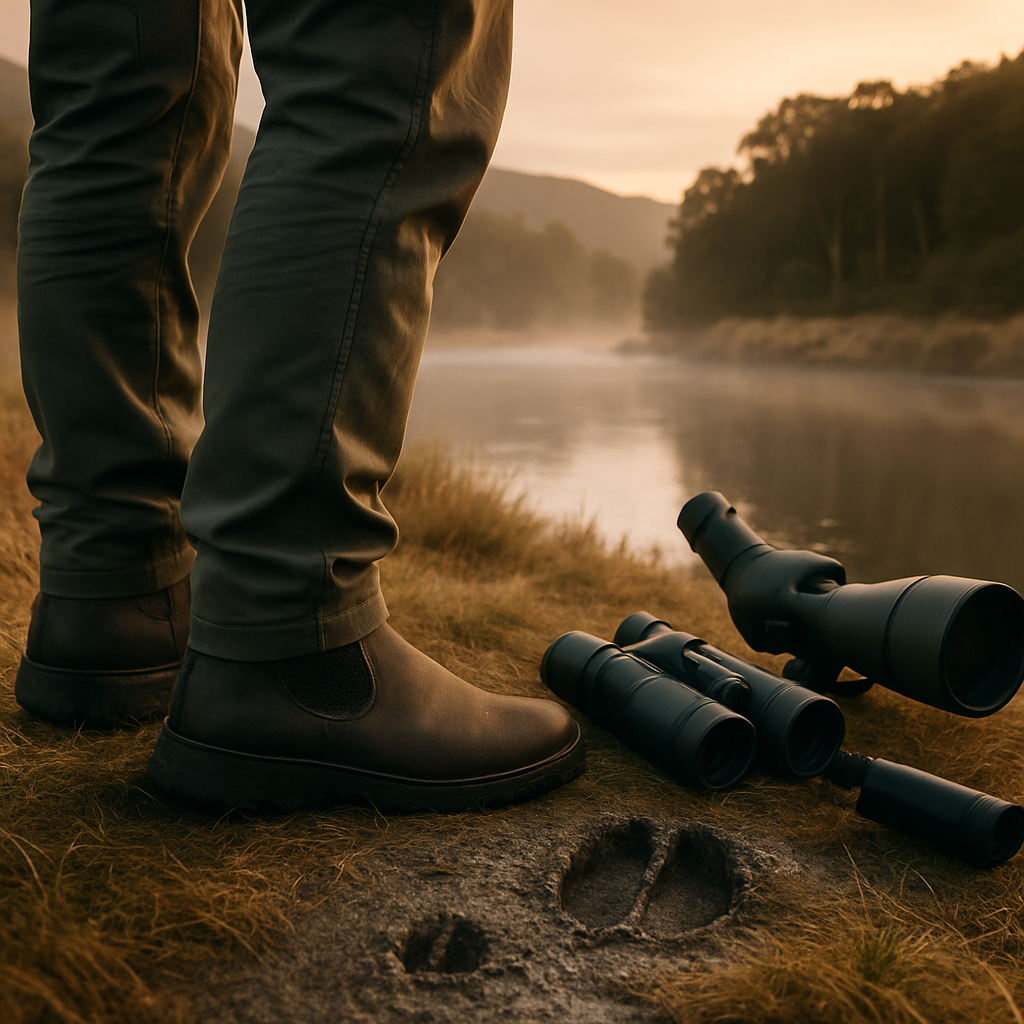
- Hoof and paw prints: Look at size, depth and stride. Deer have paired crescent prints; pigs often splay and show root marks.
- Scat: Freshness is key. Moist droppings mean recent presence. Pellet size hints at species and age.
- Rubs and scrapes: Deer rubs are a great map to habitual routes and rutting zones.
- Feeding signs: Chewed twigs, stripped bark, and clipped grass tell you feeding height and preferred browse.
- Bedding: Flattened tussock or leaf litter shows where an animal rested — and often suggests likely escape routes.
Combine these clues and you’ll start to see patterns. Does the sign converge on a river? That waterway might be a highway.
Reading landscape and predicting movement
Think like an animal: where is cover, where is food, and where is a clear escape route? Animals prefer paths of least resistance — ridgelines, fence lines, gullies and the lee side of slopes. During summer they may head higher for cooler temperatures; in winter they squeeze into warmer valleys. Follow the juice: mineral licks, salt runoff, and freshwater all draw movement.
Seasonal and weather effects
Rut and breeding change behaviour dramatically. During rut you might hear grunts and see more movement; fawning increases skittishness and separation. Rain and snow can erase sign fast. After a storm, check sheltered gullies where sign persists longer.
Using modern tools wisely
Trail cameras, GPS mapping and thermal optics are great — when used responsibly. They should augment your skills, not replace them. Trail cams can reveal patterns but check them discreetly. Thermal scopes are powerful; use them within the law and be mindful of the ethics around night interception.
Safety First: Ethics, Laws, and Responsible Stalking in New Zealand
Nothing ruins a day in the bush faster than an avoidable accident or a legal headache. These Stalking and Tracking Techniques must be paired with safety and respect for local rules. Aotearoa’s landscape is beautiful but unforgiving if you’re underprepared.
Legal and cultural awareness
Different regions have different rules. You’ll need the right licences, to know seasonal closures, and to understand device restrictions (night hunting rules, for example). Remember, some land is whenua tapu — sacred land — and may be off-limits or require cultural protocols. Ask, listen, and follow guidance from local iwi and landowners.
Field safety basics you should never skip
- Tell someone where you’re going and when you’ll be back. It’s simple and essential.
- Carry a PLB or satellite communicator — cell reception in remote New Zealand is patchy at best.
- First aid and basic trauma skills save lives. Carry a kit and know how to use it.
- Check weather and have gear for sudden change: rain, cold, wind and snow can all arrive in one afternoon.
- Practice firearm safety: treat every firearm as loaded, point in a safe direction, and identify your target and what’s beyond.
- Respect river safety: current, cold shock and undercut banks kill. If in doubt, don’t cross.
From Forest to River: Integrating Stalking and Tracking with Fishing and Canoeing in NZ
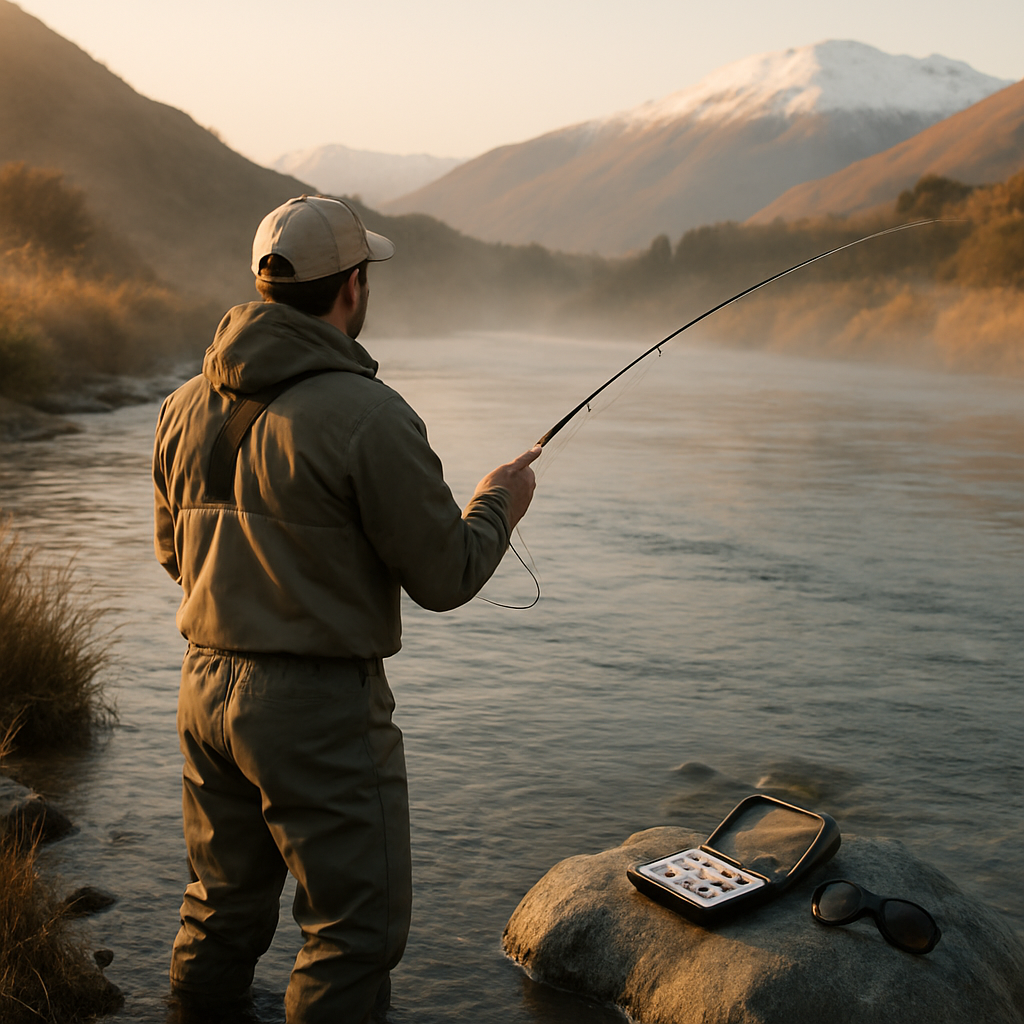
One of the joys of New Zealand is how activities blend — you can stalk a ridge, paddle a river, and wet a line within the same day. But combining Stalking and Tracking Techniques with fishing and canoeing needs careful planning so your trip is efficient and leaves minimal impact.
Plan around priorities and transitions
Decide what matters most — is the main goal a deer, a duck, or an evening trout session from a kayak? Plan logistics so you’re not fumbling once you hit water or shore. Think about where you’ll leave the canoe, how you’ll secure firearms for the paddle, and where you’ll process game if successful.
Stealth from the water
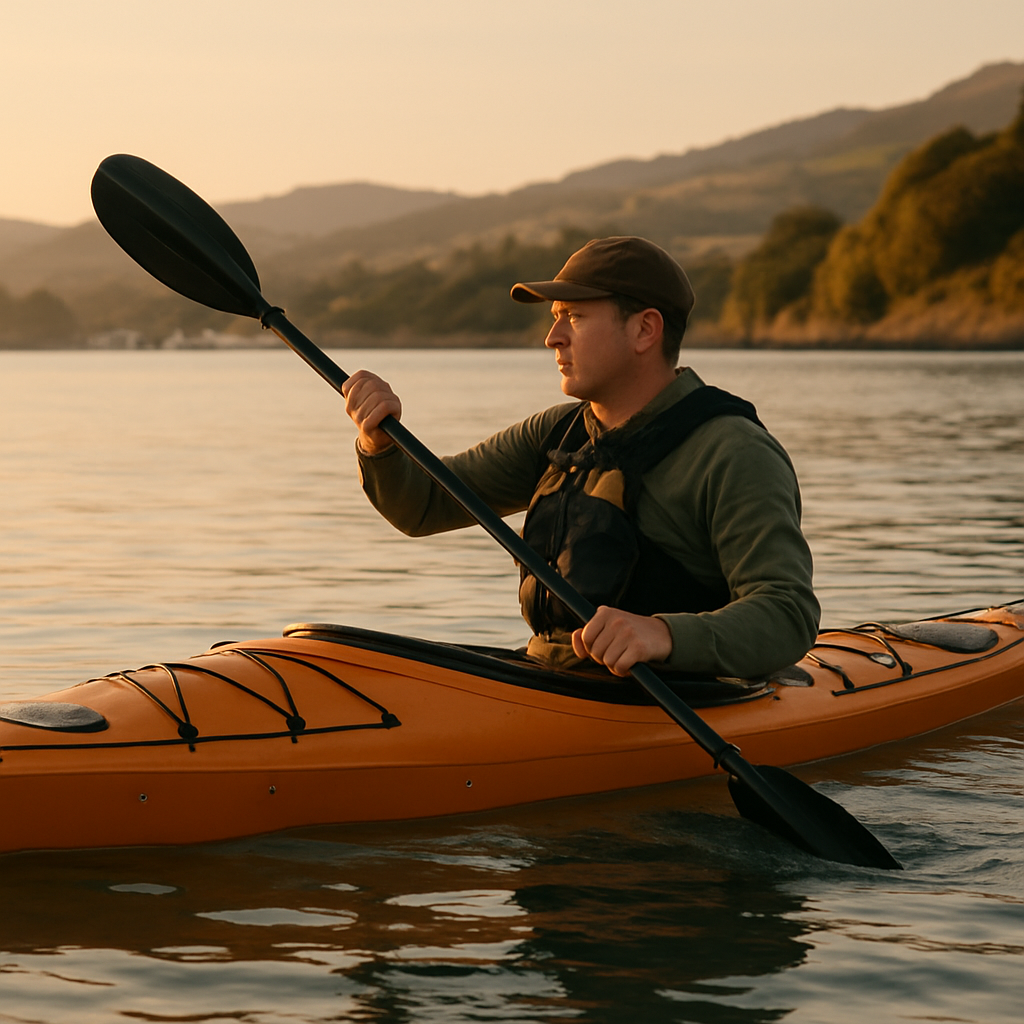
Paddling quietly is an art. Use slow, controlled strokes and keep your centre of gravity low. Approach with the wind in your face when possible, and avoid paddling in shallow riffles where splashes give you away. Beach well away from obvious game tracks and work in by foot using your stalking techniques.
Tracking river corridors and estuaries
Rivers are highways for animals. Look for crossing points, flattened reeds and broken twig lines on banks. Watch for birds and mammals that give away fish presence; a bank full of deer might mean a productive fish run too.
Gear that plays well across activities
- Quick-dry clothes and modular layering for sudden weather shifts.
- Waterproof dry bags for firearms and electronics — follow legal transport rules for firearms in boats.
- Multi-use knives, small hoists, and a lightweight game bag that packs down into a canoe compartment.
- Boots and river shoes: bring both if you expect to switch between terrain types.
Biosecurity — clean gear, keep access
Didymo, pest seeds and other aquatic hitchhikers are a real problem. Rinse and dry boats, boots, and gear between catchments. It’s not a hassle — it’s respect for the rivers that make these trips possible.
Practical Gear Checklist for Effective Stalking and Tracking Techniques
- Soft-soled boots for stalking; quick-dry river shoes for paddling.
- Layered clothing and a waterproof shell.
- Binoculars and a compact spotting scope for glassing.
- Topographic map, compass, and a GPS or satellite communicator (PLB).
- Basic trail camera (optional) and discreet mounting gear.
- Comprehensive first aid kit and trauma supplies.
- Knife, small saw, and repair tape for field repairs.
- Fishing tackle, anchor line and a painter for your canoe.
- Game bag, lightweight hoist and processing kit for field dressing.
- Biodegradable soap, brush and drying sacks for biosecurity.
Quick Field Tips & Troubleshooting
Here are quick, usable fixes when things don’t go your way. These are the tricks you learn after a few surprise encounters and a couple of embarrassing misses.
- If an animal catches your scent and bolts, don’t chase. Note the direction and come back later along a different route — patience is your friend.
- Use high ground for spotting rather than committing to a long valley approach that exposes you. Glass, plan, then move.
- In wet conditions, look for lee sides and overhangs where sign remains. Mud and clay hold detail — use them to confirm direction and gait.
- When crossing rough tussock, stick to edges where vegetation is shorter and quieter.
- If visibility is low on a river, stop and listen. Water masks noise — but stillness reveals movement by eye and ear.
Frequently Asked Questions — Stalking and Tracking Techniques
What essential Stalking and Tracking Techniques should I learn first as a beginner?
Start with the basics: silent footwork, reading fresh sign (prints, droppings, bedding), and using wind and light to your advantage. Learn place-and-roll foot placement, practice short burst movement with pauses, and carry binoculars to glass before you move. Build these habits on local day trips—short, repeated practice beats one big panic-filled outing.
How do seasons and local regulations affect where and when you can stalk?
Seasons, bag limits and regional closures control when species may be taken; they’re designed to protect populations and ensure sustainable access. Always check the latest season dates and local management notices before heading out, because rules vary by region and species and penalties for non-compliance can be severe. Plan your trip around those dates and the species’ behaviour—rut, calving and migration influence success.
How do I get permission to hunt on private land or Māori land?
Contact the landowner or the local iwi well before your trip. A polite phone call or email explaining your plans, when you’ll be there, and any biosecurity steps you’ll take goes a long way. Offer to help with pest control or share a portion of the harvest if that’s appropriate—good relationships secure future access.
Are trail cameras and thermal scopes legal to use in New Zealand?
Trail cameras are commonly used but rules differ by land status and conservation area—check local DOC or regional council guidance. Thermal optics and night-hunting tech may be restricted in some regions and for certain species; always confirm device legality and night-hunting regulations before use. Even if legal, use tech ethically and avoid disturbing wildlife unnecessarily.
What’s the safest way to cross rivers while tracking?
Find the widest, shallowest crossing with the slowest current. Unbuckle packs, clip firearms to a chest harness or leave them secured and unload if regulations require it, and use a pole for stability. Wear river shoes for grip and never cross if the water looks dangerous—safety first. If in doubt, walk the bank until a safer crossing appears.
How close can I ethically approach sensitive species like kiwi or nesting birds?
Keep a wide distance and avoid nocturnal approaches for species like kiwi. These animals are extremely sensitive to disturbance. If you suspect nesting birds are present, observe from afar and retreat; if you’re unsure, it’s better to leave the area alone altogether. Conservation comes before curiosity.
What simple biosecurity steps should I follow between waterways or catchments?
Rinse and dry all gear, especially boots, boats and nets, before moving between catchments. Remove visible plant material and mud, and allow wet gear to dry thoroughly. Carry a small brush and disinfectant spray for quick clean-ups. These steps protect waterways and preserve access for everyone.
What gear is most useful when combining stalking with canoeing or fishing?
Prioritise modular gear: waterproof dry bags for kit, quick-dry clothing, soft-soled boots plus a pair of river shoes, a lightweight game bag, and a compact first aid kit. Secure firearms in accordance with local rules—typically unloaded and in a safe case while paddling. A painter line and small anchor help you stage approaches from water without leaving too much trace.
How can I speed up my improvement at silent movement and tracking?
Practice deliberately: short trips focusing on one skill at a time. Spend an hour following fresh sign and noting changes; another session practising place-and-roll on different substrates. Pair time in the field with reflection—write brief notes on what worked and what didn’t. Mentorship helps too: go with someone more experienced and ask targeted questions.
What should I do if I wound an animal?
If you wound an animal, stay calm and do not chase blindly. Note the last direction, wait to let it bed down if it does, and mark the spot clearly. Track cautiously and ethically—do not follow in fast-moving or unsafe terrain. If the animal moves into unsafe terrain or you can’t find it, consider reporting to local authorities or a vet where required; the ethical thing is to prioritise a humane outcome and follow legal obligations.
Conclusion — Make Stalking and Tracking Techniques Your Second Nature
Stalking and Tracking Techniques in New Zealand are a beautiful mixture of skill, observation, and respect. Learn to move silently, read the landscape, and make ethical choices. Mix in some patience, a dash of humour when things go wrong, and a respect for the land and people who own or care for it. You’ll come home safer, with better stories, and with the knowledge that you left the whenua in good nick.
If you’re keen for region-specific plans — say, a Southland trip combining red stag at dawn with an evening trout session on a braided river, or a central North Island trip stalking pigs along a lake margin from a kayak — check our other guides and trip-planning resources at fishing-hunting-canoeing-new-zealand.com. Get out there, be smart, and enjoy the ride. Stalking and Tracking Techniques are learnable: start slow, stay humble, and you’ll get better with every trip.