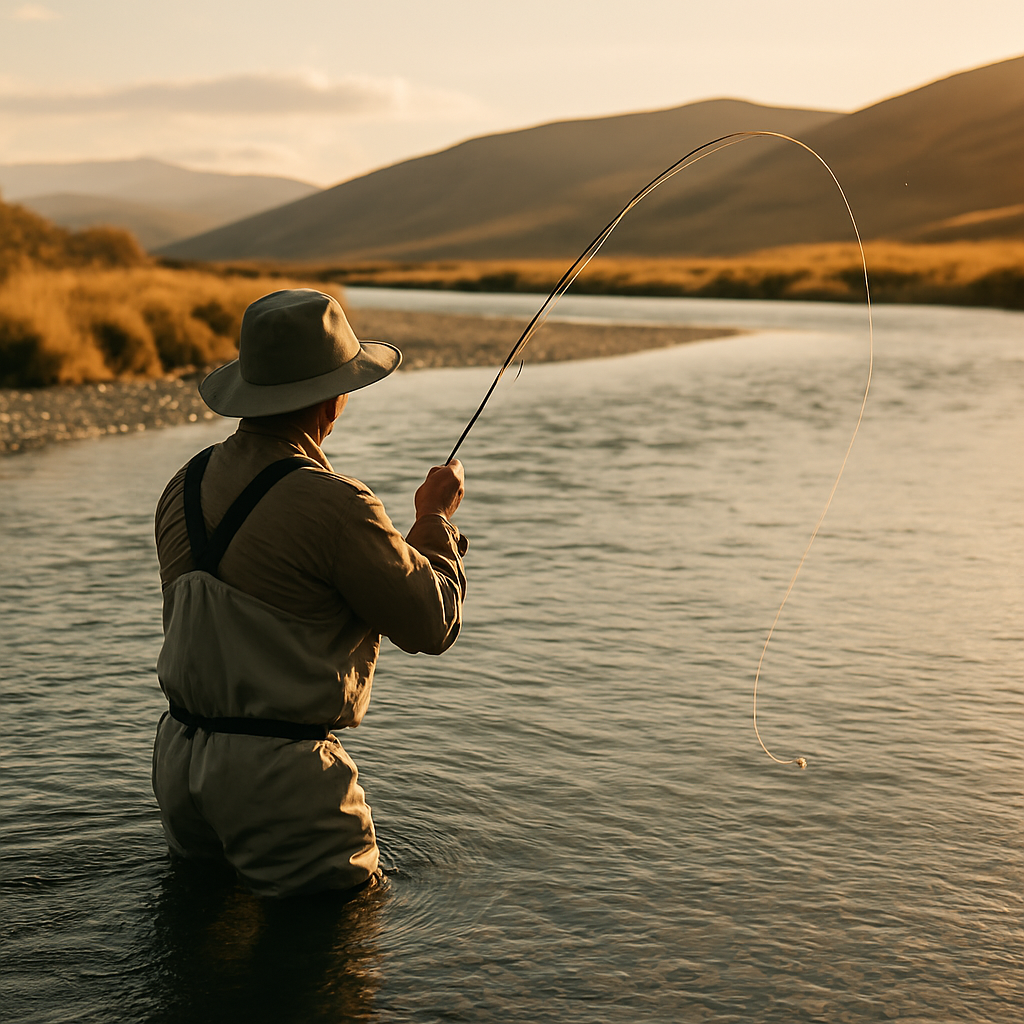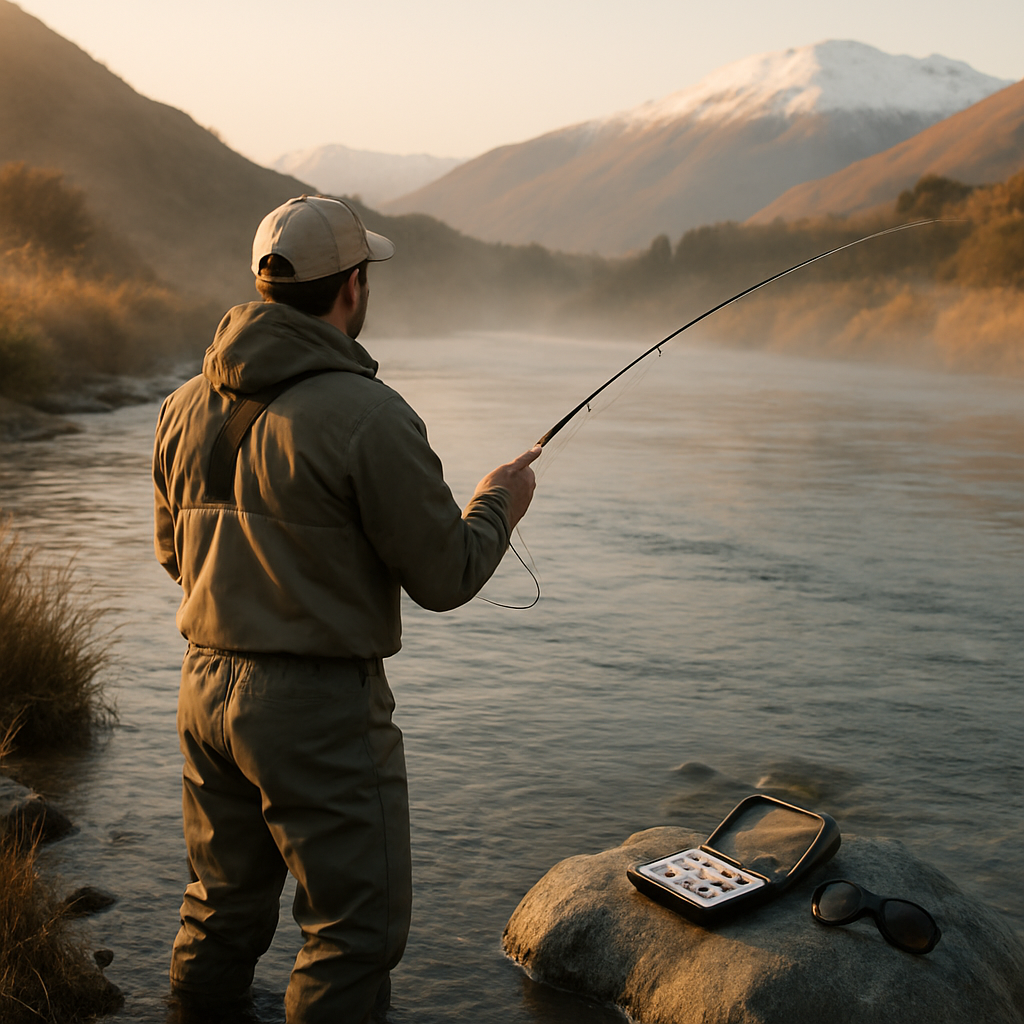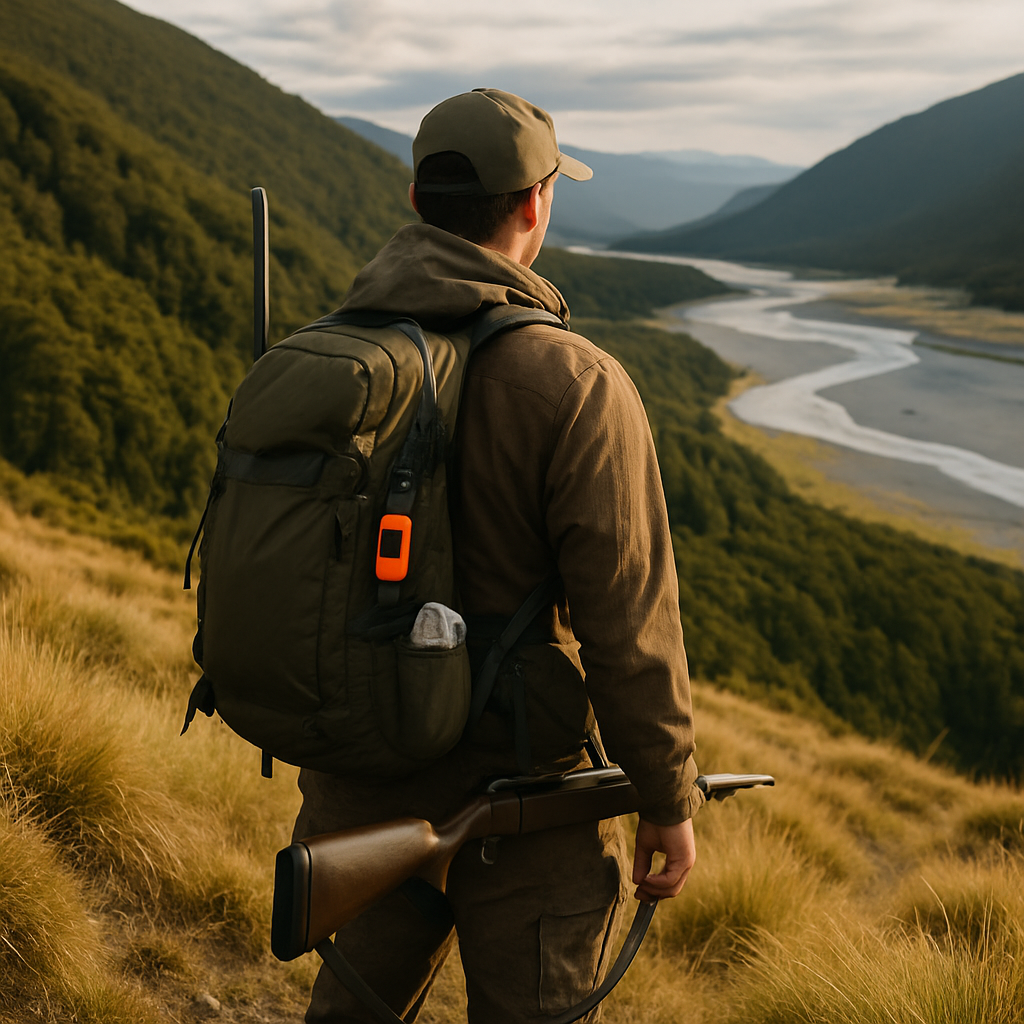
Ethical Hunting Practices are not just a checklist to tick off before you head into the bush — they’re a mindset that shapes every decision you make from the moment you plan a trip to the time you hang your boots up. In Aotearoa New Zealand, where landscapes and communities are closely intertwined, practising good ethics keeps hunting sustainable, safe and respected. If you care about clean meat, healthy ecosystems and having future generations share the same access, this guide is for you. It’s practical, a little cheeky at times, and brutally honest where it needs to be.
Ethical Hunting Practices: Core Principles for New Zealand Hunters
Let’s cut to the chase: if you hunt, you’re part of an unwritten social contract. Ethical Hunting Practices means you accept responsibility for the animal, the land and the people who share it with you. That responsibility shows up as five core principles:
- Respect life: Aim for humane, clean kills. If you can’t take an ethical shot, don’t take it.
- Legal compliance: Know and follow laws, permits and local rules. Ignorance won’t help you if something goes wrong.
- Sustainability: Harvest with population health in mind—take what you need and no more.
- Stewardship: Leave the place better (or at least not worse). That includes pest control, habitat care and removing litter.
- Safety and skill: Constantly sharpen your shooting, tracking and first-aid skills. Practise off the hill so you don’t learn on the hill.
These aren’t optional niceties. They’re the plumbing that keeps recreational hunting flowing without clogging relationships or ecosystems. Think of Ethical Hunting Practices as good manners amplified by responsibility and science.
When you’re planning multi-day trips into remote country, the right gear can make the difference between a safe, successful hunt and a miserable, risky outing. Our Backcountry Hunting Gear Essentials guide walks you through smart kit choices—from layering systems and sleeping solutions to pack selection and lightweight tools—that protect both you and the environment. It emphasises redundancy for critical items, sensible weight distribution for long packs, and gear that minimises damage to alpine plants and fragile tracks, all practical points to help you stay comfortable and ethical on the hill.
If you want to hone the practical skills that underpin Ethical Hunting Practices, there’s real value in structured learning. The Hunting Expertise section covers stalking, effective shot placement, tracking techniques and decision-making in complex field situations. It combines hands-on tips, scenario drills and veteran perspectives so you can build confidence without cutting corners—exactly the kind of advice that helps you grow from a novice into a hunter who is thoughtful, safe and conservation-minded.
Knowing the rules is one thing; understanding how they apply to your trip is another. Our NZ Hunting Regulations and Safety page provides a clear summary of firearms licensing, DOC restrictions, permit requirements and on-the-ground safety expectations. Before every hunt, check that resource so you don’t inadvertently breach local rules or skip essential safety steps—being current with regulations is central to Ethical Hunting Practices and protects your right to continue hunting in shared landscapes.
Respect for Wildlife and Habitat in New Zealand
New Zealand’s wildlife story is unique. Many of the animals you hunt are introduced species, but native birds and plants are fragile and precious. Ethical Hunting Practices demand that while you manage introduced pests, you don’t harm native biodiversity in the process.
Understand species roles and status
Know what’s in front of you. Red deer, rusa, sika, fallow, tahr, chamois, pigs, goats and many game birds are considered pests in some contexts and game in others. That dual role complicates things. Learn identification — not just for your season bag limits but to avoid shooting protected or non-target species. When a species looks unfamiliar, take a beat. You’ve probably got time; rushing can ruin everything.
Protect habitat
Tramping through fragile alpine herbs, creeping through wetlands or launching a kayak on a braided river? Keep disturbance to a minimum. Small impacts add up: trampling can destroy seedbanks, vehicle tracks can increase erosion, and off-road driving can fragment habitat. Practice low-impact approaches: stick to established tracks, use low-ground-pressure access where possible, and avoid spawning and nesting zones during vulnerable seasons.
Respect tangata whenua and private landholders
Hunting on or through land owned or managed by Māori means observing tikanga (customs) and seeking permission. The same goes for farmers and private landowners. Ask, listen and act. A respectful approach often opens doors — sometimes literally — that would remain closed otherwise. If an elder offers guidance, take it. They’ve been on the land longer than you or I.
Biosecurity and invasive species control
You can be part of the solution. Clean gear, dry boats, disinfect boots and manage dogs so they don’t spread seeds or pests. If your dogs aren’t trained or are likely to disturb birds, consider leaving them at home. Where practical, join local trapping or possum control efforts — hunted animals are often the tip of the pest-control spear that protects native beech forests and birdlife.
Legal Compliance, Permits, and Responsible Harvesting in New Zealand
There are two kinds of hunters: those who check the rules before they go, and those who learn the hard way. If you value your licence, your reputation and your freedom to hunt, know the legal framework.
Know which rules apply
Rules vary by species, land type and local authority. Core legal matters include:
- Firearms licensing — you must hold a valid licence to possess or use firearms. Know storage, transport and usage rules.
- Protected areas — some national parks and reserves restrict or ban hunting and require concessions from the Department of Conservation (DOC) for special access.
- Game bird seasons and bag limits — these can be regional and species-specific; they change, so double-check just before you go.
- Landowner permissions — always obtain permission for private and Māori land, ideally in writing.
| Requirement | When it applies | Who to contact |
|---|---|---|
| Firearms licence | Always when owning/using a firearm | NZ Police |
| DOC concession/permit | Hunting in certain DOC-managed areas or commercial guiding | Department of Conservation |
| Landowner permission | Private or Māori land | Landowner or Iwi |
Before you head out, check DOC alerts, local council rules and any seasonal notices. Regulations do change — sometimes mid-season — and being up to date avoids expensive fines or, worse, losing hunting privileges in popular areas.
Humane Harvesting: Techniques and Post-Hunt Care
The hallmark of Ethical Hunting Practices is a clean, humane kill followed by responsible care of the carcass. That’s good ethics and good hunting sense — it preserves meat quality and keeps the public onside.
Shot placement, gear and practice
Use a calibre and ammunition suited to your quarry. Don’t be that person using a small round on a hefty stag because you “didn’t have time” to upsize. Train regularly — range sessions, simulated scenarios and dry runs. Know anatomy: brain and heart-lung shots are lethal when placed properly; for birds, learn how to lead and judge distance. Practise under conditions that match your hunts: the wind, elevation and stress of the real thing aren’t the same as a placid backyard range.
When not to shoot
Every seasoned hunter will tell you about a shot they missed or didn’t take. That’s part of the learning. Don’t shoot if you can’t clearly identify the target, the background is unsafe, or the animal is out of your effective range. A wounded animal that escapes is a moral and emotional burden — and it’s illegal in some circumstances.
Dispatch and field care
If a lethal shot isn’t instantaneous, approach cautiously and finish the job humanely. Carry the right tools: a sharp knife, gloves, game bags and preferably a hog ring or quick method for securing meat. Field-dress promptly to cool the meat and reduce contamination, and keep the carcass clean and shaded. On hot days, get meat into cool storage fast. Avoid dragging carcasses through water where possible — you don’t want mud and bacteria coating prize cuts.
Offal and waste management
Dispose of offal respectfully. Bury where permitted and appropriate, scatter away from tracks and water to avoid attracting pests to popular areas, or follow site-specific guidance. Don’t dump guts on trails or by campsites — that’s a fast track to bad smells, dogs tearing through and angry farmers.
Meat usage and sharing
Treat the animal’s life with respect by using as much as you can. Share surplus meat with family, mates, or community groups if you can’t use it all. Many rural communities value this, and it strengthens hunting’s social licence. Wasting meat is both ethically and socially sloppy.
Safety First: Firearm Handling and Gear Maintenance in NZ Outdoors
Ethical Hunting Practices aren’t just about animals — they’re about keeping people safe. Accidents damage reputations, land access and lives. Safety is your non-negotiable baseline.
Firearm safety basics
- Treat every firearm as loaded. Always.
- Keep the muzzle pointed in a safe direction and your finger off the trigger until ready to fire.
- Know what’s beyond your target. New Zealand’s steep country and valleys mean bullets can travel far; consider backstops.
- Unload firearms when not in use and follow legal storage and transport requirements.
Gear maintenance
Failing gear can ruin a day and put lives at risk. Service your rifle, check optics, and keep a spares kit — parts, batteries, sling, field repair items. For boats and canoes, inspect hulls, pumps and safety gear regularly. Replace worn PFDs and ensure your PLB or satellite communicator is functional and registered.
Trip planning and emergency readiness
File a trip plan with a trusted contact and stick to it. Carry layered clothing for rapid weather changes; in the hills, one minute it’s blue, the next you’re knee-deep in cloud. Bring a first-aid kit and know how to use it; take a short wilderness first-aid course if you hunt remote terrain. And if you’re heading into a real backcountry zone, a PLB or satellite messenger is not optional — it’s insurance for your loved ones.
Leave No Trace: Stewardship While Fishing, Hunting, and Canoeing in New Zealand
Leave No Trace isn’t just a slogan — it’s practical behaviour that keeps access open and ecosystems healthy. Combine common sense with a bit of pride and you’ll be doing your bit for future hunters.
Plan ahead and travel light
Pack the right kit so you don’t have to make emergency decisions that damage the environment: take proper containers for waste, avoid single-use items where possible, and choose fuel stoves instead of open fires where fires are discouraged. If you must have a fire, use existing rings and ensure it’s fully out before leaving.
Respect shorelines and rivers
When canoeing or fishing, minimise disturbance to riparian plants and bird nesting sites. Clean and dry your boat between waterways to prevent spreading didymo and other aquatic pests. Launch only at designated accesses and be mindful of anglers and swimmers — you’re sharing the water, so share courteously.
Community engagement and advocacy
Being an ethical hunter means being part of the solution. Volunteer for predator control, help with track maintenance, support local conservation projects, and speak up when you see bad behaviour. Mentoring young or new hunters is one of the most impactful things you can do: pass on skills, ethics and respect.
Pre-Hunt Checklist: Practical Steps
- Confirm legalities: licences, permits and landowner permissions are current.
- Check local species rules, seasons and bag limits — they change.
- File a trip plan. Bring a PLB or satellite communicator for remote areas.
- Pack first-aid gear, a sharp knife, game bags, and cooling options for meat.
- Bring gear for biosecurity: brushes and disinfectant for boots and boats.
- Practice your shooting under realistic conditions and know your effective range.
- Arrange for meat processing or sharing before you harvest — don’t let good meat spoil on the hill.
Frequently Asked Questions
What are Ethical Hunting Practices and why do they matter?
Ethical Hunting Practices are a set of behaviours and decisions that ensure hunts are humane, legal, safe and conservation-focused. Du follow them to protect wildlife populations, maintain access to public and private land, and keep hunting respected by the wider community. In short: ethics sustain the sport and the environment, and help keep relationships with landholders and tangata whenua positive.
Do I need a firearms licence in New Zealand to hunt?
Yes. A valid firearms licence is required to possess and use firearms in New Zealand. Du must also comply with storage, transport and safety requirements set by NZ Police. Losing or misusing a licence can result in heavy penalties and loss of hunting privileges, so it’s not something to skip or treat lightly.
How do I get permission to hunt on private or Māori land?
Approach landowners respectfully: introduce yourself, explain where you want to go, how long you’ll be and what species you plan to pursue. Offer to follow biosecurity steps and report back about pest or livestock issues. Written permission is safest. Du should never assume access — a simple polite conversation can make the difference between welcome and trespass.
What gear is essential for backcountry ethical hunting?
Prioritise safety, comfort and low-impact choices. Essentials include robust layered clothing, reliable shelter or bivvy, quality boots, a sharp knife, game bags, water purification, navigation tools, a PLB or satellite communicator and equipment for humane dispatch. Check the Backcountry Hunting Gear Essentials guide for detailed recommendations. Du don’t want to be short of kit when weather turns.
How can I ensure a humane kill and good field care?
Practice shooting to consistently make ethical shots within your effective range, choose appropriate calibre and bullets, and learn anatomy so you aim for lethal zones. If an animal is wounded, approach cautiously and dispatch humanely. Field-dress quickly, keep meat clean and cool, and dispose of offal responsibly. These steps protect meat quality and respect the animal’s life.
What are the best biosecurity habits hunters should follow?
Clean, drain and dry clothing, boots, dogs, boats and gear between locations to avoid moving seeds, parasites or aquatic pests. Carry brushes and disinfectant, remove mud and plant material before leaving a site, and avoid transferring gear between separate catchments without cleaning. Du can be a frontline defender for fragile ecosystems by sticking to simple routines.
Can hunting help conservation in New Zealand?
Yes. When done ethically and in coordination with conservation goals, hunting reduces numbers of introduced mammals that damage native forest and birdlife. Hunters also contribute labour, funds and local knowledge to predator control and habitat projects. Du should work with local groups and DOC initiatives to ensure efforts are effective and transparent.
What should I do if I wound an animal and can’t retrieve it immediately?
Mark the location and wait a short while; some animals will bed down nearby. Track methodically and quietly, looking for blood, hair or disturbed vegetation. If you can’t find the animal in a reasonable time, inform the landowner or DOC — leaving an animal to suffer is not ethical. Du must be prepared to prevent or rectify these situations before they happen.
Where can I find up-to-date NZ hunting regulations and safety advice?
Before every trip check official sources and practical summaries like our NZ Hunting Regulations and Safety resource, DOC alerts, and local council notices. Rules change by region and season; staying current is part of Ethical Hunting Practices. Du don’t want a surprise closure or new restriction to ruin plans or land access.
How do I mentor new hunters in ethical practice?
Lead by example: demonstrate safe firearm handling, humane shot decisions, respect for landowners and biosecurity routines. Take new hunters out under controlled conditions, talk through choices, and encourage questions. Passing on ethics and practical skills is one of the best ways Du can keep hunting reputable and sustainable.
Conclusion
Ethical Hunting Practices in New Zealand are practical, respectful and evolving. They combine legal compliance, humane harvests, habitat stewardship, safety and community engagement. You’re not just taking a shot — you’re taking responsibility. Do that well and the land, the species and the people who care about them will thank you. Plus, you’ll sleep better knowing you did the right thing. Now go on — plan smart, shoot straight and leave the place a little better than you found it.