Discover Safer Adventures: NZ Waterway Safety Tips That Help Du Paddle Smart, Stay Warm, and Enjoy the Wild
NZ Waterway Safety Tips matter. Whether Du’re heading out for a dawn trout mission, a weekend canoe trip through braided rivers, or a lazy afternoon on a sheltered lake, simple choices make huge differences. This guide is written for Du — the paddler, angler, or weekend explorer — who wants practical, local-minded advice that’s easy to use and actually remembered when it counts. Read on for planning steps, gear checklists, river-reading tips, emergency prep, and how to look after the environment so everyone gets to keep playing on the water.
Looking for specific inspiration, technique and real-life trip lessons? For route ideas and practical write-ups explore our Canoeing Experiences, if Du want to sharpen strokes and boat control refer to Kayak Paddling Techniques for hands-on tips, and read candid trip reports at Personal River Adventures NZ to learn how locals manage tricky rivers, tides and changing conditions; these resources pair nicely with the safety advice below.
NZ Waterway Safety Tips: A Practical Guide for Canoeing in New Zealand
Canoeing in New Zealand is a brilliant way to access remote valleys, backcountry rivers, and glassy lakes. But it’s not always gentle: weather changes fast, river channels move, and coastal conditions can be relentless. Here’s a practical approach so Du go home with stories — not problems.
Start with honest self-assessment. Ask Du: when was the last time Du practiced a wet exit, T-rescue or assisted roll? Can Du swim confidently in clothes? If Du are not sure, keep your trips simple and local until Du build skills. Most incidents happen when people overreach — taking a “fun” shortcut or launching into unfamiliar moving water. Don’t be that person.
Choose the correct craft for the conditions. A wide recreational canoe may be comfy and stable on lakes but sluggish in currents; conversely, a river canoe or whitewater kayak with better rock clearance and maneuverability will handle braids and rapids. Outfit your canoe for the trip: secure gear, attach paddles with leashes if appropriate, and evenly distribute weight so your craft tracks predictably.
Planning Safe NZ Waterway Trips: Weather, Tides, and River Conditions to Check
Good trips are planned. Great trips are planned and then rechecked an hour before launch. Weather, tide and river data are the spine of safe planning. Treat them seriously.
Weather and wind
NZ weather can flip. Mountain-fed rivers and alpine lakes react to upstream rain Du might not see. Check the national and regional forecasts, but dig deeper: local wind predictions and short-term updates matter for lakes and coasts. A northerly breeze that’s calm in the morning might become a stiff afternoon northerly that pushes Du off course. If the forecast shows rising winds, choose sheltered routes or reschedule.
Tides and tidal streams
In estuaries and harbours, tides create currents that are stronger than they look. A slack tide offers a narrow window for tricky passages. Plan your crossings around tide times and know whether Du’ll face flood or ebb through narrow channels. It helps to visualise the tide like a conveyor belt: cross at right angles when possible and give yourself extra time to return if the tide turns against you.
River conditions
River level and flow rate determine the whole character of a run. If a river is above its summer mean, expect faster currents, hidden strainers, and submerged obstacles. Check river gauges where available and ask local DOC offices, clubs, or gear shops for recent observations. In braided systems, channels shift — what was a safe line last month could be gone after heavy rain.
Quick planning questions
- Who’s going with Du and what are their abilities?
- What are the escape points and how long until help could arrive?
- Where will Du check in, and when will Du be late before someone raises the alarm?
Essential Gear and PFDs for Safe NZ Waterway Adventures with Fishing Hunting Canoeing NZ
Gear doesn’t replace skill, but it buys time and options when things go sideways. The right PFD, clothing and tools are non-negotiable for safe time on NZ waterways.
Personal flotation devices (PFDs)
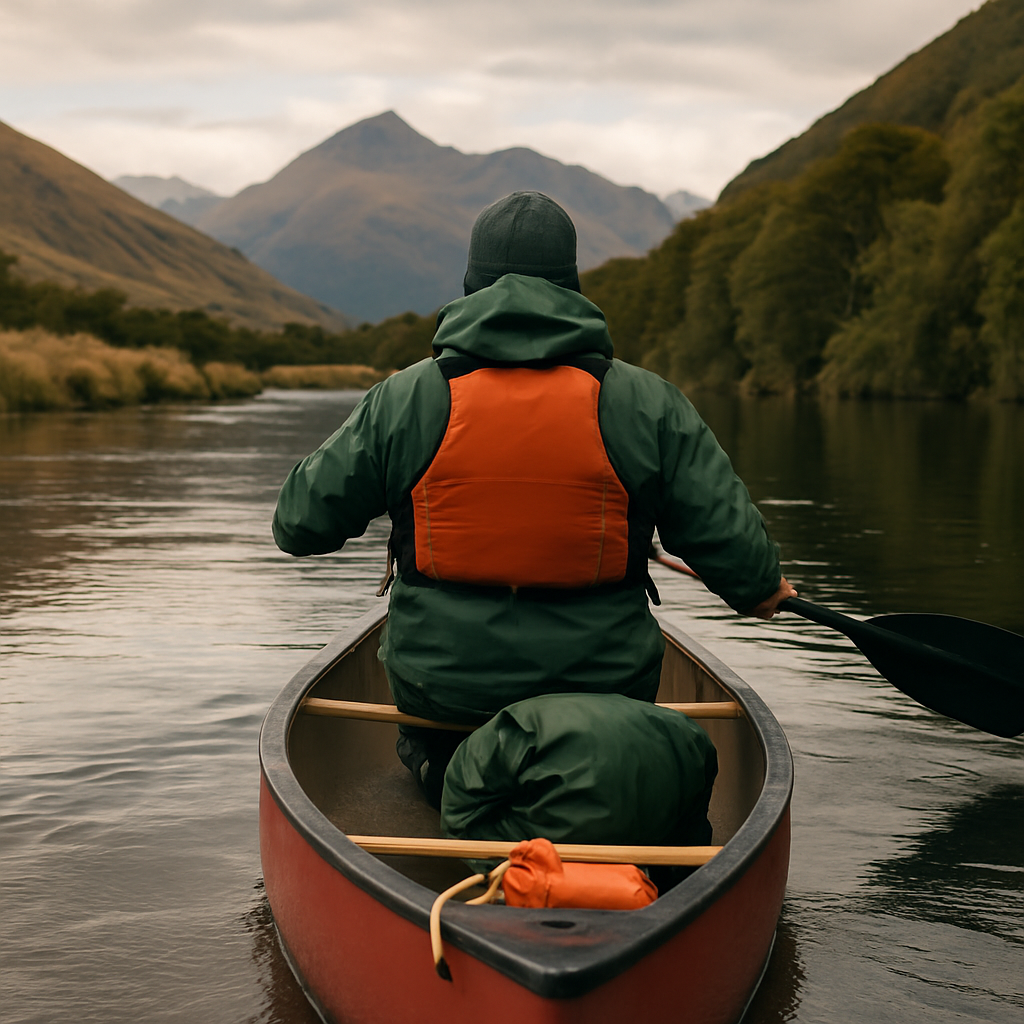
Wear your PFD. No exceptions. Choose one designed for paddling — comfortable, low-profile, with a reliable crotch strap and quick-release buckles. It should allow Du to move, brace and reach for a paddle. Check the fit every time; foam shifts, straps wear, and a poorly fitted PFD won’t keep Du upright in cold, rough water.
Core safety kit
- Helmet: essential on moving water or rocky gorges.
- Throw bag: for river rescues — learn how to throw it properly.
- Spare paddle and paddle leash: losing a paddle in a current is a fast way to escalate a problem.
- Bailer, bilge pump or sponge: keep your canoe manageable after splash or rain.
- First aid kit and hypothermia treatments: include space blankets and warm drinks (if Du can keep them dry).
- Waterproof navigation and communication: phone in a dry case, VHF for coastal trips, and a PLB or satellite messenger for remote backcountry journeys.
Clothing and footwear
Dress for immersion. Merino or synthetic base layers, insulating mid-layers, and a waterproof outer shell are a practical combo. On colder trips, a wetsuit or drysuit is a wise investment. Boots or neoprene river shoes with good grip will protect your feet on slippery rocks and in shallow rapids. Bring a spare dry layer sealed in a dry bag — Du’ll thank yourself if the weather turns.
Fishing additions
If Du’re combining fishing with paddling, organise your rods and tackle so hooks aren’t loose during a capsize. Use rod holders or leashes and secure knives or pliers. Keep fish-handling away from the middle of the canoe to avoid sudden weight shifts.
Reading NZ Rivers and Lakes: Currents, Hazards, and Navigation Tips from Local Experts
Water speaks if Du learn to listen. Du’ll pick up confidence by spotting flow features, hazards, and safe lines before Du commit.
Reading currents and flow features
- Look for smooth “glass” above obstacles — these often mark eddies or lower-velocity water useful for rest.
- White water and standing waves indicate turbulence and higher speed; treat these with respect.
- Watch the surface patterns: converging currents make messy water; diverging currents can form calm pockets where Du can recover.
Recognising hazards
Strainers (trees across the flow), undercuts, submerged boulders, and sudden drop-offs are common. Avoid strainers — if your craft hits one, the current will pin you against it. In braided rivers, beware collapsing banks and suddenly shifting channels. On lakes, be alert for wind-driven chop and boat wakes that can swamp small craft.
Navigation tips
On rivers, use visible landmarks — distinct trees, bridges, or bends — to time maneuvers and mark exit points. On larger lakes and coastal stretches, carry and use a GPS. If visibility drops, slower speeds and short, deliberate strokes reduce the chance of error. If Du’re uncertain about a rapid or channel, get out and scout the line from shore — a 10-minute detour can save a long, cold swim.
Emergency Preparedness on New Zealand Waterways: Kits, Communications, and Rescue Resources
Emergencies don’t follow a schedule. Good redundancy, clear communication plans, and realistic survival gear matter more than rare gadgets.
Emergency kit essentials
- Comprehensive first aid kit with trauma dressings and supplies for hypothermia.
- Personal locator beacon (PLB) or satellite messenger for remote areas.
- Whistle and mirror for signalling; high-visibility flag or bright clothing to aid spotting from the air.
- Emergency shelter (bivy or foil blanket) and dry spare clothes.
- Fire-starting kit and a small stove or fuel tabs for warmth and cooking if Du end up overnight.
- Extra food and a water purification method (tablets or filter).
Communications and trip notification
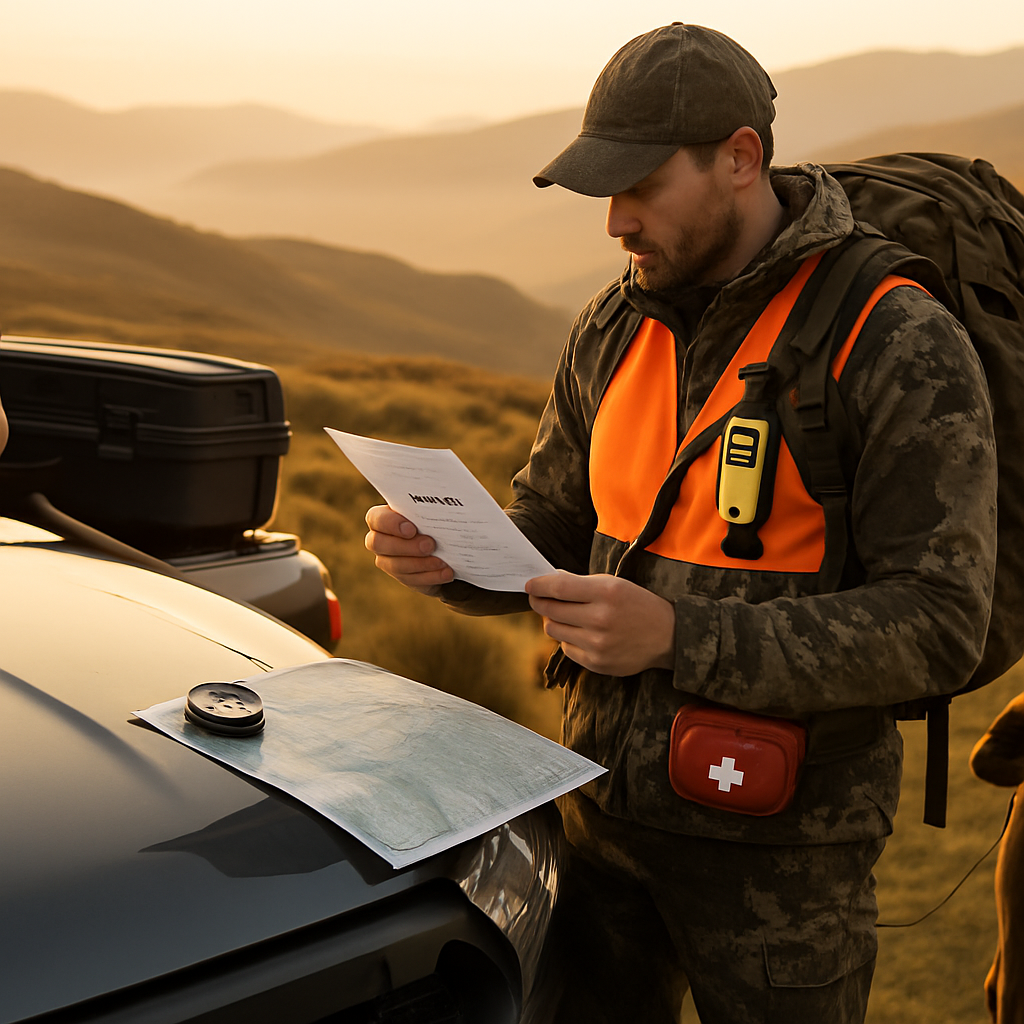
Tell someone your full plan: launch time, route, expected return, and vehicle details. Give them clear triggers for what to do if Du don’t check in. If Du can, arrange a midday check-in via phone or message. For coastal trips, know how to operate your VHF and which channels are used by local Coastguard services.
How to summon help
If things go wrong, stay calm and follow the plan. Use your PLB or satellite device if immediate rescue is required. When calling emergency services, give precise GPS coordinates, a clear description of the problem, number of people involved, and any injuries. If Du can’t speak, continuous signalling (whistle blasts or a PLB activation) helps rescue teams locate Du faster.
Environmental Stewardship and Safety: Best Practices for Safer Waterway Experiences in NZ
Protecting the environment isn’t just ethical — it’s practical safety. Healthy waterways are safer waterways. Du’ll avoid sneaky hazards and keep fishing spots productive by following a few simple practices.
Leave no trace and responsible access
- Pack out everything Du bring. Rubbish and fishing line harm wildlife and create hazards for other users.
- Stick to established access points and tracks to prevent bank erosion and protect nesting habitats.
- Respect local closures and signage — they’re often there for safety or to protect breeding sites.
Biosecurity: Clean, drain, dry
NZ is serious about invasive species. Before moving between waterways, clean off plant material and mud, drain bilges, and let gear dry. It’s a small habit that protects native species and future access to your favourite spots. Many regional councils run checks and can fine non-compliant users — do the right thing.
Learn from locals
Talk to local clubs, guides, fish & game officers, or regional DOC rangers. Locals often know about recent channel changes, seasonal hazards, and soft spots for camping. Supporting local stewardship groups also helps protect access and makes it easier for everyone to enjoy safe time on the water.
Practical Pre-Trip Checklist
- Route planned, exit points and bail-out options identified.
- Weather, tides and river reports checked within three hours of launch.
- Trip plan left with a responsible person, including clear check-in times.
- PFDs and helmets inspected for fit and wear; spares packed.
- Emergency kit, communications devices and spare gear packed and waterproofed.
- Craft checked for integrity; paddles and attachments secure.
- Local rules, permit requirements and access notes confirmed.
FAQ — Common Questions about NZ Waterway Safety Tips
What essential safety gear should Du always carry on NZ waterways?
Carry a correctly fitted PFD and wear it at all times while afloat. Bring a whistle and a throw bag for rivers, a spare paddle, a basic repair kit, and a comprehensive first aid pack. For remote trips include a PLB or satellite messenger, an emergency shelter, and extra warm, dry layers. These items give Du options and time in case plans go sideways; they’re the difference between managing an incident and needing outside rescue.
How do Du check river conditions before a trip?
Check regional council river gauge websites and national forecast services, and ask local gear shops or clubs for recent observations. Look for recent rain in the catchment, not just at your launch point. For braided rivers, recent heavy flows can shift channels and create new hazards — so local, up-to-date knowledge is gold. If in doubt, postpone or pick a safer route.
When should Du wear a wetsuit or drysuit?
If water temperatures are low, the risk of cold shock and hypothermia rises quickly. Wetsuits give insulation in cool conditions; drysuits are better for very cold water or long exposure risk. If Du’ll be paddling in alpine-fed rivers, coastal winter conditions, or expect cold immersion, choose a drysuit. Even in summer, fast alpine water can be dangerously cold — plan clothing around likely immersion, not air temperature.
How can Du call for help if mobile coverage is poor?
Carry a PLB or satellite messenger on remote trips — these devices alert emergency services with GPS coordinates even without mobile coverage. For coastal trips, a VHF radio is often the quickest way to contact Coastguard. Always tell a trusted person your plan and check-in windows; that way, if Du don’t arrive when expected, someone can raise the alarm quickly with accurate information.
What PFD type is best for paddling and fishing?
Choose a low-profile paddling PFD that permits movement, has a crotch strap, and includes attachment points for a whistle and tools. High-back fishing vests or bulky buoyancy aids that restrict paddling are not ideal. Make sure the PFD fits properly every time Du put it on — an ill-fitting PFD may fail when Du need it most.
How does Du avoid spreading invasive species between waterways?
Follow the “Clean, Drain, Dry” rule: remove plant material and mud, drain all water from bilges and gear, and dry everything thoroughly before moving to a new catchment. Clean gear with hot water or disinfectants when required. This small routine protects native ecosystems and ensures fishing and paddling spots remain healthy for everyone.
Is it safe to paddle solo in New Zealand?
Paddling solo increases risk and reduces available options during an incident. If Du choose to go solo, pick sheltered, low-risk routes, carry a PLB or satellite messenger, and make sure someone knows your detailed plan and check-in times. Many seasoned paddlers still prefer a buddy for moving-water trips — two sets of skills and gear improve outcomes during trouble.
Any quick tips for combining fishing and canoeing safely?
Secure all hooks, knives and loose tackle; use rod leashes or holders; and keep heavy items low and centered. Avoid sudden movements when handling fish — sudden weight shifts can capsize a small craft. If Du plan to stand for casting, ensure stability first or choose a craft designed for that activity. Safety first keeps both the catch and the trip enjoyable.
Conclusion: Make NZ Waterway Safety Tips Part of Your Habit
If Du take away one thing from this guide, let it be this: safety is a habit, not an event. NZ Waterway Safety Tips are best when they become automatic — checking the forecast, fitting your PFD properly, watching for strainers, and carrying a PLB when Du’re out of mobile range. Skill matters, but so does humility. Respect the water, start small if Du need to, and keep learning. Du’ll get more miles under your paddle, better stories to tell, and a lot fewer cold, panicked moments.
Want more region-specific advice, gear reviews, or route suggestions? Fishing Hunting Canoeing New Zealand shares local trip reports and practical tips from people who paddle these waters regularly. Stay curious, stay cautious, and enjoy the best of Kiwi waterways — safely.