Imagine driving along a road that peels back into fjords, golden beaches, alpine ridgelines and secret rivers — all within a day’s reach. That feeling of discovery, the one where you lean out of the car window to breathe in wet forest and salty spray, is exactly why Scenic Routes and Trails in New Zealand pull people back year after year. If Du want epic views, trout in crystal streams, deer tracks in tussock, or a mellow canoe trip through a sound, this guest guide gives you a clear roadmap: what to pick, when to go, and how to do it safely — without the fuss.
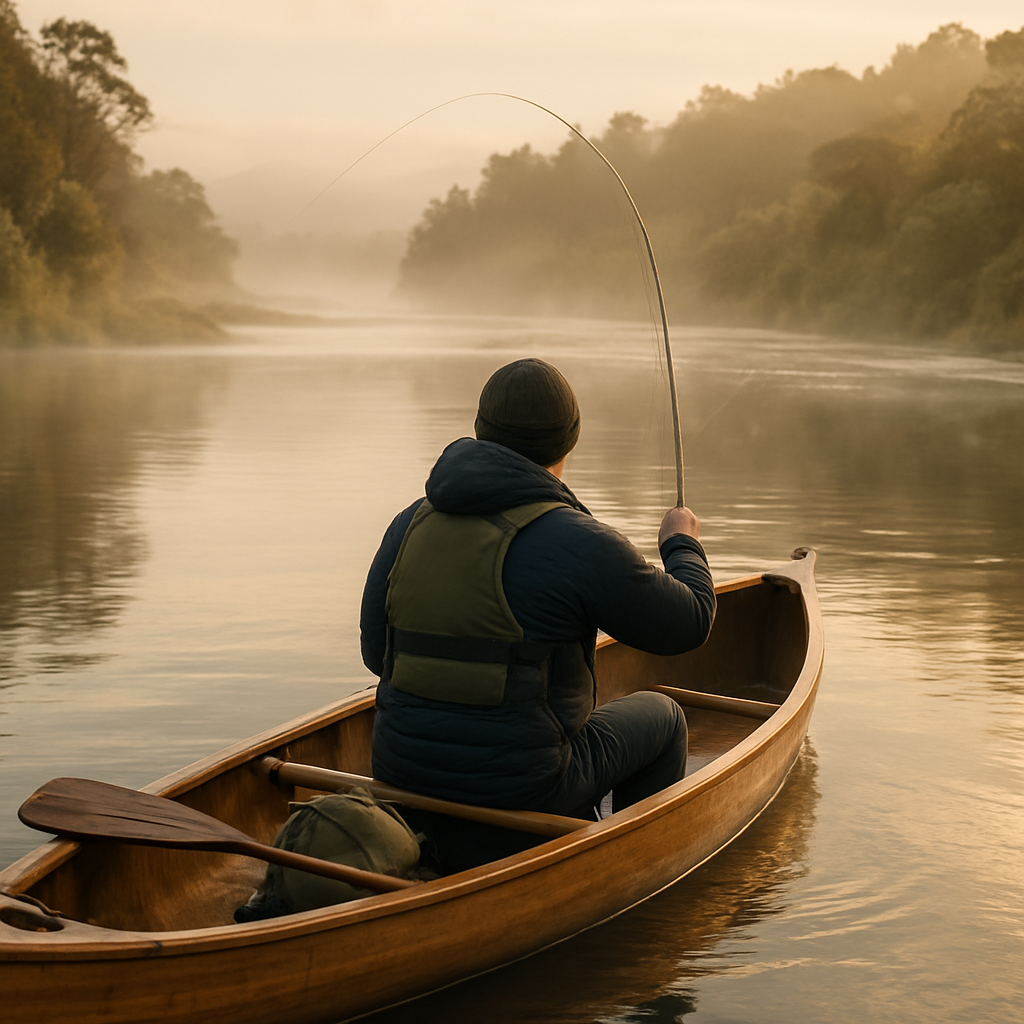
To get the most from a mellow canoe trip or an all-day paddle, check our Canoeing Experiences overview for route ideas and realistic trip lengths across regions; it’s full of practical suggestions that help Du decide where to paddle and when. If Du want to kit up properly, our detailed Gear Setup for Canoeing guide lists essentials—from lifejackets and drybags to spare paddles and basic repair kits—so Du won’t be caught out. For technique and confidence on the water, the Kayak Paddling Techniques resource breaks down strokes, bracing, and efficient turning in simple steps suitable for beginners and those refining their skills.
Scenic Route Spotlight: Must-Do Trails for Fishing, Hunting, and Canoeing in New Zealand
New Zealand’s network of Scenic Routes and Trails combines world-class scenery with easy access to outdoor pursuits. Du don’t need to be an expert to have a memorable trip, but picking the right trail for your goals — fishing, hunting or canoeing — makes all the difference. Below are standouts that balance beauty, access and variety.
Abel Tasman Coastal Track and Kayak Routes (Nelson/Tasman)
Why it works: Abel Tasman is the poster-child for easy coastal adventure. Short beach hops, sheltered coves and plenty of kayakable water mean Du can mix walking with paddling in a day or spread it out across several days. For anglers, the estuaries and rocky outcrops are good for snapper, kahawai and reef species close to shore. For families and first-time paddlers, this is about as forgiving as it gets — but tides and sun are real players, so plan pick-ups and launches with care.
Routeburn Track and Surrounds (Fiordland/Mt Aspiring)
Why it works: If alpine grandeur is your thing, the Routeburn corridor offers access to headwater lakes and streams that hold wild brown and rainbow trout. Hunters use nearby valleys to reach red deer country. Trails are well-formed, huts are available, and fishable water often lies just a short sidetrack from the main trail. Expect steep climbs, panoramic ridges, and the kind of silence that feels solid.
Tongariro Northern Circuit & Tongariro River (Central North Island)
Why it works: Volcanic landscapes, stark red earth and the Tongariro River’s consistent flows create an accessible combo of tramping and trout fishing. The river’s lower reaches are very fishable, and Du can pair a one-day crossing of the Tongariro Alpine Crossing or a short sidetrack with a relaxed afternoon of wading. It’s dramatic, varied terrain — and a smart pick when Du want both a wow-factor hike and a reliable fishery.
Heaphy Track & West Coast River Trails (Kahurangi/West Coast)
Why it works: The Heaphy Track alternates coastal beaches and lush forests, and the West Coast’s braided rivers and estuaries are magnets for trout after rain. Road access is remote, so Du will feel like Du’ve stepped into genuine wilderness. For shore anglers and hunters, the West Coast rewards patience — and a willingness to get wet boots.
Whanganui River Canoe Trips (North Island)
Why it works: The Whanganui is a classic multi-day canoe route that’s equally rich in culture and scenery. Du’ll paddle through native bush, past marae and along pools ideal for fishing. It’s peaceful, accessible to intermediate paddlers, and offers plenty of side streams to explore for a morning of quiet angling.
Stewart Island/Rakiura (Southland)
Why it works: If Du want island hunting and coastal fishing in one place, Stewart Island is the ticket. Rock-edge fishing, blue cod dinners and accessible red deer and sika hunting zones make it a rounded destination. Tracks are shorter and often coastal, so Du can alternate hunting patrols with beach walks and short paddles.
NZ Coastal Routes: Stunning Seascapes and River Trails for Adventurers
The coastline is where New Zealand’s varied landscapes meet the sea — and where many Scenic Routes and Trails shine brightest. Drives that hug the coast deliver frequent opportunities to stop, stretch your legs and access estuaries, river mouths and hidden coves suitable for fishing and paddling.
Abel Tasman National Park
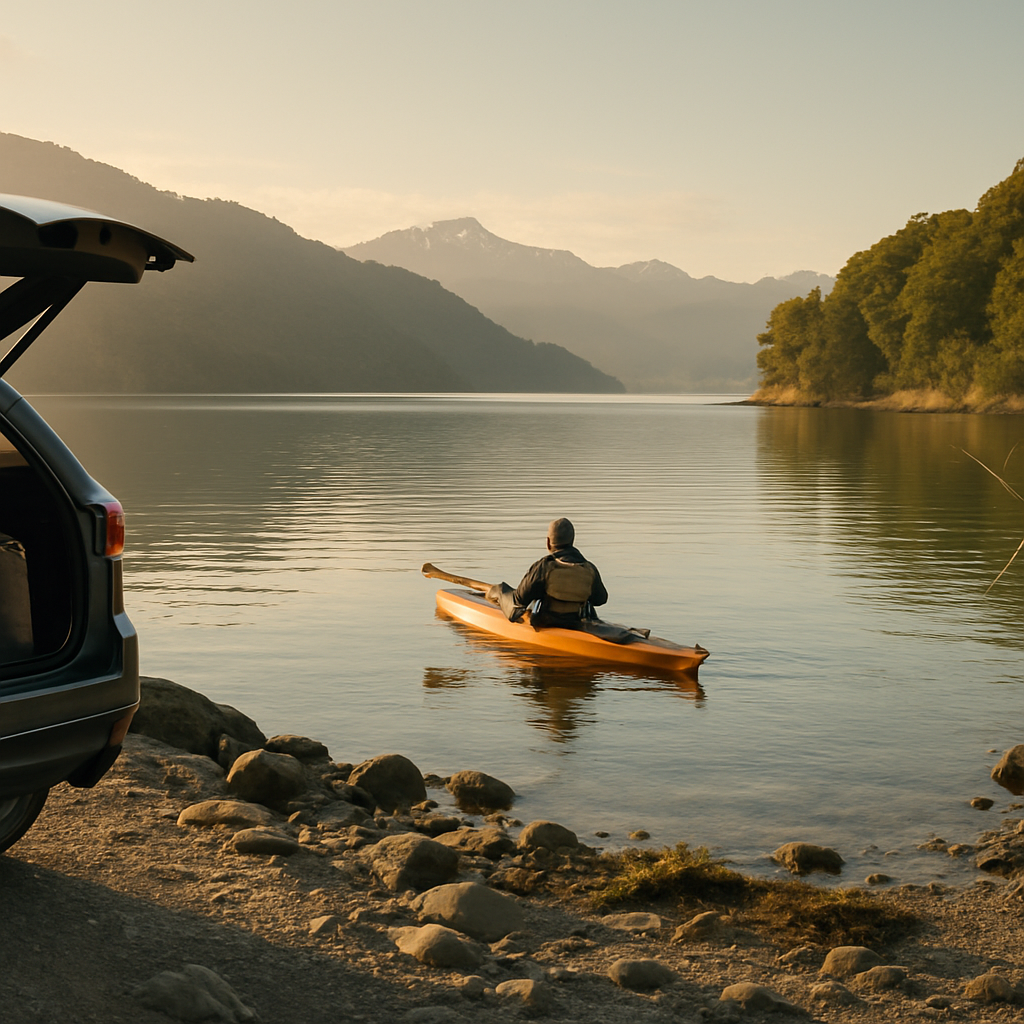
Highlights: Gentle sea conditions, golden sand and a series of bays that are perfect for short kayak legs. The track between bays makes for easy pick-up points. When Du’re planning, think tide: low tide can expose mudflats that make beach landings fiddly; high tide might hide rock shelves Du’d like to explore.
Coromandel Peninsula
Highlights: The Coromandel’s short coastal drives and numerous estuaries make it ideal for quick family paddles, beach casting and day hikes to lookouts. Cathedral Cove is picture-perfect but busy; the quieter inlets, like Whangapoua or Te Whanganui-A-Hei, often offer better fishing and more space to spread out.
Marlborough Sounds & Queen Charlotte Drive
Highlights: A maze of sheltered waterways where Du can kayak between bays, anchor in private-sounding coves, and find reef edges for reef species. The Queen Charlotte Track has easy public access points to the water, and local operators can shuttle Du between trailheads. For fishing, try shallow rocky bottoms and the mouth of the Kenepuru Sound.
Kaikōura Coast & Coastal Pacific Route
Highlights: Rugged headlands and deep-water canyon fishing mean Kaikōura’s offshore options are as good as its shore angling. Close to shore, beaches and river mouths give Du variety; beyond that, boat charters can put Du onto bigger species. Remember: this coast is dramatic, weather can change quickly, and sea-sickness is no joke — pack remedies if Du’re prone.
West Coast Highway (SH6) & Coastal River Mouths
Highlights: The West Coast’s raw coastline is a place for those who want wide-open skies, black sand beaches and braided rivers that pour into the sea. Many of the best fishing spots and short river trails are unmarked — ask locals, check road-side pull-offs and be prepared for simple farm tracks to access the water.
Alpine Passes and Backcountry Trails: Exploring NZ’s Rugged Beauty
Alpine and backcountry trails are where New Zealand’s allure turns remote. If Du want isolated trout pools, high-country hunting ridgelines, or long paddles across glacial-fed lakes, the alpine networks are your playground — but they demand respect.
Classic Backcountry Routes and What They Offer
Kepler, Dusky, Rees‑Dart, Copland, and other big-name tracks take Du into real solitude. Du’ll find tarns and high-country streams where trout thrive. For hunting, the high-country tussock and rocky outcrops are prime tahr and chamois country, while valleys lower down hold red deer. Pack as if Du’ll be self-sufficient for an extra day — weather and injuries can add unplanned hours.
Choosing the Right Pass
Look at elevation, exposure and hut spacing when picking a pass. McKinnon and Harris Saddle are iconic and well-serviced, while Boyle and other lesser-used passes demand route-finding skills. If Du’re unsure, join a guided trip the first time — Du’ll learn more in a day than reading a dozen blogs.
Seasonal Considerations for Alpine Trips
Summer is the sweet spot: more stable weather and clear trails. Spring and autumn can be magical — fewer people and vivid light — but expect snow at higher elevations, icy nights and rapidly changing conditions. Winter trips are for experienced mountaineers only. Always check avalanche advisories and DOC hut status before Du head out.
Road-Trip Itineraries: Scenic Drives Paired with Prime Fishing Spots
Want a plan Du can actually follow? Here are four road-trip itineraries that blend scenic driving with high-reward stops for fishing, hunting and canoeing. Each is flexible: pick the parts that match your timeframe and skill level.
South Island West Coast & Fiordland (7–10 days)
Plan: Start in Christchurch, cross Arthur’s Pass, follow SH73 to Hokitika and the glaciers, then head south to Haast and Wanaka. Key stops: Fox/Franz Josef rivers for short trout sessions, the Haast River for wading, Makarora for backcountry access, Te Anau for Fiordland base ops. Expect long drives and unforgettable vistas. If hunting, arrange transport and retrieval in advance — remote hunts are logistic puzzles.
Central North Island Thermal & Lake Circuit (5–7 days)
Plan: Rotorua’s lakes and geothermal sights, Lake Taupō’s expansive fishing options, and the Tongariro Crossing for that volcanic high. Spend mornings fishing sheltered bays and afternoons hiking. The combination works brilliantly for mixed-ability groups: someone can fish while others tackle a track.
Marlborough Sounds, Kaikōura & Northern South Island (4–6 days)
Plan: Start in Picton, paddle or walk parts of the Queen Charlotte Track, move north to Kaikōura for shore or chartered boat trips, and return via scenic coastal roads. This itinerary offers sheltered paddles, easy track sections and one of the best coastal drives in the country.
Coromandel & Bay of Plenty Family Escape (3–4 days)
Plan: Coromandel’s short coastal tracks, Cathedral Cove kayak circuits, and Hot Water Beach for a fun family dig-and-relax interlude. Throw in a day on Lake Rotoiti or small Tauranga estuaries for gentle paddling and easy fishing. Great for first-timers and kids.
Family-Friendly Scenic Routes: Easy Trails for Beginners and Kids
Not every Scenic Route and Trail needs to be an endurance test. New Zealand is full of short, simple tracks, shallow bays and accessible river pools where kids can learn to cast or steer a kayak without drama.
Accessible Tracks and Short Walks
- Abel Tasman short bays — calm sand and short connector tracks, great for a day’s easy exploring.
- Queen Charlotte Track — pick the flatter sections for day walks and easy water access.
- Otago Central Rail Trail — flat, safe cycling with plenty of rest stops and cafes along the way.
- Kawarau Gorge and Arrowtown — short loops, historical charm and easy river access for first casts.
- Karangahake Gorge — kids love the tunnels and easy boardwalks beside the river.
Beginner Canoeing / Kayaking
Start on calm lakes or inside sounds. Hire a guided single-day trip if Du’re not confident — guides keep it safe and show the little tricks that make paddling feel natural. Always wear a lifejacket and choose sheltered conditions; children should wear puddle suits or wetsuits if the water is cool.
Family Fishing Tips
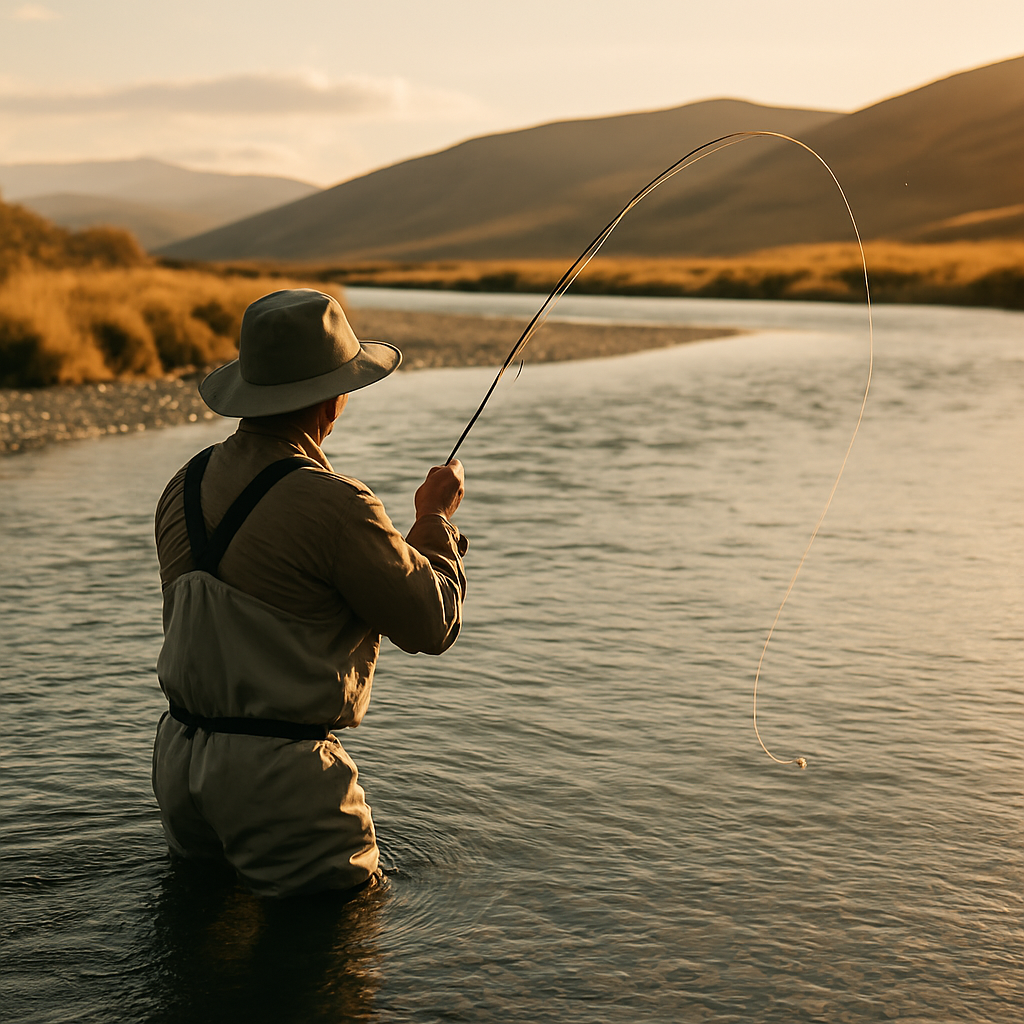
Keep sessions short, bring snacks, and make a game of learning knots or identifying bugs. Use simple rigs, soft plastic lures or small baits that are easy to handle. Praise attempts rather than catches — and pack a small first aid kit (hooks and kids sometimes collide).
Planning Your Scenic Route: Gear, Weather, and Safety Tips for Outdoor NZ
Good planning multiplies enjoyment and reduces stress. When your aim is to enjoy Scenic Routes and Trails without drama, a little forethought about gear, weather and safety is priceless.
Essential Gear and Packing Tips
- Navigation: paper topo map + compass, and a GPS or phone with offline maps. Batteries die — bring spares.
- Clothing: a layering system—base, insulating layer, and waterproof shell. Good boots, a warm beanie and gloves for alpine mornings.
- Paddling kit: a properly fitting lifejacket (worn), spare paddle, drybags and a pump for kayaks.
- Fishing/hunting: licences, appropriate tackle, blaze clothing for hunting, and a simple game recovery plan if Du’re hunting in remote areas.
- Emergency: PLB or satellite messenger, first aid, headlamp, and enough food for an extra day.
- Biosecurity: clean boots, nets and gear between waterways to stop pest spread.
Understanding Weather and Timing
Check MetService forecasts and region-specific notices before Du leave, and factor in local microclimates. Mountainous areas create surprise downpours; coasts can be windy even on calm inland days. Aim to start early on hikes and paddles to avoid afternoon storms and to make the most of calmer morning conditions for fishing.
Safety Principles for Rivers, Coasts and Backcountry
- Never go alone into remote areas. Even a short trip is safer with a mate.
- Tell someone exactly where Du’re going and when Du’ll be back; update them if plans change.
- Check tide times for coastal paddles and estuary crossings — tides alter access dramatically.
- Rivers rise fast after rain; avoid risky crossings and never underestimate cold water.
- Carry a PLB or satellite messenger for remote alpine, fiordland or offshore trips.
- Follow DOC hut rules, and get permission for private land hunting; respect cultural sites and local communities.
Licences, Permits and Regulations
Freshwater fishing licences are mandatory; saltwater rules are region-specific with bag and size limits. Hunting often requires permission on private land and may require tags or permits for certain species. Check Fish & Game and DOC resources for the latest rules — they change, and being on the right side of regulations keeps our wild places open to everyone.
FAQ — Common Questions About Scenic Routes and Trails
Do I need a licence to fish in New Zealand?
Short answer: yes for freshwater. Freshwater fishing requires a licence from the regional Fish & Game organisation. Saltwater (coastal) fishing has bag and size limits and local regulations, but it usually doesn’t require the same licence. Always check the regional rules before Du cast a line to avoid fines and protect fisheries.
When is the best time to plan Scenic Routes and Trails for fishing, hunting and canoeing?
Timing depends on the pursuit: summer (Dec–Mar) generally gives the best weather for multi-day tramps and paddles, while spring and autumn can be prime for trout feeding. Hunting seasons differ by species and region — check DOC and local hunting notices. If Du’re after fewer crowds, aim for shoulder seasons but be ready for more variable weather.
Are coastal kayak trips suitable for beginners and families?
Yes — if Du pick sheltered bays and hire a guide or take a short guided trip. Abel Tasman and many inlets in the Marlborough Sounds are ideal for beginners. Always check tides and weather, wear a lifejacket, and keep trips short with children to avoid fatigue and cold exposure.
What safety gear should Du carry for remote Scenic Routes and Trails?
At minimum: a personal locator beacon (PLB) or satellite messenger for remote trips, a first aid kit, navigation (map/compass/GPS), warm layers and waterproofs, headlamp, and spare food. For paddling: a properly fitting lifejacket and a spare paddle. Tell someone your plan before Du leave and stick to conservative margins for timing.
Can Du combine scenic drives with short fishing stops? How to plan?
Absolutely. Build flexibility into your itinerary: plan morning drives with midday fishing in estuaries or river pools, and allow extra time for late-afternoon checks on tide or light conditions. Local visitor centres and anglers often have up-to-date info on access and likely hot spots.
Where is the best family-friendly water for beginners learning to canoe or kayak?
Look for sheltered lakes and sounds — Abel Tasman, Marlborough Sounds, Lake Taupō bays, and small South Island lakes like Mapourika. Guided hire operators often provide child-appropriate boats and lifejackets; this is a smart way to get started safely.
Do I need permission to hunt on public land?
Hunting rules vary. Much public conservation land allows recreational hunting but may have specific restrictions, permit requirements or seasonal closures. Private land always needs landowner permission. Check DOC and regional hunting notices and stick to legal and ethical practices.
How do tides and river levels affect Scenic Routes and Trails?
Tides and river flows can change access dramatically. Coastal paddles and estuary crossings require tide checks; some beaches aren’t safe at high tide. Rivers rise quickly after rain, making wading and launches dangerous. Always check local tide tables and recent rainfall reports before setting off.
What about biosecurity and protecting waterways?
Clean boats, gear and boots between waterways to avoid spreading pests like Didymo or other invasive species. Use recommended cleaning methods and dry times. Respecting biosecurity helps keep fisheries and trails healthy for everyone.
Wrap-Up: How to Pick the Right Scenic Route and Hit the Water or Ridge with Confidence
Pick a route that matches your skill, interest and the season. If Du’re after Scenic Routes and Trails that match a specific pursuit, start with the ones on this list and scale up: do a short day walk plus a lazy afternoon of fishing before trying multi-day alpine passes. When Du return, share the good spots, pack out what Du packed in, and maybe drop a note to a local operator or DOC office — a little local support goes a long way.
If Du want a suggestion tailored to your dates, party size or skill level — say whether Du’ve got young kids, a keen fisher, or a new hunter in the group — tell me and I’ll sketch a custom route with suggested camps, huts and likely fish or game hotspots. New Zealand’s Scenic Routes and Trails are waiting; choose one, pack smart, and enjoy the ride.