Discover the Best NZ River Spots: Catch, Paddle, and Lose Yourself in Scenery — Then Plan Your Next Adventure
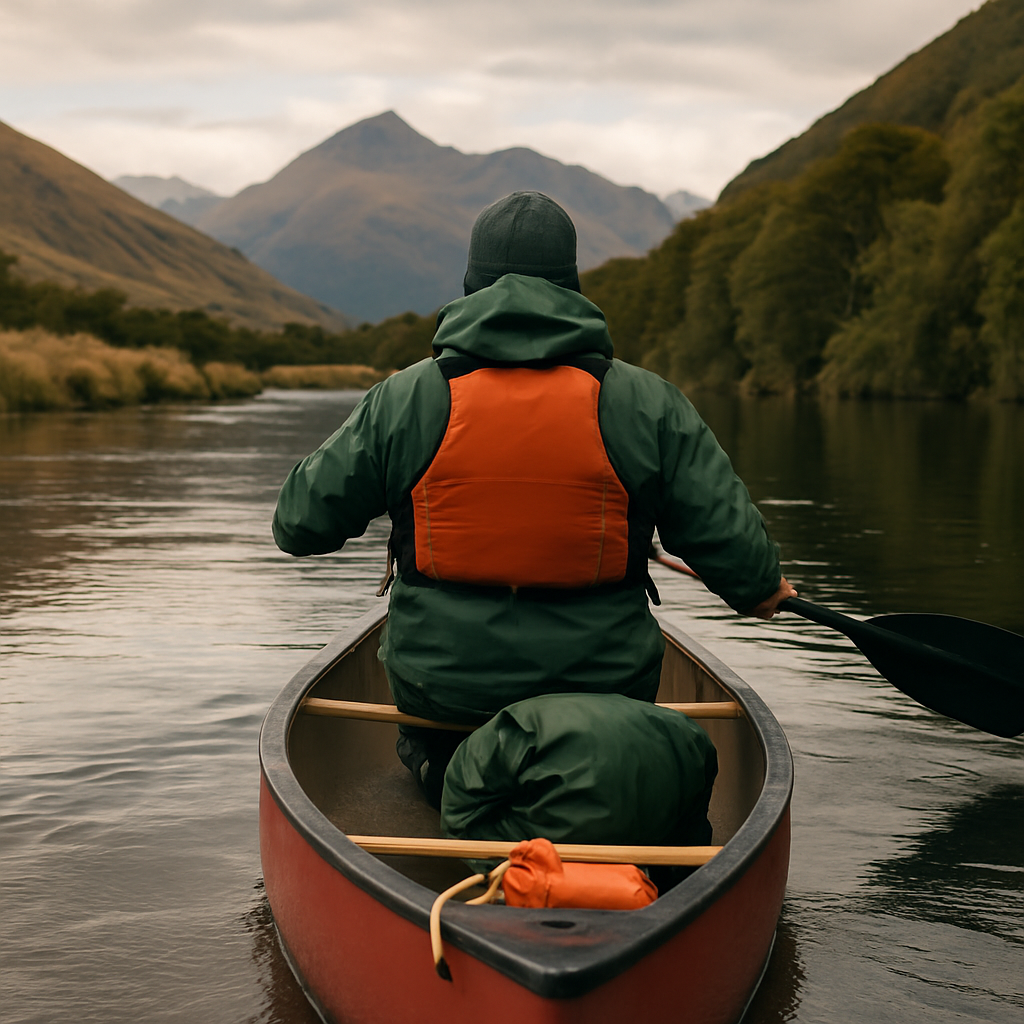
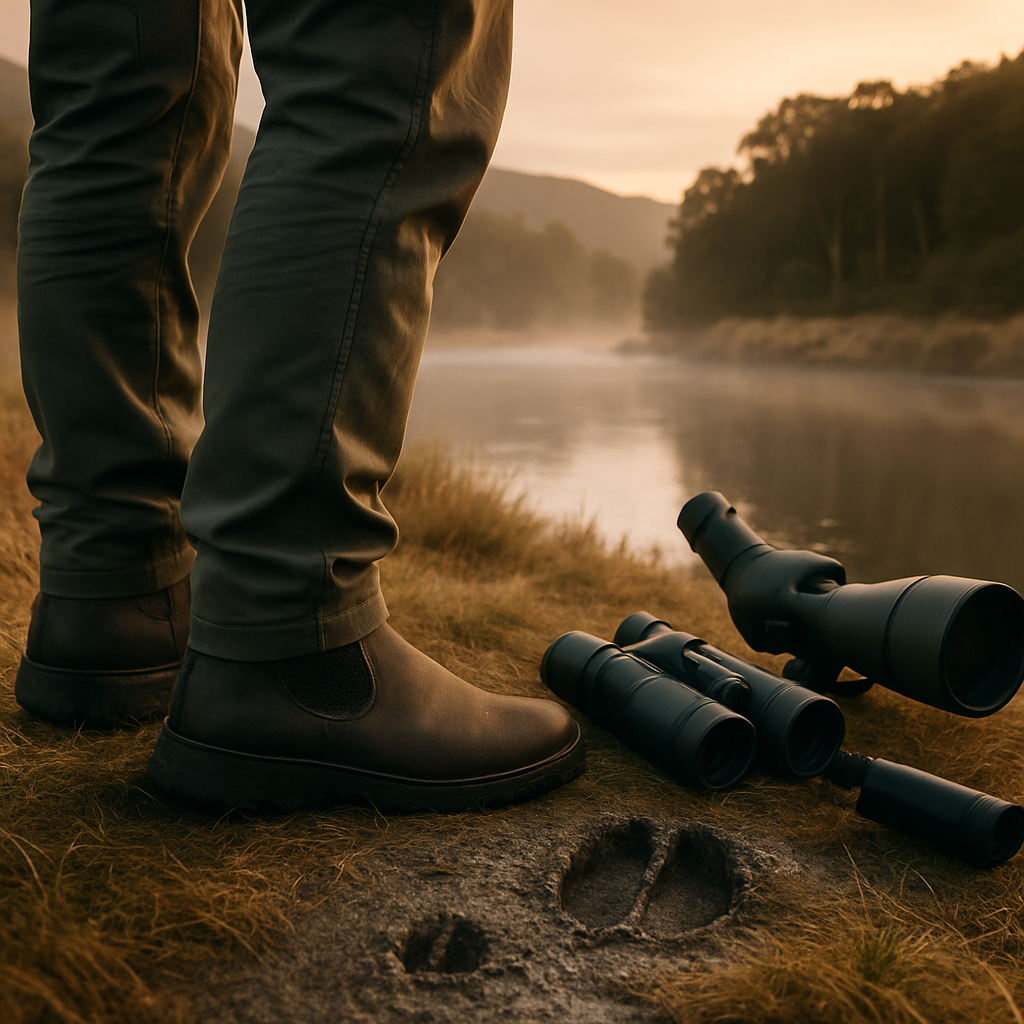
Imagine casting into glassy water framed by alpine peaks, or drifting in a canoe as native forest slides by like a slow-motion movie. Whether you crave the thrill of landing a brown trout, the quiet satisfaction of a paddle through a gorge, or simply a camera-ready vista to hang on your wall, the Best NZ River Spots deliver. This guide will pull you straight into the rivers that matter, show you when to go, where the hidden gems hide, how to access them respectfully, and what safety kit will keep you grinning at the end of the day — not shivering on the bank.
If you’re the kind of person who likes to dig a bit deeper before heading out, you’ll appreciate resources that go beyond glossy photos. For practical tactics, species notes, and in-depth river recommendations, check out Fishing Insights, which collects hands-on articles that help you decide tackle, flies, and beats for a wide range of New Zealand rivers. It’s the kind of reading that saves you time and gets you on the water with confidence.
Stories teach lessons faster than lists. If you want to learn from real trips — the mistakes, the lucky breaks, and the kind of local knowledge you can’t find on a map — read through some Personal Fishing Stories and Lessons. The narratives cover everything from improvised rescues to trick flies that turned a slow day into a banner one, and they’re packed with practical takeaways you can apply on your next float or wade.
Timing matters more than you think, and seasonal nuance will change how a river fishes and how safe it is to paddle. For a quick primer on what to expect month-by-month and how to switch tactics as temperatures and flows change, consult the Seasonal Fishing Tips guide — it’s full of realistic advice about hatches, water levels and when to bring what gear so you aren’t caught out by a sudden change in conditions.
Best NZ River Spots for Fishing, Canoeing, and Scenic Views
New Zealand’s rivers are as diverse as the country itself. Some are broad, braided giants; others are tight, clear alpine threads. Below are the rivers that repeatedly top locals’ lists for scenery, fishing quality, and paddling. I’ll tell you what each river offers and how to get the most from your visit.
Whanganui River (Central North Island)
The Whanganui is more than a river — it’s a taonga (treasure) with deep cultural significance and legal personhood. For paddlers, it’s a classic multi-day journey through native bush, carved cliffs, and historical river settlements. Expect sheltered paddling, some tidal influence in the lower reaches, and an atmosphere that feels ancient and slow.
Why visit
Great for multi-day canoe trips, scenic photography, and mellow fishing in backwaters and tributaries. If you want history with your paddle, you’ll love it.
Rangitikei River (Manawatū-Whanganui)
Think dramatic gorges, sky-high cliffs, and whitewater potential. The Rangitikei’s gorge sections are jaw-dropping — white limestone walls and emerald pools. It’s built for thrill-seekers and photographers alike.
Why visit
Excellent canyon scenery, solid trout beats in secluded tributaries, and short, intense paddling runs for experienced crews.
Rakaia & Waimakariri Rivers (Canterbury)
These are braided rivers near Christchurch with strong runs of salmon and trout. The sprawling shingle beds shift after floods and make for unique, ever-changing channels. Anglers come for the salmon seasons; paddlers take to calmer side channels and tributaries.
Why visit
Day-trip friendly access, major angling opportunities, and landscapes that look like another planet when the late light hits the gravel.
Kawarau & Clutha/Mata-Au (Otago)
Otago delivers intensity: the Kawarau mixes commercial adventure (think bungy and rapids) with trout beats, while the Clutha/Mata-Au roars as New Zealand’s largest-volume river. You’ll find remote stretches, powerful flows, and stunning Southern light.
Why visit
Strong salmon and trout runs, varied paddling options — from mellow floats to robust long-distance trips — and iconic Otago vistas.
Tongariro River (Central North Island)
Clear, cold, and famously reliable for trout fishing, the Tongariro sits beneath volcanic peaks for dramatic backdrop shots. It’s compact and accessible — perfect as a day trip if you don’t want multi-day logistics.
Why visit
Some of the country’s most consistent fly-fishing water, with dramatic volcanic scenery to boot.
Mataura & Oreti Rivers (Southland)
These Southland rivers are classic trout country. Long pools, willow-lined banks, and fewer crowds help make for peaceful floats and great wading beats.
Why visit
Local angling traditions, steady trout populations, and a sense of solitude you don’t always find in busier regions.
Heaphy River (Kahurangi National Park)
Remote, rugged, and part of a legendary walking track, the Heaphy feels like stepping into the wild. It offers beach exits, native birdsong, and a real sense of getting away from it all.
Why visit
Backcountry paddling and photography, mixed with an unforgettable Kiwi wilderness vibe.
Best Time to Visit New Zealand Rivers for Prime Fishing and Quiet Paddling
Timing your river trip is crucial. Water levels, fish behavior, access restrictions and visitor numbers all vary through the year. Here’s a practical breakdown by purpose and season.
For fishing
– Spring (September–November): As waters warm and insect hatches begin, trout become more active. Spring is excellent for sight fishing and dry-fly action on many inland rivers, but be prepared for variable flows from snowmelt in alpine systems.
– Summer (December–February): Long daylight hours and stable weather make summer popular. Low, clear flows can concentrate fish and require stealth. Early mornings and late evenings often produce the best surface action.
– Autumn (March–May): Arguably the best overall season—cooler water temperatures, dependable hatches, and strong feeding before winter. Salmon runs in certain rivers can also peak in autumn.
– Winter (June–August): Challenging but productive for experienced anglers who adapt tactics. Rivers are colder and flows can be high; however, trout will take nymphs and streamers in certain runs.
For canoeing
– Spring: Higher flows following snowmelt can offer thrilling paddling on Grade 2–4 sections, but increased hazards and cold water demand good skills and equipment.
– Summer: Most popular for recreational paddling and multi-day trips, especially on rivers like the Whanganui and calmer tributaries. Expect more people; book huts/campsites if relevant.
– Autumn: Lower flows and crisp weather make for beautiful paddling with fewer crowds—ideal for scenic floats and fishing-paddle combos.
– Winter: Best left to experienced paddlers familiar with flood conditions; many rivers can become dangerous.
Hidden River Gems: Lesser-Known NZ Rivers with Big Rewards
Want fewer people and more solitude? These lesser-known rivers deliver wildlife, peace and quality fishing or paddling—often at the cost of tougher access and a need for self-reliance.
- Mararoa River (Southland): Quiet, scenic, and renowned among locals for trout—great for wading and small-boat fishing.
- Awatere River tributaries (Marlborough): Remote gravel-bed streams that hold surprised pockets of trout and offer peaceful paddling in low flows.
- Wairau River headwaters (Marlborough): High-country scenery, fewer visitors and excellent riverbed fishing in back-country pools.
- Motueka River upper reaches (Tasman): Offers crystal-clear waters, some excellent trout beats and scenic canyon sections for paddlers.
- Matukituki River (Western Lake District): Stunning alpine views, glacier-fed clarity, and rewarding fishing where access routes are used by hikers and hunters.
A Local’s Guide to Access, Permits, and Respectful Paddling on NZ Rivers
New Zealand’s rivers flow through a mix of public conservation land, Māori-owned riverbeds, and private farmland. Being respectful keeps access open and supports local communities.
- Check land access: Many great river beats require crossing private land. Always use marked access points, obey signs, and avoid short-cutting fences or gates. When in doubt, contact the local council or landowner for permission.
- Permits and concessions: Some popular routes, guides and commercial operators need concessions (e.g., sections of the Whanganui). If you plan guided activities or to camp in sensitive areas, check Department of Conservation (DOC) requirements and regional authority rules.
- Respect Māori values: Rivers have cultural significance to iwi (tribes). Pay attention to local kawa (protocols), signage and requests. Avoid leaving offerings or taking culturally sensitive items.
- Leave no trace: Pack out all waste, bury organic human waste where appropriate and avoid polluting water. Keep noise to a minimum to protect wildlife and other visitors’ experiences.
- Follow fishing regulations: Seasons, size limits and bag limits vary by region—check local rules before you fish. Some areas have closures to protect spawning or to support restoration work.
Safety First: Essential Gear and River Safety Tips for New Zealand Waterways
Rivers can change quickly—from calm pools to fast, cold flows. Prioritize safety: your preparation and equipment choices can be the difference between an enjoyable day and a dangerous situation.
Core safety principles
– Always respect river conditions. If a section looks unsafe at current flow or after heavy rain, don’t attempt it.
– Float plan: tell someone where you’re going, your expected return time and the route you’ll take.
– Know your limits. Choose rivers that match your paddling or wading experience.
- Personal Flotation Device (PFD): Wear a well-fitted lifejacket at all times when on the water. Even calm-looking stretches can hide hazards.
- Helmet: For rivers with rapids or rocky sections, use a helmet designed for whitewater.
- Appropriate clothing: Dress for immersion—wetsuits or drysuits in cold conditions. Hypothermia is a real risk in alpine-fed rivers.
- Safety kit: Bring a throw bag, river knife, whistle, first-aid kit, repair kit for boats, and a means of communication (PLB or VHF/rugged phone).
- Navigation & rescue skills: Learn river-reading, self-rescue and assisted-rescue techniques. Practice upstream eddy-turns, ferry glides and T-rescues in safe environments before trying dynamic rivers.
Fishing-specific safety tips
– Wading: Use a wading staff and wear boots with good grip. Test each step—submerged rocks can be slippery, and currents can be stronger than they appear.
– Hooks and sun protection: Use barbless hooks where appropriate for easier releases and carry a compact hook removal tool. Wear sun protection—glare off water increases UV exposure dramatically.
Seasonal Tips: What to Expect from Spring to Autumn on NZ Rivers
Understanding typical seasonal rhythms helps you choose the right gear, timing and technique.
Spring (September–November)
– Rivers often rise from snowmelt and rain, especially in alpine catchments. Expect more variable flows and colder water temps.
– Insects begin emerging—dry-fly fishing becomes productive on many lowland rivers as the season progresses. Plan for muddy roads and limited access after heavy rain.
Summer (December–February)
– Warm days and low flows on many rivers make for mellow paddling and easier access to wading beats. Early morning and late-evening sessions are usually the best for fishing.
– Expect more visitors; if you want solitude, target lesser-known tributaries or head to high-country rivers.
Autumn (March–May)
– Cooler nights and more stable flows make autumn prime for both paddling and fishing. Trout feed heavily in preparation for winter, and many anglers find consistent hatches and catches.
– Riverbanks turn golden and the light is often outstanding for photography—perfect for combined fishing-paddling scenic trips.
Winter (June–August)
– Cold, high flows and unpredictable weather call for caution. Rivers draining snowy ranges can be extremely hazardous; many sections are best avoided unless you have alpine experience and the right equipment.
– Fishing can be rewarding for those who adapt to nymphs and streamers in cold water, but days will be shorter and conditions tougher.
FAQ — Common Questions About the Best NZ River Spots
Which are the Best NZ River Spots for a first-time angler or paddler?
For your first trip, pick rivers with easy access, predictable conditions, and nearby services. The Tongariro, lower Whanganui stretches, and parts of the Rakaia have accessible day beats and calmer paddling options. These spots let you focus on basics—wading, casting, or paddling—without worrying about remote logistics. Book a local guide for your first run if you want a smoother learning curve; they’ll save you hours of guesswork and help you avoid risky sections.
When is the best time to visit for prime fishing and quiet paddling?
Late spring and early autumn usually hit the sweet spot: insect hatches are active, flows have settled from spring melt, and visitor numbers are lower than peak summer. Autumn feeds are particularly productive for trout as they build condition for winter. If you want long daylight and stable weather, aim for summer—just be prepared for more people and potentially lower water clarity on some lowland rivers.
Do I need permits to fish or paddle in New Zealand rivers?
Fishing and camping rules vary by region. You’ll generally need a fishing licence for freshwater trout and salmon (buy these online from regional councils). Some conservation lands, hut stays, or guided commercial trips require DOC bookings or concessions. Private land access also needs permission from landowners. Check DOC and local council sites for up-to-date permit and booking info before you travel to avoid fines or denied access.
How do I find current river flow and weather info?
Use regional council river flow gauges, MetService, and local DOC alerts for the best real-time info. Many councils have online gauge maps showing flow rates and trends; compare current flows to typical ranges for the river section you plan to use. Also check recent rainfall upstream—flows can spike hours after storms. If you’re unsure, ask local tackle shops or guides; they often have the most practical, current intel.
What safety gear should I never go without?
At minimum: a well-fitted PFD when you’re on the water, a throw bag, suitable cold-water protection (wetsuit or drysuit in alpine rivers), and a reliable communication device (PLB or satellite messenger in remote areas). For whitewater or rocky runs, add a whitewater helmet and river knife. Practice with your kit before hitting technical water; gear only helps if you know how to use it under stress.
Are guided trips worth the cost?
Absolutely—especially for technical rivers, new regions, or multi-day logistics. Guides provide local knowledge on flows, fish behaviour, and safe put-in/take-out points, plus they supply rescue skills and often the right kit. For a modest premium, you get far more productive fishing and lower risk. If you want to learn quickly or try a technical river like a Rangitikei gorge section, hire a guide for the first trip.
How can I respect Māori cultural values on rivers?
Treat rivers as taonga: observe signage, avoid wāhi tapu (sacred sites), and don’t remove artifacts or materials. If a river is known to have iwi management or specific tikanga (protocols), seek guidance from local marae or iwi websites. A simple approach—ask permission, be polite, and follow local rules—goes a long way. Showing respect helps preserve access for everyone and deepens your understanding of place.
What are the most common seasonal hazards to watch for?
Spring snowmelt and heavy rain can quickly raise flows and change channels on braided rivers. Summer brings low, clear pools that make fish spooky and can expose obstacles; autumn can have sudden cold snaps; winter risks hypothermia and icy access tracks. Always check upstream weather, understand how seasonal changes affect the river you’ll use, and have an escape plan if conditions turn.
How do I choose the right flies or lures for NZ rivers?
Match the hatch where possible: mayflies, caddis, and chironomids are big players in spring and summer on many rivers. Nymph rigs and streamers work year-round, especially when water is cold or coloured. Local tackle shops and guide services can tell you what’s working right now—so call ahead or check recent trip reports. A small selection of reliable patterns often outperforms an overloaded box of untested flies.
How should I plan logistics for multi-day canoe trips?
Plan put-in/take-out points, arrange transport (shuttle or friends), and book DOC huts or campsites where needed. Factor in food, water purification, waterproof kit, and spare paddles or repair materials. Check for concessions on sections like the Whanganui, and leave a detailed float plan with someone who’ll raise the alarm if you don’t return. Flexibility matters—river conditions or weather can force route changes on multi-day trips.
Planning Checklist
- Choose river section that matches your skills.
- Check current local water levels and weather forecast.
- Confirm access points and permit requirements.
- Pack safety kit, PFD, appropriate clothing and communication device.
- Inform a reliable contact of your float plan and expected return.
- Respect landowners, iwi protocols and DOC rules—leave no trace.
Final Notes
New Zealand’s rivers are as varied as the landscapes they cross—each offers its own rewards and challenges. By matching season to activity, preparing with the right gear and respect for local rules, you’ll improve your chances of memorable fishing, serene paddling or dramatic river adventures. Whether you’re chasing trout in a clear high-country stream, floating past native forest on a multi-day canoe trip, or scouting for quiet backwaters, plan carefully, travel respectfully and put safety first.
Ready to plan your trip? Start with a shortlist of rivers above, check local conditions, and consider hiring a guide for unfamiliar or technical sections. The rivers will reward careful preparation with some of New Zealand’s best outdoor experiences.
Ready to plan your next trip? Pick a river, set a date, and go. We’ll be waiting to hear which hidden beat or classic run stole your heart.