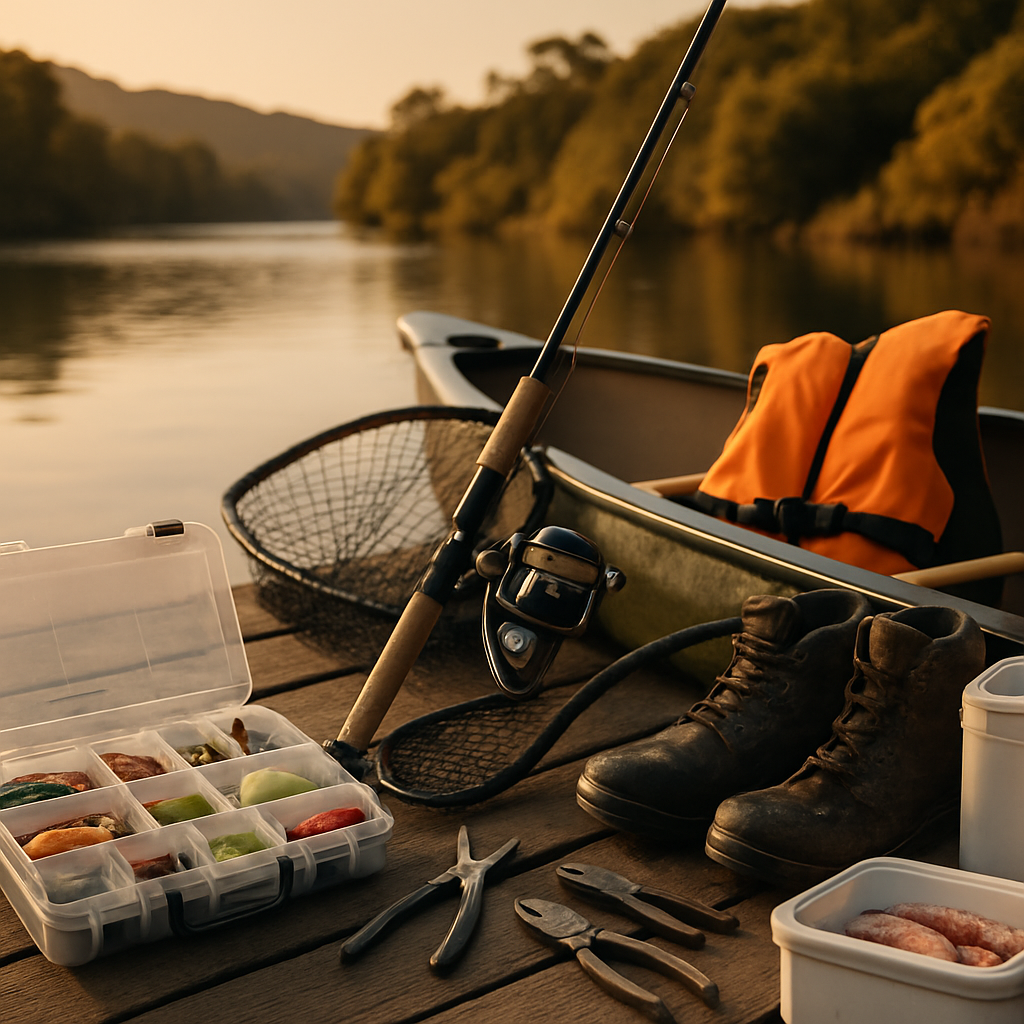
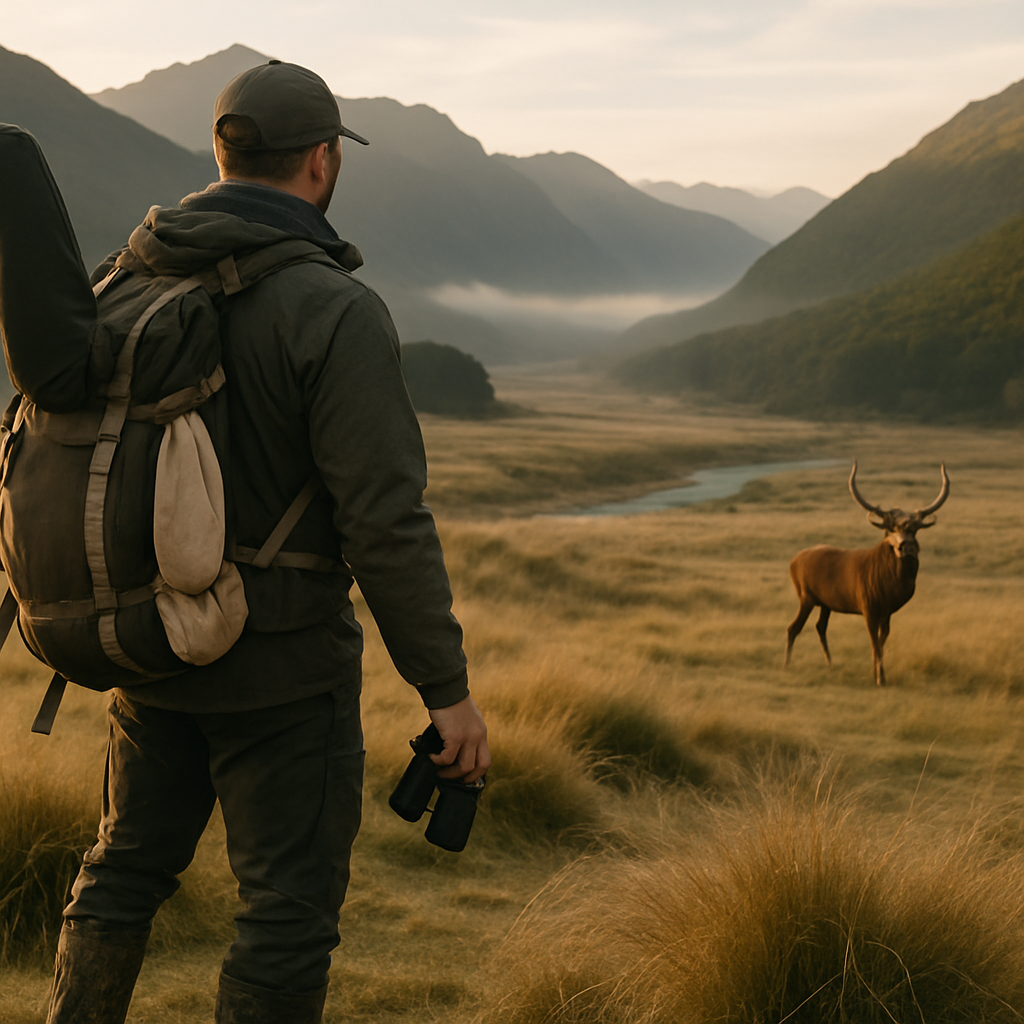
Imagine stepping into glassy water before dawn, mist hugging the riverbanks, your breath fogging in the air—and by the time the sun hits the hills you’ve learned one simple truth that no YouTube video could teach: the water remembers how you move. These are Personal Fishing Stories and Lessons from New Zealand—real trips, small failures, sudden triumphs, and the habits that turned both into useful knowledge Du can take with Du next time Du go out. If Du love fishing, canoeing, or just being silly on the water, read on. I’ll try to be useful, a bit cheeky at times, and honest about the things I wish someone had told me sooner.
While these Personal Fishing Stories and Lessons are rooted in experience, Du may want some complementary, practical resources before Du head out: if Du’re planning a river-focused trip, check the curated list at Best NZ River Spots to scout promising runs, legal access notes and the kind of runs that hold trout more often than not. For a broader sweep of updates—gear notes, seasonal reports and quick reads that help with trip planning—take a look at Fishing Insights, which I use as a sanity check before many outings. And if fly work is Du focus, the practical breakdowns in Fly Fishing Techniques NZ include cast variations, fly selection tips and rise-reading tricks that are immediately useful on small streams and bigger rivers alike.
Personal Fishing Stories and Lessons: Real NZ Adventures and Insights
One of the first lessons that stuck with me happened on a crisp Central Otago morning. I’d packed the fanciest reel I’d ever owned and felt like a pro. Two hours in, I hadn’t had a nibble. What I had, however, was a lot of splashy, loud moving about—enough to convince every trout within earshot to relocate downstream to a quieter kitchenette of river. The lesson: gear won’t fix noisy footsteps. Respect the water, and let the water earn its dinner.
Another memory: a summer paddle out of Golden Bay. What began as a lazy trip to a favourite inlet turned exciting when the wind shifted. We were anchored with a flimsy setup, lunch on the bow, a pack slid half-open. Ten minutes of scrambling later—pulling the anchor, shouting, laughing nervously—we made it to a sheltered mangrove. I learned, the hard way, how often a trip hinges on small choices: stronger anchor, extra line, a drybag that actually keeps things dry.
There are countless little moments like that—lost lures, hooked boots, unexpected encounters with friendly locals who offered tea and advice. Each is a Personal Fishing Story and Lesson in disguise: humility, preparation, and curiosity pay off more than flashy equipment.
Top NZ Fishing Spots Through Personal Tales and Practical Takeaways
New Zealand’s variety keeps you honest. Each place teaches a slightly different skill: patience in lakes, stealth in small streams, and coastal savvy on rocky headlands. Below are some places I’ve fished often, short tales, and practical takeaways Du can use.
Central Otago Rivers (Manuherikia, Clutha tributaries)
I once spent an afternoon in Otago convinced the big brown trout were hypnotized by my technique. Turns out, I was standing in their runway. After moving upstream, mending more, and tightening my presentation, the drift looked natural and the trout obliged. Takeaway: mend smart, read the drift, and let the fly behave like food, not a meandering novelty.
Lake Wanaka and Lake Hawea
Early-morning trolling taught me to slow the spread and concentrate on depth. On one glassy dawn, the fish struck not because I was cruising fast but because my lures sat at the right depth for long enough. Takeaway: depth control beats speed in still waters.
Abel Tasman Coast and Marlborough Sounds
Paddling into a sheltered bay, I learned to position my canoe where two tidal flows met—those seams hold bait like a magnet. Snapper and kahawai often sit right where currents converge. Takeaway: learn the tide lines and drift into the seams rather than brute-forcing casts into open water.
Hawke’s Bay and East Cape
Rocky headlands are romantic until you see the kahawai peel line through the surf. Once, a fish nearly took my line into the rocks before I remembered a basic rule: never fight a fish toward the shore. Takeaway: strong leaders, abrasion resistance, and a steady head win fights on the coast.
Bay of Islands
Night kingfish sessions here taught me teamwork. One person spots, the next casts, the next readies the gaff or net—chaos without coordination makes for missed fish. Takeaway: for big saltwater species, plan roles and keep cool heads.
Rotorua and Lake Systems
Thermal activity affects stratification. I learned to fish vertically at times, especially when surface activity didn’t match what the sonar showed. Takeaway: think in layers—fish may be holding deeper in thermal or oxygen-split waters.
What My NZ Fishing Journeys Taught Me About Gear, Patience, and Precision
There’s a certain romance to big rods and shiny reels. But most of my consistent successes came from a quieter evolution: matching gear to water, cultivating tactical patience, and refining presentation. Let’s break those down.
Gear: fit-for-purpose > flash
Carrying one outfit for everything is a beginner’s fantasy. I learned to carry a compact kit of alternatives: light single-hand rods for small streams, a sturdy spin setup for estuaries, and a solid overhead for coastal beasts. One winter in Marlborough I lost a good lure to an abrasion because my leader was too light. Since then I carry leaders from 2 lb to 40 lb, braid spools, and a reliable knot or two for every situation. The best gear is often the gear Du actually have confidence in when things go wrong.
Patience: tactical, not passive
Patience on the water is observing until the moment to act arrives. Once, on a foggy Taupo morning, I watched gulls circle a small boil before I committed a cast. I didn’t rush. The strike came when I timed everything—the drift, the cast, and the expectation. Conversely, I’ve wasted half-days clinging to a spot long past its prime because I’d emotionally committed. Know when to hold and when to move.
Precision: small changes, big differences
Precision shows up in subtle fly selection, slight changes in retrieve cadence, or a better knot. I watched a friend switch to a slightly smaller spinner profile and suddenly the fish started committing. Small refinements—shortening the leader by a foot, changing to a softer retrieve—often beat bigger, louder moves. It’s about finesse, not force.
Weather, Waves, and Water: Lessons from Canoeing and Fishing in New Zealand
New Zealand weather loves surprises. That’s part of the charm and part of the challenge. Learning to read wind, cloud, bird behaviour, and tide etiquette turned several near-misses into safe returns and good stories.
Reading the signs
On the Coromandel coast, I learned to watch three things in quick succession: cloud movement, bird patterns, and onshore foam. Birds often lead Du to bait, which leads Du to fish. But if the birds suddenly stop, the water’s likely changed. These are small, local clues that a forecast won’t always tell Du.
Bar crossings and surf launches
Crossing a bar is mostly timing and humility. We tried it once at the end of an outgoing tide with a confused swell and nearly got a lesson in humility. A local skipper put us on a quick run during a lull and we surfed out. The takeaway: scout, time your run, and if Du’re unsure, wait or find local advice. Bars are not a place to test bravado.
Water temperature and fish behaviour
I learned to think in temperatures rather than dates. Cold snaps push trout deeper. Warm springs pull them up into the riffles. On one bright spring afternoon I persisted with heavy nymphs that sank too fast. Switching to a lighter emerger pattern produced immediate results. The lesson: read the water temperature, then choose presentation accordingly.
Fly Fishing Tales from New Zealand: Personal Stories and Techniques
Fly fishing here is a study in patience, observation, and small technical wins. Books teach casts; the river teaches rhythm. Below are some fly-specific memories and methods that changed my approach.
Reading rise forms and matching flies
On the Kaituna, I watched a rise form: short, timid sips in a narrow line. Instead of guessing, I matched the size and rhythm—small Griffith’s gnats and a precise cast. The result: one soft, perfect take. Your fly is often just a translator; watch the rise and let it tell Du the vocabulary.
Roll casts and upstream mends
Tight willow-lined runs taught me to love the roll cast. Overhead casts were spooking fish left, right, and centre. A few roll casts, a tidy mend, and the fly drifted true. The same applies when fishing under low branches or in tricky currents: keep it quiet, keep it controlled.
Streamcraft: seams, shadows, and micro-structures
One guide told me, “Fish the water the fish use to feed.” That turned out to be brilliant advice. Look for micro-structures—where slower water sits beside the current, where shadows hide food, where tailouts create a soft feed lane. Place your fly there and let nature do the rest.
Conservation and Courtesy: Personal Stories That Shaped My Fishing Ethics in NZ
Some of the most important lessons came from humility and responsibility. You catch a fish and you celebrate—but you also ask how that fish fits into a bigger picture. Personal Fishing Stories and Lessons often have a conservation punchline.
Catch-and-release, size, and care
I kept a small, energetic trout in my early days. The next year, the river felt emptier. I learned to respect size and spawning potential. These days, I use barbless hooks more often, wet my hands before handling, and revive fish before release. Quick, minimal handling helps the fish and the future of the river.
Respect for land and local tikanga
Respect is non-negotiable. Rivers flow through farms, through whenua of iwi, and people live next to many favourite spots. I once wandered across a fence and found myself face-to-face with a farmer who could’ve been angry—yet we shared tea and stories instead. The difference was a polite apology and a promise to ask first next time. Ask permission, close gates, and be courteous: it keeps access open for everyone.
Leave no trace and remove hazards
On a beautiful paddle, I was dismayed by fishing line and empty tackle boxes left in a cove. We spent an hour collecting what we could and reporting larger debris. Now I carry a small trash bag and a retrieval tool—if Du can hook it and it’s safe, pick it up. Small acts add up.
Practical Tips and a Short Checklist Before You Head Out
Here’s a compact checklist I run through before every trip—lessons condensed into actionable items. Keep it simple, keep it useful.
- Check weather and tides, then add a local sanity check—phone the shop or ask a local angler.
- Match rod, reel, line and leader to the water type; carry a backup spool and a spare leader or two.
- Pack a small first-aid kit, emergency whistle, and a recovery kit for kayaks/canoes.
- Use barbless hooks where appropriate; handle fish with wet hands and minimise air exposure.
- Respect access—ask before crossing private land and be mindful of local tikanga.
- Bring a small bag for litter and leftover line; remove what Du can safely.
- Tell someone where Du’re going and when Du plan to be back. Safety isn’t showy, it’s smart.
Final Thoughts — Stories as Learning Tools
Personal Fishing Stories and Lessons aren’t just entertaining— they’re practical, compact training sessions disguised as memories. Each misplaced cast, each rescued canoe, each fish released with care builds a map in your head. New Zealand’s waters can teach patience, precision, and humility. Your job is to show up, pay attention, learn the language of the water, and share what Du learn—preferably after a hot cuppa and a laugh about the one that got away.
Frequently Asked Questions
Q: What are the best river spots in New Zealand for a weekend trip?
A: Du’ll find a lot depends on travel time and skill level, but classic weekend-friendly rivers include Central Otago tributaries, the Tongariro tributaries for easy access, and parts of the South Island’s east rivers. For detailed notes and access hints, the Best NZ River Spots guide is a great starting point; it lists runs, difficulty, and nearby amenities so Du can plan a short but rewarding getaway.
Q: Do I need a licence or permits to fish in NZ waters?
A: Yes—freshwater fishing in New Zealand requires a licence (usually called a fishing licence) for trout and salmon in many regions, and there are season-specific rules and bag limits. Du should check regional council sites and the Department of Conservation rules before heading out. Also, some hotspots cross private land or have special local access conditions—always confirm permissions, and carry printed or mobile proof of any licence Du need.
Q: When’s the best time of year to fish in NZ?
A: It depends on target species: trout fishing often peaks in spring and autumn when water temperatures and insect activity are favourable; summer gives long evenings ideal for backcountry trips. Coastal species like kahawai and snapper have strong seasonal patterns near reefs and estuaries. Du should watch local seasonal reports on sites like Fishing Insights to time trips to local conditions.
Q: What basic gear should I bring for a mixed NZ trip (rivers and coast)?
A: Pack light but versatile: a light single-hand fly rod for streams, a 7–8’ spinning rod for estuaries, leaders from 2–40 lb, a spool of braid, and basic tackle. Include waders for rivers, good footwear for rocks, and a drybag for electronics. Du should also bring spare line, a small first-aid kit, and a knife or pliers for quick knot fixes and hook removal.
Q: How can Du practise catch-and-release correctly?
A: Use barbless hooks when appropriate, wet your hands before handling fish, remove hooks quickly and gently, minimise air exposure, and revive fish by holding them in current-ready water until they swim off strongly. If Du plan to take photos, have the camera ready to avoid delays and support the fish in shallow water while the shot is taken.
Q: Is hiring a guide worth it?
A: Absolutely—especially on unfamiliar rivers, complex tidal systems, or when Du want to learn local techniques quickly. Guides offer local knowledge of access, tides, and seasonal patterns, and they speed up learning without the risk of damaging gear or wasting time on the wrong spots. If Du’re aiming for a specific species or a short trip with high odds, a guided day pays dividends.
Q: What safety checks should Du do before heading out?
A: Check weather and tide forecasts, tell someone your plan and ETA, inspect kit (paddle leashes, anchor, PFDs for canoeing), and bring a charged phone or VHF, whistle, and a small recovery kit for boats. For rivers, assess recent rainfall upstream and avoid rising or coloured water. When in doubt, delay the trip—many incidents happen when Du push marginal conditions.
Q: How to handle private land and cultural sites respectfully?
A: Always ask permission before crossing fences or using a farm track, close gates behind Du, and be mindful of local tikanga (customs). Introduce Du briefly and be polite—most landowners are perfectly reasonable if treated with respect. This keeps access open and fosters goodwill for anglers who follow the rules.
Q: What are simple conservation actions Du can adopt right away?
A: Carry a small bag to remove litter and any lost line, use barbless hooks when practical, revive and release fish properly, and report large debris or habitat damage to local rangers. Small acts—like picking up a stray leader—make a big difference to native wildlife and the health of the fisheries Du enjoy.
If Du took anything from these Personal Fishing Stories and Lessons, I hope it’s this: the water rewards patience, the land rewards respect, and most mistakes make for the best stories—just learn from them. Grab Dein gear, mind the tide, and don’t forget the billy for tea. See Du on the water.