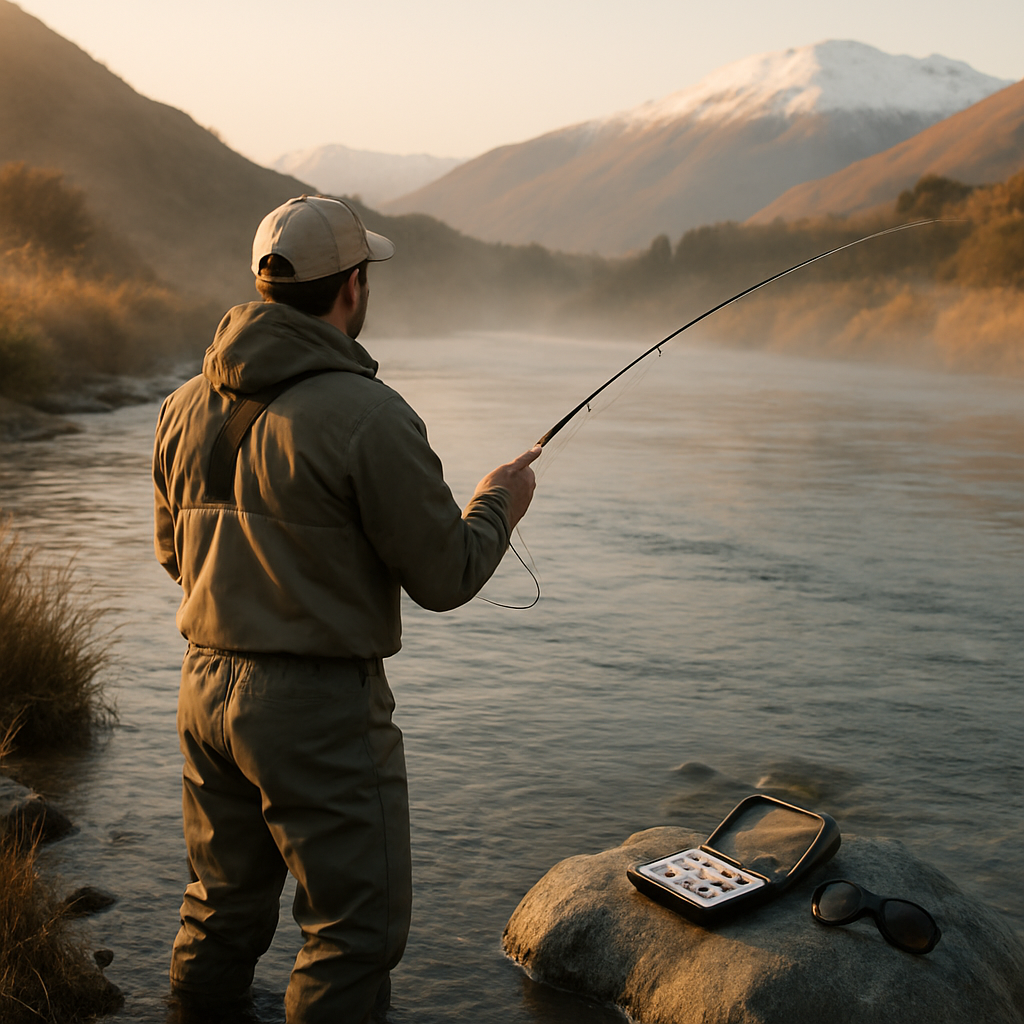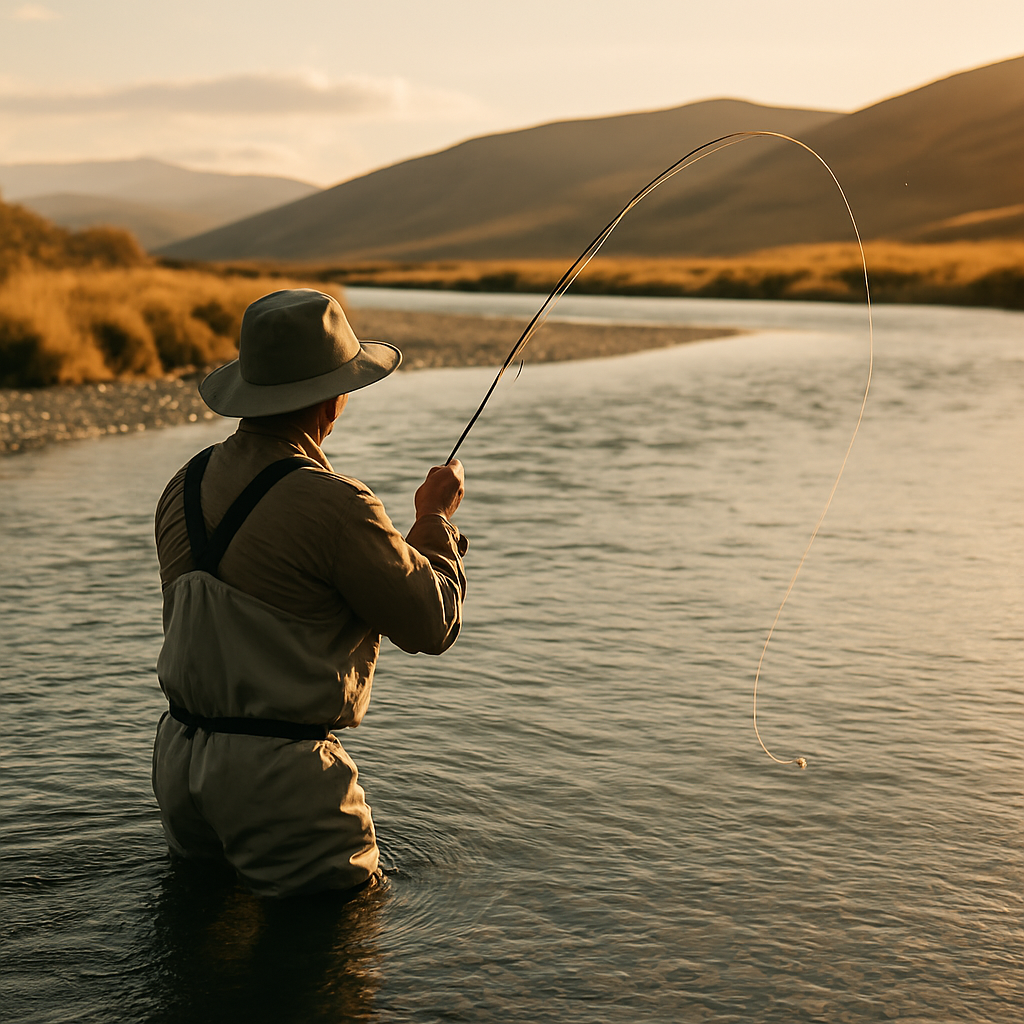
New Zealand’s rivers are a playground for anyone obsessed with angling. If Du want to catch more trout, feel more confident on the water, and make every drift count, this guide to Fly Fishing Techniques NZ brings together practical how-to, seasonal smarts, and local tricks Du can use on your very next trip. Read on — Du will find clear steps, honest trade-offs, and a few cheeky asides from anglers who’ve been soaked by more than one polar blast.
Master Dry and Wet Flies on New Zealand Rivers
Understanding dry vs wet presentations is where most anglers win or lose. In New Zealand, trout can be picky and cunning. Nailing Fly Fishing Techniques NZ means knowing when a delicate dry will fool a wary fish and when a convincing subsurface pattern will trigger an aggressive strike.
For practical, region-specific advice and updates on how insects and runs change through the year, take a look at our Fishing Insights section, which covers seasonal notes and river-specific tips that save time when Du’re planning a trip. If Du enjoy learning through others’ mistakes and successes, the Personal Fishing Stories and Lessons page shares real trip reports and teachable moments that help Du avoid common blunders. For straightforward recommendations on rods, lines, and starter kits tailored to Kiwi rivers, consult our Tackle and Gear Essentials guide, which breaks down gear choices by river type and fishing style so Du arrive ready and confident.
Dry Fly Fundamentals
Dry fly fishing rewards patience and precision. A perfect dry presentation looks effortless to the trout — it drifts naturally and refuses to drag. Du’ll often be rewarded with the most satisfying strikes: that delicate sip, the look of a trout rising, the moment Du realize the fight has begun.
- Drag-free drift: Learn reach casts and mends. Every little tug of the line is a tell; remove unnatural movement so your fly looks like a real insect.
- Match the hatch: Size, shape and silhouette matter. If Du spot mayflies, caddis or midges, find an imitation that sits similarly on the surface.
- Approach quietly: Stalking trout in NZ sometimes means stepping slowly and keeping to shadows. Fish spook easily in clear water.
- Timing your strike: Don’t be quick to set the hook at every twitch. Let the trout commit; a twitch can be a refusal. Learn the difference.
Wet Flies, Soft Hackles and Nymphs
Frankly, if Du want consistent catches, become friends with nymphs and wets. Below the surface is where most trout do their dining; it’s where incentives — like size, depth and movement — intersect.
- Dead-drift nymphing: Cast upstream and let your nymph drift naturally. Indicators help, but reading the line is just as important.
- Swinging wet flies: Swing small wets or soft hackles across the current — this imitates emerging insects and often triggers takes from territorial fish.
- Indicator choice: Keep indicators small in clear water. Foam and yarn work well, but adjust size to water speed and fly weight.
- Tight-line setups: In shallow, fast water try Euro/Polish nymphing (tight-line). Du’ll feel more takes and get better connection to the fly.
River Reading, Casting, and Presentation Tips
Getting good at Fly Fishing Techniques NZ is 20% gear and 80% river reading. Knowing where fish lie and how currents move food will make your casts far more effective.
Reading the Water
Before Du make a cast, take a moment. Watch the current seams, pick out bubbles, and decide where food will travel. The best lies are where food funnels and trout can conserve energy.
- Seams: Fast next to slow — classic ambush spots. Fish sit on the slow side waiting for food to drift by.
- Riffles and tails: Riffles are feeding highways. Tailouts are where fish move from shallow to deep to intercept drift.
- Underwater structure: Boulders, shelves and undercuts create little eddies and calm zones. These are often more productive than the main flow.
- Drop-offs: Subtle depth changes are invisible on the surface, but trout know them well.
Casting Techniques
Good casting isn’t just distance. It’s about placing the fly in the strike zone and keeping it there. Du can land five accurate casts in a minute; or Du can chuck one long, sloppy cast and wonder why the fish ignored your fly.
- Reach cast: Cast across, then apply a reach mend to create upstream slack — this reduces drag and extends a natural drift.
- Roll cast: Use when backcast room is tight. Essential in canyon sections or when fishing close to banks.
- Double haul: When distance is needed, haul to get more line in the air. Practice makes this move feel natural.
- Mends: A well-placed mend gives drifts life. Learn midline and downstream mends for tricky flows.
Presentation and Drift Control
Presentation beats pattern choices more often than not. A poorly presented perfect fly will fail; a believable, slightly imperfect fly can fool the smartest trout.
- Depth control: Add weight or change fly size until your nymph rides in the feeding lane. Too shallow and fish ignore it, too deep and it’s out of sight.
- Retrieve variation: For wets and streamers, try strips, twitches and pauses — trout often attack paused or wounded prey.
- Leader observation: Watch the leader tip. Small twitches or a pause can be the only clue Du’ll get.
A Beginner’s Guide to Flies, Rods, and Presentations
If Du are starting out, keep things simple. Spend less time overthinking and more time practicing a few reliable techniques. Du’ll learn faster that way.
Essential Flies for Beginners
Rather than fifty patterns, carry a smart, small selection. These will cover most of your needs on NZ rivers.
- Dry flies: General attractors and small mayfly patterns in sizes 14–20.
- Nymphs: Pheasant Tail, Hare’s Ear, and bead-head variations in sizes 12–18.
- Wets/soft hackles: Partridge and quill soft hackles that swing well in current.
- Streamers: Woolly Buggers and zonkers in olive, brown and black — useful for larger trout and low-visibility conditions.
Beginner Gear and Setup
Invest in a reliable, versatile setup so Du are not fighting your equipment more than the fish.
- Rod: A 9 ft 4–6 wt rod is the sweet spot for most NZ rivers. Lighter for small creeks; heavier for wider braids and streamer work.
- Reel: Smooth drag, balanced with the rod, and enough backing for big runs.
- Line: Start with a floating line. Add sink-tip or sinking lines once Du need to reach deeper water or fish streamers.
- Leader & tippet: 9 ft tapered leader; finisher tippets from 3X for nymphs to 6X for delicate dry work.
Basic Presentations to Practice
Practice these until they feel natural — then practice some more. Muscle memory beats panic when a trout takes.
- Upstream cast + mend for nymphing — obtain a dead drift through likely lies.
- Reach cast for dries — place flies into the seam without drag.
- Swing the wet — cast across and downstream, let the fly swing and then retrieve gently.
Advanced Fly Fishing Techniques: Reading Water and Tailwater Strategies
Once Du’ve got the basics down, moving into advanced Fly Fishing Techniques NZ is about noticing subtleties. Micro-structure, flow convergence and precise depth control separate good days from great ones.
Advanced River Reading
Look closer. The best lies aren’t always obvious; they’re quiet, often tucked behind a rock or in a thin seam.
- Micro-structure: Tiny seams behind rocks can hide big fish. Watch the water surface for small disruptions — these are clues.
- Flow convergence: Where currents meet, food concentrates and trout lie in ambush.
- Shadow lines: Fish use shadows as cover. Fish early morning and late afternoon to exploit these edges.
Tailwater and Regulated Flows
Tailwaters below dams and reservoirs are predictable. Predictability is an advantage — if Du know how to read it.
- Timing: Power station releases change flow and temperature. Learn the schedule if Du can — it’s often worth arriving around releases.
- Depth control: Stable tailwaters can mean deep-holding fish. Use weighted nymphs and dropper rigs.
- Swinging tactics: Fish in these waters often take subsurface presentations readily. Swinging wets can be deadly.
Tactical Adjustments
Adjustments worth mastering:
- Leader changes: Shorter leaders in fast water improve strike detection. Longer leaders work well for spooky fish in clear, calm runs.
- Sink rates: Match fly sink rate to feeding zone. Too slow, and fish ignore it; too fast, and it zips below the zone.
- Presentation subtlety: In pressured waters, subtle natural imitations beat flashy attractors every time.
Seasonal Fly Fishing Techniques: Where to Fish and What to Use
Seasons aren’t just calendar months — they’re insect life cycles, water temperatures and migration patterns. Adjusting your approach seasonally is central to Fly Fishing Techniques NZ.
Spring
Spring is a time of renewal. Bugs hatch and trout become active after winter’s lean months.
- Where: Higher feeders and sunny riffles warm fast and produce early hatches.
- What: Emergers, small dries and soft hackles. Nymphs in sizes 14–18 are a solid baseline.
- Tip: Keep switching between nymphs and dries as hatches build. Be ready to adapt quickly.
Summer
Summer brings low, clear water and terrestrial snacks — and some of the best surface sport Du’ll have.
- Where: Shaded runs, spring-fed streams, and high-country rivers on hot spells.
- What: Cicada and beetle imitations on warm days; evening mayfly and caddis patterns at dusk.
- Tip: Fish early and late. Be stealthy in clear water — a single wrong step will ruin the drift.
Autumn
Autumn often brings predictable hatches and hungry trout bulking for winter.
- Where: Main stems and productive pools where fish feed heavily.
- What: Larger droppers, streamers in stained water, and robust nymph rigs.
- Tip: Expect more aggression — try active streamer retrieves and larger patterns.
Winter
Winter requires patience and precision. Fish slow, think small and be prepared for tough conditions.
- Where: Tailwaters, spring creeks and sheltered seams where trout conserve energy.
- What: Subtle nymphs, small wets and slow-swinged soft hackles.
- Tip: Shorten leaders, fish slower, and present flies exactly to the feeding lane.
A Local Perspective: Fly Fishing Techniques NZ with Fishing Hunting Canoeing New Zealand
Local knowledge short-circuits months of trial and error. Here’s what anglers who fish NZ frequently actually do — and why.
Local Tactics and Region-Specific Notes
New Zealand’s regions are distinct. Treat them like different countries with similar language.
- South Island high-country: Expect clear water and exacting trout. Use small dries and precise nymphing. Bring sunscreen and a warm jacket — sometimes both in the same day.
- Canterbury & Otago braided rivers: Wide, shallow braids need long casts and a plan to cover water. Heavier nymph rigs and 5–6wt rods help Du reach fish holding in deeper lanes.
- North Island forest streams: Think terrestrials and shaded pockets. Present flies from downstream to keep a low profile and avoid spooking fish.
- Coastal and sea-run zones: Where sea-run trout and salmon be present, go bigger and more aggressive — streamers and larger flies are the ticket.
Conservation, Licences and Biosecurity
Part of being a good angler in NZ is caring for the resource. Simple steps protect rivers for everyone.
- Licences: Always carry the correct fishing licence. Rules vary by region and season.
- Biosecurity: Clean, drain and dry waders and gear between waterways. It’s the single most effective step to prevent aquatic pest spread.
- Catch and release: Use barbless hooks, minimize handling, and revive fish before release. This preserves healthy stocks for future trips.
Practical Tips to Improve Your Fishing Immediately
Here are quick wins Du can use right away. Do them and Du’ll see better results fast.
- Observe first: Spend 5–10 minutes watching water, insect life and fish activity before casting.
- Change tippet often: A fresh tippet improves presentation and reduces break-offs.
- Practice casts on land: Reach casts, mends and roll casts — make them muscle memory.
- Note conditions: Keep a log of water temperature, flies used and results. Patterns emerge quicker than Du think.
- Be flexible: If nothing’s working, change tactics early. Trout will tell Du what they want if Du listen.
FAQ — Common Questions on Fly Fishing Techniques NZ
What rod weight and line should I choose for NZ rivers?
For most New Zealand rivers a 9 ft 4–6 weight rod is the most versatile choice. Choose a floating line for general dry fly and nymph work, and add a sink-tip or full sinking line when Du need to fish deep or cast streamers. A 4–5 wt suits small streams and light presentations; a 6 wt is better for wide braids, windy days and streamer fishing.
Which flies catch trout in New Zealand most often?
Simple, classic patterns cover the majority of situations: small dry flies (sizes 14–20), Pheasant Tail and Hare’s Ear nymphs (sizes 12–18), soft hackles and small wets, plus a few streamers like Woolly Buggers for aggressive fish. Terrestrial patterns (beetles, cicadas) are crucial in summer. Carry a small, well-chosen selection rather than a huge box.
When is the best time of year to fly fish in New Zealand?
Each season offers something different. Spring brings early hatches and active feeding; summer offers great surface sport with terrestrials and evening hatches; autumn often has predictable hatches and hungry trout; winter can be steady on tailwaters and spring creeks. Du should match tactics to season and local conditions rather than expecting one “best” time.
Do I need a fishing licence and are there region rules?
Yes — fishing licences are required across New Zealand and rules vary by region, river and season. Always check local regulations for catch limits, closed seasons and protected areas. Carry the correct licence and respect private land access to avoid fines and keep good relations with landowners.
How important is biosecurity and what should I do?
Biosecurity is vital to protect waterways. Clean, drain and dry gear between waterways, remove mud and plant material from waders and equipment, and use approved disinfectants when advised. These simple steps help prevent the spread of invasive weeds, algae and aquatic pests that damage fisheries.
Should I hire a guide to learn Fly Fishing Techniques NZ?
A guide can accelerate your learning, especially on unfamiliar rivers or when tackling techniques like Euro nymphing or streamer tactics. A good guide will teach river reading, local insect patterns, and effective presentations — and often save Du long hours of trial and error.
What are the best presentations for pressured fish?
On pressured waters, subtle presentation is everything. Use smaller flies, lighter tippets, longer leaders, and focus on producing drag-free drifts. Present flies from a low angle, avoid walking into sightlines, and change flies quickly if trout refuse. Often less flash and more realism wins.
How do I handle catch-and-release to maximise fish survival?
Use barbless hooks, handle fish minimally, keep them wet and supported when unhooking, and revive fish in the current before release. Avoid removing fish from water for long photos and minimize contact with bare hands to protect the fish’s slime coat.
Where can I find local reports, tips and gear recommendations?
Local blogs and regional resources are invaluable. Our Fishing Insights section and related pages provide region-specific reports, gear advice, and trip stories that help Du plan trips and choose tackle suited to local rivers and seasons.
Final Thoughts
Fly Fishing Techniques NZ is a mix of observation, practice and respect for the rivers Du fish. Start with simple rigs and a handful of flies. Learn to read water and refine your presentation. Then push into tighter lines, better mends and more subtle tactics. Above all, enjoy the process. Some days Du’ll blank. Other days Du’ll land a trout that makes the whole year worth it. Either way, if Du keep learning and looking after the rivers, Du’ll be back — and Du’ll probably bring a story or two.
Fishing Hunting Canoeing New Zealand is built by anglers who live this stuff. Use these techniques, adapt them to your local water, and don’t forget to share your wins — and the occasional blooper — with mates. Tight lines.