Want Smarter, Safer Hunts in New Zealand? How Game Seasons and Management NZ Help You Plan, Protect, and Prosper
Understanding Game Seasons and Management NZ: A Practical Guide for Hunters
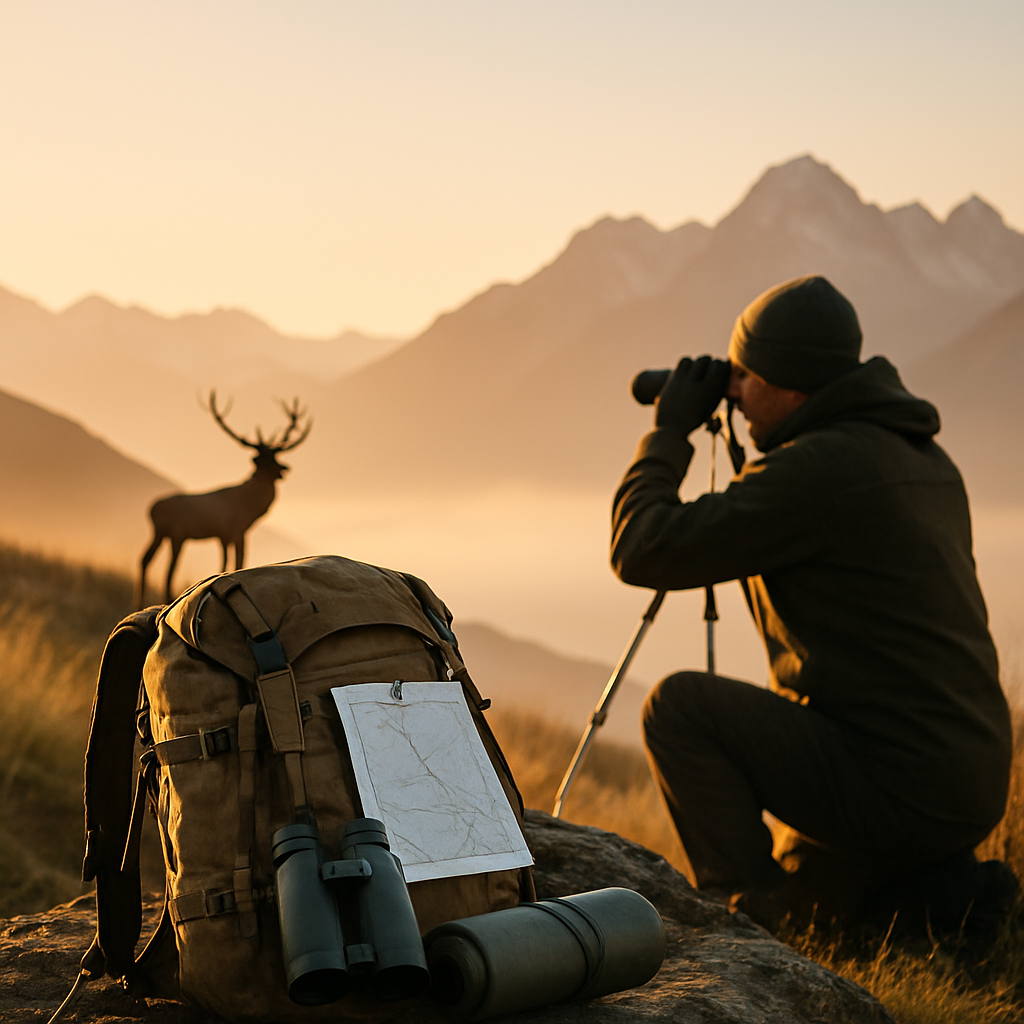
If you love getting off the beaten track and into New Zealand’s wild places, you already know the thrill of spotting a stag silhouetted on a ridgeline or finding fresh sign on a misty morning. But that thrill sits inside a framework: Game Seasons and Management NZ. Understanding that framework keeps you legal, safe and welcomed by landowners and conservation groups—and it makes your hunt more successful. So let’s get real: what does “game seasons and management” actually mean for you?
Heading into remote country without the right kit is a gamble you don’t want to take. For an up-to-date checklist and sensible packing advice tailored to New Zealand’s varied backcountry, have a look at Backcountry Hunting Gear Essentials. That guide walks you through boots, layering systems, navigation tools, and meat-pack solutions—the kind of practical detail that turns a hard day into a safe one. It also highlights seasonal kit adjustments and common mistakes that trip up inexperienced parties, so you can avoid them.
Hunters who want to level up should also tap into broader resources that cover scouting, local rules and etiquette. The site’s Hunting Expertise hub collects beginner-to-advanced articles that explain regional differences, how to interpret game signs, and how to work with landowners and DOC. It’s the sort of reading that prepares you mentally and legally for a trip, so you show up informed, respectful and ready to contribute to sustainable hunting practices in New Zealand.
Finally, nothing beats learning the art and craft of getting close without spooking game. If you want step-by-step advice on movement, wind, hides and trailing, consult the piece on Stalking and Tracking Techniques. It offers practical drills, observation tips and ways to read terrain that are especially useful during rut and low-visibility conditions, helping you turn patience into opportunity without breaking local rules or disturbing sensitive areas.
What “game seasons” actually are
Game seasons aren’t one-size-fits-all. They’re local rules shaped by ecology, animal behaviour, public safety and conservation goals. Some seasons are formal, set by agencies or councils; others are informal but enforced by landowners or local custom. The important thing is this: seasons tell you when you should be out hunting certain species, when you must stand down, and what rules apply when you’re in the hills.
Why management matters
Management is the why behind the dates. It’s about balancing recreation with conservation. If deer numbers are thriving in a region, managers may allow generous recreational harvests. If a species is recovering or breeding, seasons can be tightened or areas closed. And when an invasive pest like possums is threatening forest health, managers might prioritise control work, opening opportunities for coordinated culls or restricting recreational hunting to ensure safety and effectiveness.
What you need to do
- Always check local rules before you head out; they change more than you’d think.
- Respect land-tenure differences—private, Māori-owned, and public conservation land can have very different rules.
- Keep your firearms licence current and follow transport and storage laws.
Regional Variations in NZ Game Seasons: What You Need to Know
New Zealand’s geography is wildly varied. From the subtropical north to the jagged Southern Alps, the seasons and the behaviour of game animals change with altitude and latitude. That means the same species might be best hunted at different times in different regions. Let’s unpack the practical differences you’ll run into.
North Island vs South Island – the big picture
The North Island tends to be milder and more forgiving. Rutting and breeding cycles often start earlier there. That’s great if you don’t fancy alpine crampons, but it also means farmland and private access issues crop up more frequently. The South Island is where the mountains dominate. Cold, snow and big country mean later ruts for deer in many areas and tougher logistics. If you love a long pack-in and skyline glassing, you’ll find the South Island irresistible.
Regional councils, Fish & Game and DOC – who runs what?
Regional authorities split responsibilities. Fish & Game councils handle waterfowl and some gamebird rules at a regional level. The Department of Conservation (DOC) manages public conservation land and can close areas for predator control or breeding bird protection. Regional councils coordinate biosecurity and large pest-control programmes. That mix means you might need to check several sources before locking in dates and routes.
Local quirks to watch for
- Some areas have year-round pest-control operations—these can restrict access or create opportunities to join culls.
- Iwi-managed blocks and Māori land may require tikanga observance or permits—ask first and be respectful.
- Private high-country stations often have their own access rules and seasons—get written permission where possible.
Quota Systems, Licensing, and Sustainable Hunting in New Zealand
Sustainability underpins modern hunting in NZ. Whether through formal quotas for commercial operators or bag limits and seasonal restrictions for recreation, the aim is to keep populations healthy and landscapes intact. Here’s how the systems that affect you generally work.
Quotas and permits — not as scary as they sound
Quotas tend to appear when commercial interests or large-scale control operations are involved. As a weekend hunter, you’re less likely to hit a hard numeric quota, but you will encounter permits—especially if you want to join organised control work or hunt on certain conservation lands with commercial concessions in place. Always check whether a DOC concession, regional pest operation, or private contract affects your chosen piece of country.
Licensing you mustn’t forget
Firearms licence? Absolutely essential. Don’t assume a rental vehicle makes it easier—storage laws still apply. Game bird licences are regional and often managed by Fish & Game. If you’re using a professional guide, make sure they have the right DOC concessions and insurance. Little details like this save headaches and keep you out of trouble.
Hunting as conservation — how you help
Hunters are often frontline conservationists. Your participation in control operations, data reporting, and responsible harvest practices helps protect native birds and vegetation. Take care with carcass disposal, avoid spreading pests on boots and gear, and report odd animal behaviour or disease to DOC or the local council.
Seasonal Tips for Major NZ Game Species: Deer, Tahr, and Possums
Knowing species-specific seasonal behaviour is the single biggest advantage you can give yourself before a hunt. Here are focused tips for deer, tahr and possums—three species that dominate conversations about Game Seasons and Management NZ.
Deer — read the rut, read the country
Deer species in NZ—red, sika, fallow, rusa—each have their quirks, but many follow a similar seasonal rhythm. The rut happens in autumn (roughly March–May). During rut you’ll hear roarers, see lots of movement, and catch deer at dawn or dusk. Post-rut winters can push deer to lower elevations; spring and summer see them scatter up into alpine or high-country pastures.
Practical deer season tips
- Scout before the season: glass ridgelines, learn bedding areas and water points.
- Use rut calls but don’t overdo it—familiarity with local sounds helps.
- Be mindful of fawning periods in spring; avoid disturbing known nursery areas.
Tahr — alpine specialists need alpine planning
Himalayan tahr live in steep, rocky, high-country terrain. Their rut is usually in autumn too, and sightings often peak at dawn when they move onto exposed ridgelines. Weather and snow impact access dramatically. Don’t underestimate alpine hazards; respect the mountain or pay for a guide who knows it.
Tahr tips for safety and success
- Alpine gear is non-negotiable: crampons, ice-axe, and solid alpine experience or a guide.
- Glass early and late; tahr silhouette well against skylines.
- Plan pack-outs and have a carcass plan—carry-out distances can be massive.
Possums — the nocturnal pest turned hunting opportunity
Possums are active year-round and are considered a major pest for native forests. Night hunting with a spotlight is common, but rules vary by region and some areas have strict protocols due to bovine tuberculosis risks. Trapping and organised control plans are frequent; sometimes DOC or councils will coordinate large operations you can join.
Possum hunting tips
- Check local rules for night hunting and trapping; some regions require notification or specific methods.
- Protect yourself from disease risk—handle carcasses with gloves and follow disposal guidance.
- Be quiet — possums are easily spooked, but once they’re used to an area, you’ll find patterns.
The Role of DOC and Wildlife Management Bodies in Game Seasons
Want to know who to call or check before you go? DOC and regional bodies like Fish & Game are the front-line sources for accurate rules and closures. Knowing who does what helps you find reliable, up-to-date information and align your hunting with conservation priorities.
Department of Conservation (DOC)
DOC operates most of the country’s public conservation land and sets access rules, temporary closures, and conservation-driven hunting policies. They also issue concessions to commercial operators. If you plan to go deep into national parks or conservation areas, start with DOC’s local office or website. This isn’t bureaucracy for fun—their rules protect breeding birds, regeneration projects and the safety of hunters during pest-control operations.
Fish & Game councils
For ducks, quail and other game birds, Fish & Game will often set seasons and licensing requirements. They’re regional, so the Southland rules might differ from Auckland’s. Don’t assume season dates cross regions unchanged. When in doubt, check your local Fish & Game office.
Regional councils, iwi and landowners
Regional councils run pest-management plans and biosecurity, and iwi or landowners may set tikanga or private-season rules. Always ask permission where required. A friendly approach and respect for local customs will get you much further than a blunt request at the gate.
Planning Your Hunt: Aligning Outdoor Adventures with NZ Game Seasons and Management
Planning is where the rubber meets the road. A good plan combines legal checks, safety prep, and practical logistics. Here’s a usable roadmap so your trip is legal, ethical and memorable—for the right reasons.
Pre-hunt checklist (do this every time)
- Confirm season dates and any temporary local closures (DOC, Fish & Game, regional council).
- Ensure your firearms licence is valid and your storage/transport setup complies with laws.
- Get landowner or iwi permission in writing for private land.
- Check for pest-control operations and avoid scheduling conflicts for safety reasons.
- Plan access routes, vehicle shuttles, and emergency communication (satellite messenger for remote trips).
- Pack the right gear for the season: clothing layers, waterproofs, navigation tools and first aid.
- Have a carcass and meat plan—where will you process and how will you transport?
- Practice leave-no-trace and biosecurity—clean gear between regions.
Suggested timeline
- 6–8 weeks out: Research locations, contact local DOC office, and book any guides or accommodation.
- 2–4 weeks out: Finalise permits, secure landowner permissions, and check weather windows.
- 3–7 days out: Confirm your plan with a nominated contact, charge electronics and prep gear.
- Day of hunt: Leave intentions, follow check-in timetable, and be prepared to adapt—weather or closures can force last-minute changes.
- After the hunt: Report required data, clean gear, and process/store meat correctly.
FAQ — Common Questions About Game Seasons and Management NZ
What are the typical season dates for major game species in New Zealand?
Season dates vary by region and species. Generally, the red deer rut is best in autumn (March–May), tahr rut also falls in autumn, and possums are controlled year-round with night operations common. Waterfowl seasons are set regionally by Fish & Game. Always check DOC, Fish & Game, and your regional council for current dates before you head out—local variations are common and temporary closures happen.
Do I need a licence to hunt deer, tahr, or possums?
You must hold a valid firearms licence to legally possess and use firearms in New Zealand. Game bird licences are often required regionally for ducks and quail via Fish & Game. Deer and tahr recreational hunting usually doesn’t require a species-specific licence, but private land permission, DOC restrictions, or commercial concessions may apply. For possums, check local rules—some regions have rules due to disease control.
Can I hunt on DOC land, and are there restrictions?
Yes, much DOC land is open to recreational hunting, but there are restrictions and temporary closures for conservation or pest-control work. DOC may issue concessions for commercial guiding and can close areas for public safety during operations. Check the DOC advisories and contact local rangers if you’re unsure—it’s your job to confirm access before you leave the roadhead.
How do I get permission to hunt on private or Māori land?
Always ask. Approach landowners or iwi respectfully, explain your plans, offer to provide references or a copy of your firearms licence, and get permission in writing where possible. Respect local tikanga (customs) on Māori land—protocols vary and following them builds good relationships. If you’re unsure who to contact, local hunting clubs or DOC offices often know landowner contacts.
Are there quotas or permits that affect recreational hunters?
Hard numerical quotas are mostly for commercial operations and contractor culling, but recreational hunters will encounter permits and concessions—especially on DOC land during organised control events. Some district pest programmes restrict access during operations. If a site has a concession or an ongoing contract, you may need to coordinate with organisers or seek permission to avoid safety conflicts.
Is night hunting legal and what are the safety considerations?
Night hunting is commonly used for possums and some pest control, but regional rules differ. You must follow local restrictions, have safe lighting setups, and be aware of livestock or other people in the area. In some TB-affected zones there are strict carcass handling rules. Always notify someone of your intentions, carry appropriate illumination and signaling devices, and confirm night hunting is permitted where you plan to operate.
How should I handle carcass disposal and biosecurity?
Handle carcasses hygienically—use gloves, keep meat cool, and avoid contaminating waterways. In TB-risk areas follow local disposal directives. Clean boots and gear between regions to avoid spreading pests or seeds. If you find sick animals or unusual signs, report them to DOC or the regional council. Good biosecurity practices protect native wildlife and preserve access for future hunters.
What essential gear do I need for backcountry hunts?
At minimum: solid boots, layered clothing, waterproofs, reliable navigation (map, compass, GPS), first aid kit, insulated sleeping gear (for overnight trips), and meat transport solutions. For alpine hunts add crampons, ice-axe and avalanche awareness gear where necessary. Check the Backcountry Hunting Gear Essentials guide for a detailed list and seasonal adjustments to avoid being under-prepared.
When is the best time to hunt the red deer rut?
Typically autumn—roughly March to May—but timing varies with latitude and altitude. South Island high-country ruts often peak later than many North Island areas. Scout early, monitor local reports, and spend time glassing ridgelines to pick the right week. If you time it well, you’ll see lots of movement and hear roaring stags—great for calling and stalking opportunities.
How can I contribute to conservation while hunting?
You can help by taking part in coordinated culls, reporting sightings and animal health issues, practising humane kills, and following carcass and biosecurity rules. Share local intel with DOC or regional groups, and support habitat restoration where possible. Responsible hunters are often the first line of defence for native species—treat that role seriously and with pride.
Should I use a guide or commercial operator?
Guides are useful if you’re unfamiliar with the terrain, alpine hazards, or local seasons. Ensure any guide has the required DOC concessions and insurance. A good guide will improve safety, teach local techniques and often increase your odds of success—especially on technical tahr country or in unfamiliar regions.
How do I stay safe in alpine hunts?
Plan for rapidly changing weather, carry alpine safety gear, know how to use it, and have reliable communication (satellite messenger if remote). Check avalanche forecasts, travel with partners experienced in alpine conditions, and keep a conservative turnaround decision. A swift retreat beats a risky summit—your safety matters more than a single animal.
Final Notes and Practical Advice
Game Seasons and Management NZ aren’t barriers to fun—they’re navigational aids that let you keep hunting year after year. If you treat the rules as a checklist rather than a chore, you’ll enjoy better hunts, fewer surprises and the gratitude of conservationists and landowners alike. Want a quick tip to make life easier? Put a bookmark on your phone linking to the local DOC office, your regional Fish & Game, and the nearest ranger station. Trust me, you’ll use it.
At the end of the day, Game Seasons and Management NZ are about balance: your enjoyment, the health of wildlife, and the safety and rights of others. Plan well, ask questions, follow the rules—and you’ll be part of the long tradition of hunters who help keep New Zealand’s land and wildlife healthy. If you want, pick a region and I’ll help you map out a hunt plan that fits local seasons and management rules. Ready?