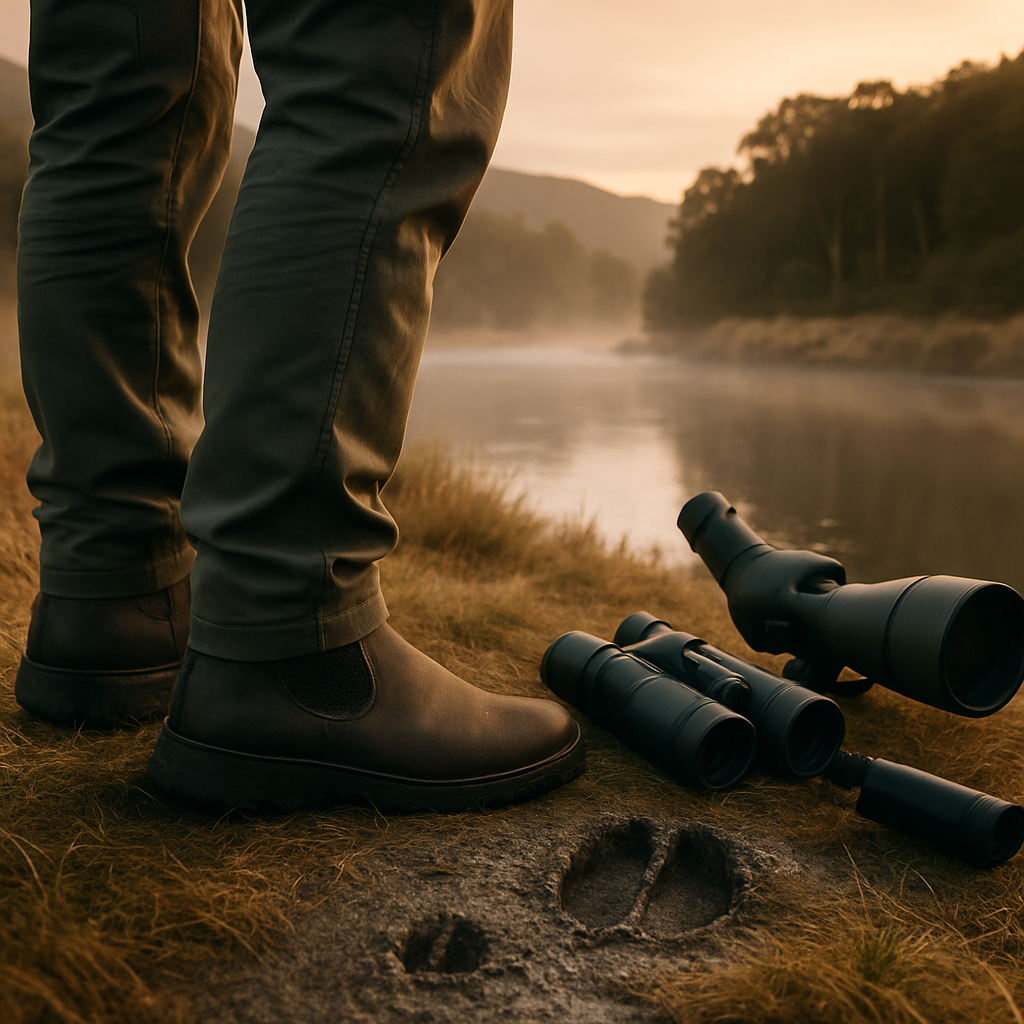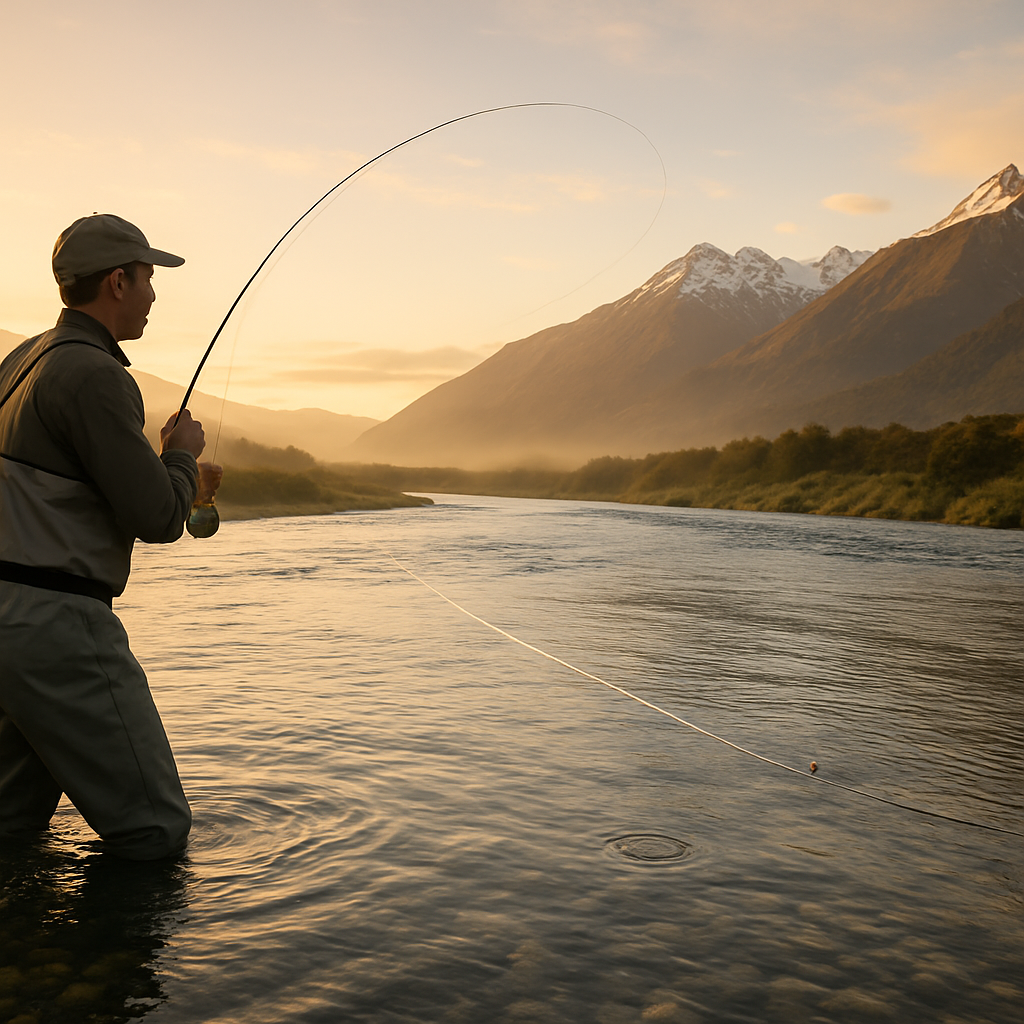
Imagine standing on a riverbank as the sun peeks over a southern alps ridge, trout rising in the first light and a steady hush broken only by the water and your line. If that image makes you want to pack a rod and head for the nearest launch ramp, you’re in the right place. This piece delivers practical, human-first Fishing Insights you can use right away—season-aware tactics, the best freshwater spots across both islands, gear recommendations, and the local know-how that separates a good day from a great one. Read on, plan well, and get ready to fish smarter, not just harder.
Understanding New Zealand’s Fishing Seasons
Fishing Insights begin with timing. New Zealand’s climate zones and topography make for varied seasonal behaviour across rivers, lakes, and streams. You’ll notice big differences between North and South Island waters, between lowland drains and alpine feeders, and between summer glass-offs and spring “off-colour” flows. Know the rhythms and you’ll arrive at the right place at the right time.
If you’re planning a road trip or a focused weekend, it helps to have a shortlist of reliable waters; our curated guide to Best NZ River Spots pulls together rivers that consistently fish well across seasons. That list pairs well with seasonal notes so you can decide whether a braided river, a clear spring creek, or a lake mouth will give you the best shot at the specific species and style of fishing you’re chasing. Bookmark it and cross-reference flows before you go.
For a broader overview of what this site offers beyond single-article tips, the homepage fishing-hunting-canoeing-new-zealand.com collects trip reports, regional updates, and gear reviews that feed directly into the practical advice found in our Fishing Insights pieces. If you prefer to plan by region or by technique, the site’s navigation and category pages make it easy to jump from high-level inspiration to detailed rigs, local access notes, and seasonal calendars that will save you time and avoid dead-end days on the water.
Want to sharpen your presentation and fly handling? Our in-depth post on Fly Fishing Techniques NZ breaks down casts, leader choice, mending, and the subtle adjustments that transform a respectable drift into a hookup. Reading through those technique notes before you head out will help you reduce drag, land more delicate presentations, and read subtle takes—skills that are worth their weight in hooks when conditions are bright and fish are wary.
Sometimes the best lessons come from stories—and our collection titled Personal Fishing Stories and Lessons mixes trip tales with practical takeaways about reading water, dealing with weather, and learning from mistakes. These narratives are more than entertainment: they highlight real decisions, access pitfalls, and lucky reads that can save you time and increase your odds on any given day. They’re honest, often funny, and always instructive.
If you prefer quick, actionable advice to match your calendar, check out the Seasonal Fishing Tips page, which summarises tactics and gear cues for spring through winter. It’s especially useful when deciding what flies and lures to pack for a trip spanning a few days or when you only have a narrow weather window and need to prioritise the most effective methods for prevailing conditions.
Finally, don’t leave your equipment decisions to guesswork—our gear primer Tackle and Gear Essentials outlines rods, reels, lines, leader setups, and safety kit tailored to New Zealand waters. Whether you’re mixing lake trolling with river nymphing or switching between lightweight spring creeks and big-lake streamer work, that guide helps you pack efficiently and avoid surprises that can derail a day on the water.
Spring (September–November)
Spring is a lively time. Snowmelt and increased rainfall spike flows, flush nutrients downstream, and kick aquatic insect life into gear. Trout emerge from slower winter metabolism ready to feed—perfect timing for anglers willing to adapt to variable water conditions.
- Why it matters: Increased food availability and active trout make spring a top season for anglers seeking consistent action.
- How to fish: Heavier nymphs early on, switching to emergers and dries as mayfly and chironomid activity grows.
- Watch for: Coloured water after heavy rains—great for lures and streamers; clearer post-runoff windows for sight-fishing.
Summer (December–February)
Warm, stable conditions in many waterways mean pristine sight fishing and strong surface activity. This is prime time for dry-fly aficionados and lake anglers. But remember: low flows can make fish spooky and afternoons hot—so think timing and stealth.
- Why it matters: Extended dry-fly periods and easy access to alpine streams.
- How to fish: Long leaders, small tippets, and terrestrial patterns at dawn and dusk. Use shallow-diving lures or trolling rigs on lakes.
- Watch for: Algae or weed growth in lakes; early starts and late finishes beat the heat and pressure.
Autumn (March–May)
Autumn often brings the most cooperative trout—calmer flows, abundant hatches, and fish bulking up for winter. For many anglers, it’s the sweet spot for big fish on dries and terrestrials.
- Why it matters: Strong surface activity and predictable feeding periods.
- How to fish: Match-the-hatch tactics, emerger patterns, and careful presentation to avoid drag.
- Watch for: Nighttime cooling and mid-day clarity—adapt your approach accordingly.
Winter (June–August)
Fishing in winter requires patience and focus. Lower temperatures slow insect activity, but trout still feed—often deeper and more deliberately. This is when technical nymphing and slow streamer work shine.
- Why it matters: Less angling pressure in many areas and the chance to target large, lethargic trout holding deep structure.
- How to fish: Heavier nymph rigs, Euro-style or indicator setups, and slow, deliberate streamer retrieves.
- Watch for: Icy mornings, hypothermia risk, and the value of a quiet, focused approach.
Top Freshwater Spots for Anglers in New Zealand
New Zealand’s freshwater variety is staggering—from braided river labyrinths to still, deep lakes. Here are trusted go-to spots for consistent results, whether you chase large browns, aggressive rainbows, or technical sight-fishing moments.
South Island Highlights
- Mataura River (Southland): A legend among brown-trout lovers—consistent hatches and strong late-season browns.
- Upper Clutha & Lake Wanaka: Exceptional lake and river mouth fishing; great for both sight-casting and trolling.
- Wakatipu & Waiau regions: Cold, clear waters producing trophy trout for anglers who read water well.
- Marlborough and Nelson spring creeks: Technical sight fishing, small flies, and patient presentation pay huge dividends.
- Rakaia and braided rivers in Canterbury: Wide, shifting channels demanding careful wading and flow reading.
North Island Highlights
- Lake Taupo and tributaries: World-class trout fishing—trolling, fly fishing at mouths, and robust trophy rainbows.
- Tongariro River: Reliable mayfly hatches and accessible, productive water for dry-fly fishing.
- Waikato and King Country rivers: Great lowland angling with abundant public access.
- Bay of Plenty coastal streams: Seasonal runs and mixed tactics make these systems a fun change from alpine fishing.
Backcountry & High-Country Options
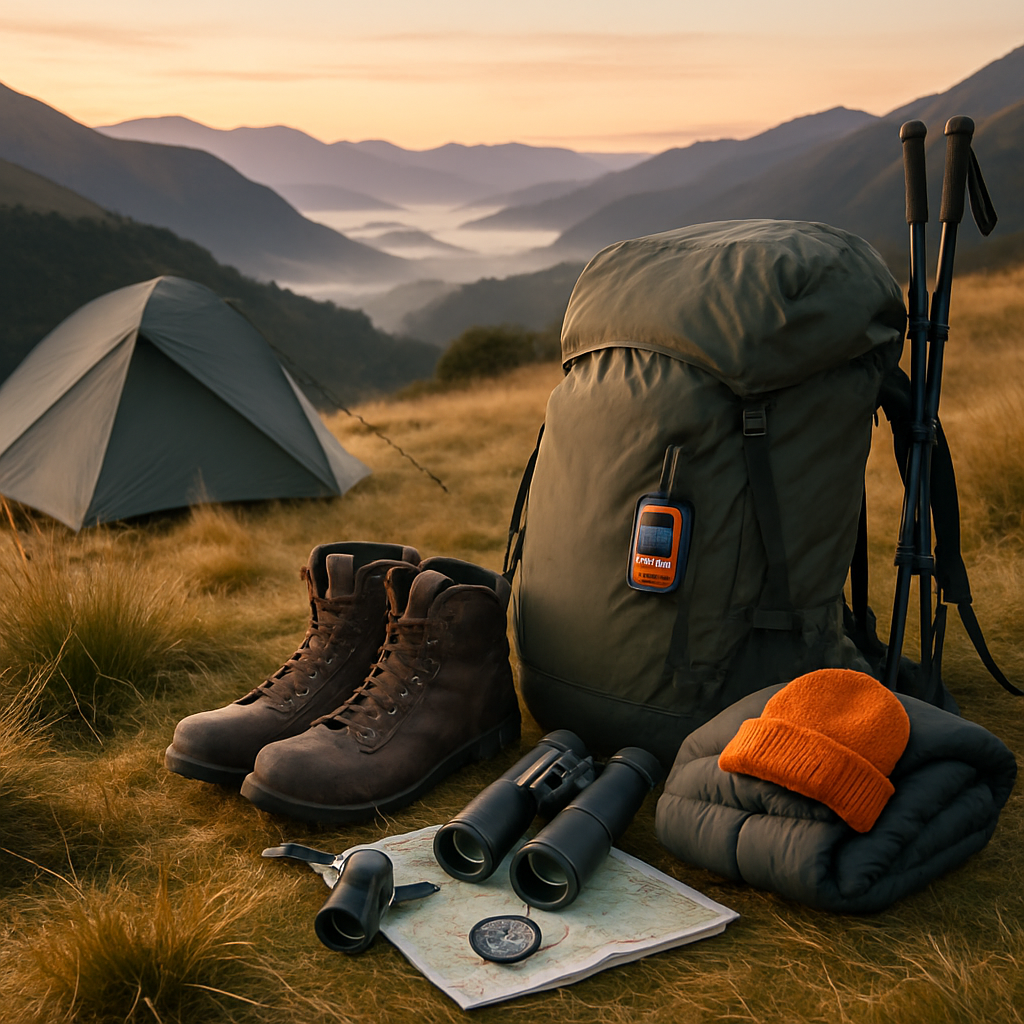
You want solitude? Head inland. Alpine tarns and remote streams reward effort with wild fish and pristine views. That said, backcountry trips demand careful planning—maps, weather awareness, and sometimes guides or helicopter access. Don’t underestimate the terrain: it’s beautiful but unforgiving.
Seasonal Tactics: Lures, Flies, and Tactics for NZ Waters
Fishing Insights about gear and technique are only useful when they’re seasonally appropriate. Below, you’ll find practical tactics tied to seasons and water types so your strategy aligns with fish behaviour.
Spring Tactics
Think depth and weight. Spring trout are active but often in faster current or deeper seams due to run-off. Your job is to get flies or lures where the fish are holding.
- Weighted nymphs (tungsten beads), balanced indicator rigs, and fast-strip streamers in stained water.
- Spoons and soft plastics for lure anglers when visibility is reduced.
- Be flexible—switch between subsurface and aggressive streamer work as conditions change.
Summer Tactics
Presentation and stealth are your allies. Clear, low flows make trout wary; small errors spook them quickly.
- Long, delicate leaders, small dry flies and terrestrials in the warm months.
- For lakes: trolling with dodgers and small bibbed lures; sight-casting along weeds and points at first and last light.
- Use early mornings and late evenings—heat and pressure concentrate fish into predictable patterns.
Autumn Tactics
Match-the-hatch fever. Trout are feeding hard to prepare for winter; imitating natural emergers and terrestrials often produces consistent strikes.
- Emerger patterns, spent-wing dries, and terrestrial imitations (beetles, ants).
- Use droppers beneath quality dries to probe different depths without spooking surface feeders.
- Slow, drag-free drifts are critical—fall fishing rewards precision.
Winter Tactics
Winter demands patience. Fish are deeper and less willing to chase—so get creative with depth and retrieve speed.
- Euro-nymphing or weighted indicator rigs to reach holding depths quickly.
- Heavy streamers, slow retrieves, long pauses; mimic exhausted prey.
- Shorter casts, stronger leaders, and focus on structure—undercut banks, tailouts, and deep runs.
Ethical Angling and Conservation in New Zealand
Fishing Insights isn’t just how-to; it’s about stewardship. New Zealand’s fisheries are cherished, and anglers play a key role in protecting them. Ethical choices today keep fisheries healthy tomorrow.
Licences, Regulations and Respect for Local Rules
Regulations vary. Some regions require fishing licences or have specific bag limits and method restrictions. There’s also a strong culture of private land respect—ask permission before crossing fences and obey access signage. It’s the right thing to do, and it keeps access open.
Catch & Release Best Practices
- Use barbless or crimped-barb hooks and circle hooks where appropriate.
- Minimise air exposure: keep fish in the water during unhooking when possible.
- Wet your hands, support the fish gently, and revive them in current before release.
- Record releases and catches responsibly—data helps local groups manage fisheries.
Biosecurity and Disease Prevention
Clean equipment between catchments. It’s simple: drain, dry, and disinfect. Aquatic pests and diseases hitchhike easily on wet boots, nets, and boats. A quick clean can save entire fisheries—don’t skimp on this responsibility.
Habitat Protection and Advocacy
Join riparian planting, support erosion control, and keep channels clear of rubbish. Advocacy and volunteer work matter—anglers who invest in habitat protection help ensure future generations will enjoy healthy fisheries and continued access.
Gear Essentials for NZ River and Lake Fishing
Right gear increases confidence and catch rates. Here’s a practical kit built around versatility for New Zealand freshwater fishing.
- Rods: 9ft 5–6wt for general trout; 3–4wt rods for technical spring creeks; 6–8wt for streamers and big-lake work.
- Reels: Robust drag and good backing—you’ll need the line for big runs. Freshwater seals help with wet conditions.
- Lines: Floating, intermediate, and sink-tip for lakes and deep rivers; low-memory lines for delicate presentations in clear water.
- Leaders & Tippets: Long tapered leaders for dries, shorter leaders for streamers; carry 2X–6X tippets.
- Wading gear: Breathable waders, non-slip soles, and a wading staff for braided rivers. Safety first—know your limits in fast water.
- Nets: Rubber mesh nets are best for fish health and easy to disinfect.
- Tackle for lure anglers: Spoons, soft plastics and bibbed lures sized to local forage; surface lures for summer evenings.
- Electronics: Fishfinders on lakes and a GPS for navigation in poor visibility.
- Safety kit: Layers, waterproof phone case, first-aid, map, and an emergency plan—especially for remote trips.
Local Knowledge: Insights from New Zealand Anglers
Listen to locals and learn quickly. Fishing Insights from New Zealand anglers often boil down to flow reading, timing, and access etiquette. Here are the patterns and tips they swear by.
Reading Water Like a Local
Locals read seams, tailouts, undercuts, and subtle flow lines across bars—those features are feeding lanes and resting spots. On braided rivers, it’s about spotting where currents converge and where fish tuck out of the main flow.
Talk to Locals and Guides
Pop into a tackle shop, chat with a guide, or ask a DOC ranger. Local advice is priceless: recent hatch reports, which runs are holding fish, and where land access is open or restricted. If you only have a day or two, a guide can collapse a season’s worth of learning into a morning.
Seasonal Nuances Locals Swear By
- After heavy rains, fish may move to deeper pockets—add weight or try streamers.
- In low summer flows, focus on early morning and late evening feeding windows.
- On braided rivers, approach from downstream of target water and watch for subtle flow lines across bars—those are gold.
Trip Planning: Practical Tips
Good Fishing Insights include safe, realistic planning. The difference between a frustrating day and a memorable one is often logistics.
- Check flows and weather: South Island rivers change fast with rain and snowmelt.
- Book early: Peak seasons fill up quickly—guides and huts especially around popular centres like Queenstown and Taupo.
- Pack for variability: Layers, waterproofs, and spare socks will save your day.
- Respect landowners: Ask permission and stick to access rules to keep relationships positive.
- Leave a plan: Tell someone where you’re heading and when you’ll be back, especially for backcountry trips.
FAQ — Common Questions People Search Online (and the Answers You Need)
Do I need a licence to fish in New Zealand?
Short answer: it depends on where you’re fishing. For most inland trout and salmon fisheries there is no single national recreational licence, but regional rules, bag limits and method restrictions apply—so you must check the local regulations before you go. Some private waters, reservoirs or special management zones may require permits or have their own licence systems. Always look up regional authority and DOC pages for the most current rules so you don’t end up on the wrong side of local bylaws.
When is the best time to catch big trout?
Many anglers find autumn and late winter/early spring deliver trophy opportunities. In autumn, trout feed heavily to bulk up for winter and you’ll see strong surface activity; late winter and early spring can be great for targeting big browns with streamers and deep nymphing as fish move to holding lies. That said, location matters—high-country tarns, clear spring creeks and lowland rivers each have their own peak windows, so match season with water type for best results.
What gear should I buy as a beginner?
If you’re starting out, pick a versatile setup: a 9ft 5–6wt fly rod, a smooth drag reel with adequate backing, floating line and a selection of leaders and tippets. Add a basic nymph and dry fly box, a rubber net, breathable waders and a wading staff. Borrow or rent gear first if you can—testing rods and reels on local waters helps you choose what fits your style before you invest in a comprehensive kit.
How do I avoid spreading aquatic pests between rivers?
Practice simple biosecurity: drain, clean and dry everything that’s been in the water—boats, nets, waders, boots and bait tubs. Use a stiff brush and a disinfectant or hot water where appropriate, and allow gear to dry fully before moving catchments. These small steps prevent invasive plants and pathogens from hitchhiking and protect the fisheries you love. It’s quick, responsible and has huge benefits for all anglers.
Can I fish on private land, and how do I get access?
You can fish on private land only with permission. Many landowners are happy to allow anglers but ask that you request access politely, follow any conditions they set, and leave gates and tracks as you found them. Respecting private land builds goodwill and keeps access open—don’t be careless. When in doubt, pop into a local tackle shop or check community access maps for public easements and legal access points.
Should I hire a guide for my first trip to NZ?
If you’re short on time, unfamiliar with local waters, or keen to fast-track skills, hiring a guide is an excellent option. A local guide will know current flows, hatches, access points and the best rigs for the day—plus they handle logistics and safety. For your first day or two, a guide can save hours of trial and error and increase your enjoyment. For more independence later, use that first trip to learn the ropes.
What are the best catch-and-release tips to keep fish healthy?
Use barbless hooks, minimize handling and air exposure, and support the fish horizontally when you do touch it. Unhook fish in the water when possible, and revive tired fish by holding them facing into current until they swim away. Avoid lifting fish by the gills or squeezing the body—small careless moves can cause internal damage. These practices improve survival and protect the fishery for everyone.
How do I stay safe when wading braided or fast rivers?
Respect river power: wear a personal flotation device if flows are high, use a wading staff and non-slip soles, and never wade alone in unfamiliar fast water. Walk slowly, feel each step, avoid crossing near deep channels and know how to self-rescue if you slip. If in doubt, don’t cross—plan an alternative angle or fish from the bank. Safety is part of good trip planning.
What flies and lures should I pack for a week-long trip?
Pack a balanced selection: a dozen nymphs in sizes 14–18 (Hare’s Ear, Pheasant Tail, beadheads), a few emergers and mayfly/spent-wing dries, terrestrials like ants and beetles, plus streamers for larger fish. For lures, bring small spoons, soft plastics and a couple of bibbed lures or surface options for evenings. Adjust quantities by season and water type, but versatility beats carrying everything.
How can I support conservation locally as an angler?
Get involved with riparian planting, local catchment groups and clean-up days. Follow biosecurity best-practice, report unusual fish kills or pests to local authorities, and donate time or money to groups working on erosion control and habitat restoration. Small actions—packing out rubbish, sticking to tracks and supporting local advocacy—add up and help keep fisheries healthy.
Final Thoughts
These Fishing Insights are meant to be practical, friendly, and—most of all—usable. New Zealand rewards those who plan, respect the environment, and listen to local knowledge. So when you next head out, think seasonally, pack appropriately, and treat the rivers and lakes like you’d want them treated for your grandchildren. Tight lines, be safe, and enjoy every quiet rise and unexpected tug. If you want gear checklists tailored to a particular river or a day-by-day seasonal itinerary, say the word—I’ll map it out with you.