Hooked on Adventure: How to Pick the Right Tackle and Gear Essentials for Every NZ Outing
You love the idea of crisp river mornings, salty spray on your face and the thrill of a fish on the end of the line. But before you head out, let’s be honest: having the right gear separates a memorable day from a frustrating one. This guide dives deep into Tackle and Gear Essentials so you can spend less time muttering on the bank and more time catching—and enjoying—the great outdoors in New Zealand.
Tackle and Gear Essentials for New Zealand Fishing
New Zealand’s waters are wildly varied. From crystal-clear high-country streams to choppy coastal reefs, you’ll find a species and a challenge for every mood. That variation demands thoughtful kit choices. The phrase “Tackle and Gear Essentials” isn’t just SEO-friendly—it’s a promise: this article covers what truly matters, no fluff.
To get practical, local perspectives you can apply right now, check our Fishing Insights — it’s packed with trip reports and gear notes that local anglers swear by and will help you avoid common mistakes. If you’re honing your presentation on rivers, the detailed tutorials at Fly Fishing Techniques NZ break down casts, fly selection and drift setups tailored to New Zealand waters, with tips for tight, bush-lined streams and big, blown-out rivers alike. And for timing, water behaviour and which lures or baits to favour across months, our Seasonal Fishing Tips page provides seasonal patterns, safety reminders and practical changes you can make to gear and clothing as the year turns.
Start with three simple rules: match gear to species and environment, prioritise corrosion resistance for saltwater outings, and keep things modular—so you can switch from a kayak to a river bank in five minutes flat. If you follow those rules, you’ll avoid most facepalm moments on the water.
Think about your top three target species and the main environments you fish. Are you chasing trout in creeks? Snapper from a hire boat? Kahawai along springtidal edges? Make a short list and kit your core combos around those—rods, reels, lines and two go-to lure/bait setups per species. Everything else is luxury or redundancy.
Rods, Reels, and Lines: What Every NZ Angler Needs
These three components are the backbone of your tackle box. Choose them well and they’ll feel invisible—doing the job perfectly while you enjoy the fight and the view. Choose them poorly, and you’re fishing with a mismatch that eats bites, tangles and your patience.
Rods
Your rod choice depends on where you’ll cast most. For small, bush-lined trout streams, a shorter rod gives accuracy; for bigger lakes, a longer rod gives distance. For inshore boat work, a stiffer rod helps control fish near rocks. Rod length, power and action all matter. Don’t buy the fanciest rod you see on a promo—buy what suits local conditions and feels right in your hands.
Practical picks:
- Trout streams: 6’6″–8′ 2–6wt (or light spinning 5–8lb test).
- Estuary & salmon: 8’–10′ medium power.
- Inshore/boat: 6’6″–7’6″ medium-heavy to heavy (15–40lb class).
Reels
Reels are more than a spool—drag quality, corrosion resistance and line capacity are crucial. A silky-smooth drag saves fish and your line; sealed systems resist salt. For trout, a compact 1000–3000 spinning reel is ideal. For inshore work, step up to 3000–6000 with a sealed drag.
Tip: a spare reel loaded with backup line is cheaper than a day lost to a stuck or broken reel.
Lines and Leaders
You’ll juggle braid, mono and fluorocarbon. Braid gives sensitivity and low stretch, perfect for casting far and feeling subtle takes; mono offers stretch that buffers fast runs; fluorocarbon makes a stealthy leader that sinks slightly—ideal for deep casts and toothy fish. Match line strength to species and structure: 2–8lb for trout, 6–15lb for estuary species, and 20–60lb for big coastal predators.
Make leaders visible: for trout use 0.6–1.2m clear fluorocarbon; for abrasive reef species use heavier mono or even wire leaders for toothy fish. Switching leader length and material is a tiny change that makes a big difference.
Lures and Baits for New Zealand Species: A Practical Guide
It’s not the size of the tackle box, it’s how you use it. Knowing which lure or bait pattern to reach for in a given situation will save you time and increase your catch rate. Here’s a practical breakdown matched to common NZ targets.
Freshwater — Trout & Salmon
Trout are picky, especially in clear water. Presentation beats brute force. Use small, natural-coloured lures and flies when water is clear; crank up size and flash when flow is high or fish are aggressive.
- Spinners and small blades (#0–#2) for moving water.
- Soft plastics (2″–4″) on light jigheads for lake margins and undercut banks.
- Wet and dry flies matching local hatch patterns—this is where talking to local anglers pays off.
- When allowed, natural baits like worms or shrimp can be devastating in stillwaters.
Harbour & Inshore — Kahawai, Trevally, Snapper
These species are often aggressive and love retrievals with punch. Fast-moving metals and poppers can trigger explosive surface strikes; plastics trolled or jigged near structure tempt sneaky snapper.
- Metal slugs and small jigs (10–40g) for fast-moving kahawai and trevally.
- Soft plastics (2″–5″) on heavier jigheads near reefs for snapper.
- Natural bait rigs (paternoster or running-sinker) when fish are deep or feeding on the bottom.
Deep Reef & Offshore — Kingfish, Bluefin, Big Snapper
Offshore predators demand heavier tackle and baits. Surface poppers and stickbaits excite kingfish; heavy jigs and livebaits win when they’re deep.
- Poppers and stickbaits for topwater kingfish action.
- Vertical heavy jigs (60–200g) for reefs and pinnacles.
- Umbrella rigs and livebait setups for pelagic days.
General Bait Tips
Fresh is best. Keep baits iced or chilled, and replace them when they look tired. Match bait size to the local forage—small baits for estuaries, larger ones offshore. When in doubt, ask the person next to you on the jetty. They’ve probably tried the same thing this morning and either nailed it or cursed it under their breath.
Must-Have Accessories: Nets, Pliers, and Tackle Boxes
The little stuff keeps your day sane. A great rod and reel combo won’t help if you can’t remove a hook without mangling the fish, or if all of your lures are tangled in a single knot of suffering. Here’s the practical kit you should carry.
Landing Nets & Hook Removal
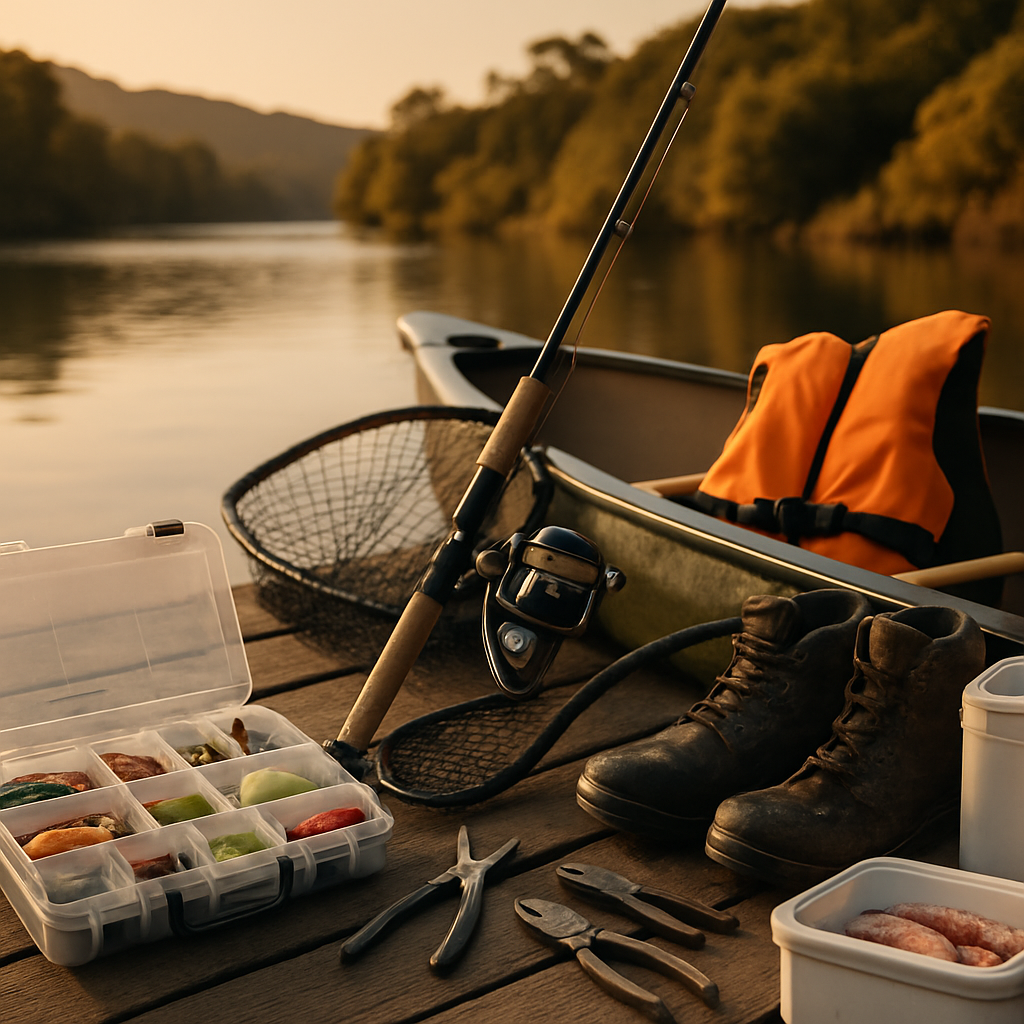
Rubber-coated nets are kinder to fish and tangle less with hooks. Choose a size for the species you target. For trout, compact nets are fine; for boat snapper or kingfish, go bigger. Pair your net with long-nose pliers for confident hook removal.
Pliers, Forceps and Dehookers
A good set of corrosion-resistant pliers, a hook remover and a hook file can save gear and fish. Keep them on a lanyard or in a chest pocket so you don’t fish for them when a fish is thrashing at your feet.
Tackle Boxes and Organization
Modular boxes with labelled compartments speed up decisions. You’ll thank yourself when you can swap between a soft plastic and a metal slug without emptying an entire drawer. Keep spare terminal tackle—swivels, snaps, hooks—and a small tube of silicone grease and reel oil in your kit.
- Rubber net (size matched to species)
- Long-nose pliers and line clippers
- Hook disgorger or dehooker
- Measuring device and ruler
- Waterproof tackle box with labelled trays
Safety and Comfort Gear for Riverine Trips in NZ
NZ rivers are beautiful but unforgiving. Cold water, strong currents, and remote access mean safety gear isn’t optional; it’s essential. Comfort gear keeps you fishing longer, and safer gear keeps you alive—simple as that.
Personal Flotation and Rescue Tools
Wear a PFD when you’re on a boat or in fast water. For canoe trips, a PFD with pockets is useful; for hunting trips, pick something that lets you move freely and carry small tools. A throw bag and rope can be real heroes in a short rescue scenario. Add a whistle, VHF or satellite communicator (if you’re off-grid), and a PLB for serious remoteness.
Cold Water Preparedness
Hypothermia is sneaky. It starts while you’re still thinking clearly and can end a day fast. Avoid cotton; use quick-dry layers and an insulating mid-layer. Breathable waders or neoprene options are common—pick what feels right for your typical weather. Bring spare dry clothes in a waterproof bag and a compact thermal blanket for emergencies.
Footwear and Traction
Slips on wet rocks are a frequent source of injuries. Choose boots with good grip: rubber soles with studs or modern felt alternatives. If you spend a lot of time wading, consider boots that accommodate studs or cleats for extra traction.
Comfort Items That Matter
Small comforts make big differences—polarised sunglasses for spotting fish and reducing glare, a hat and sunscreen, insect repellent in midge-heavy zones, and a lightweight seat pad for bank sessions. Hydration matters: a filter bottle or plenty of water is not optional on long summer days.
Seasonal Gear Updates for NZ Waters
Seasons in New Zealand vary dramatically in terms of water clarity, temperature and fish behaviour. Tweaking your kit seasonally is an efficiency move that pays off in more bites and fewer soggy regrets.
Spring (September–November)
Spring brings rising rivers and fresh hatches. Fish get lively as temperatures climb. Smaller, more natural presentations often win the day. Pack rain layers and extra leaders; spring floods mean broken rigs and lost lures are common.
Summer (December–February)
Long days, more people—but also more topwater moments. Early mornings and late evenings are golden for trout and kahawai. Sun protection and hydration are critical. Lightweight, breathable clothing and a good sun hat will keep you out there longer.
Autumn (March–May)
As fish fatten up for winter, they feed aggressively. Medium-weight lines and sinking tips help you reach deeper feeding fish. Tidal estuaries can be exceptionally productive as baitfish move around; have heavier jigheads and more bait on hand.
Winter (June–August)
Winter is about warmth and safety. Insulated waders, thermal layers and robust eyewear help you stay comfortable. Fish shelter in deeper water and structure—so heavier lines and stout tackle are often better. Check weather and river reports religiously—conditions change fast.
Multi-Discipline Gear: Hunting and Canoeing Considerations
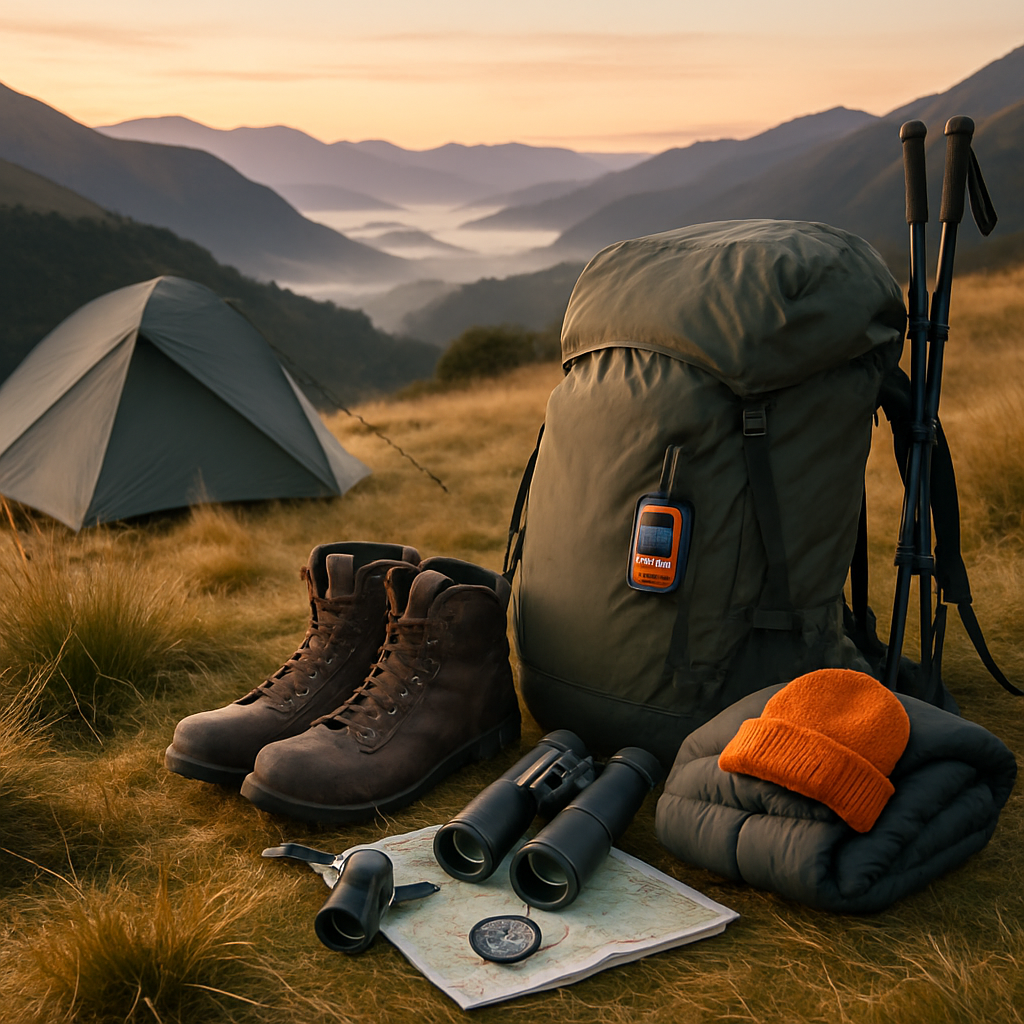
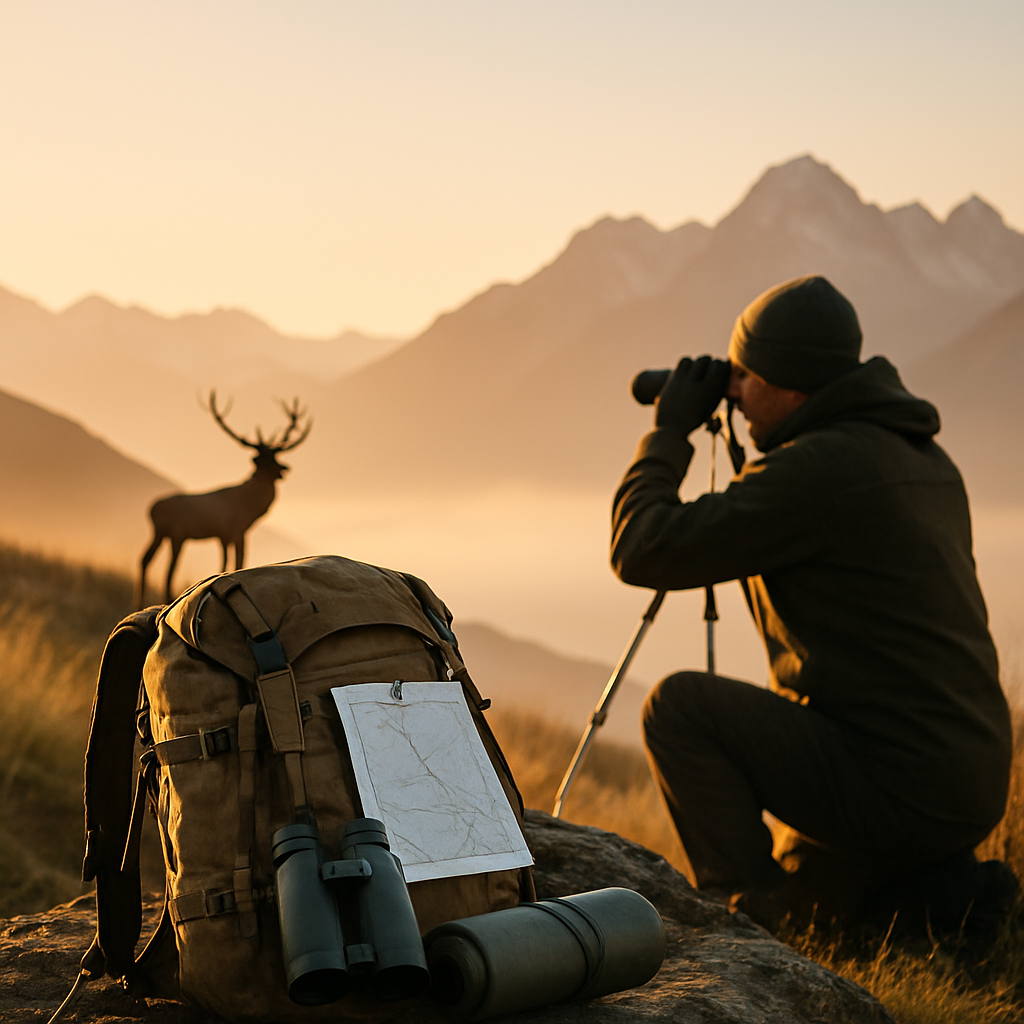
If you like to combine fishing with hunting or canoeing, your kit needs to multitask. Lightness, ruggedness and ease-of-access are your friends. A few smart choices let you transition from stalking a ridgeline to casting in a tidal creek without lugging a separate kit for each activity.
Shared Tools That Save Weight
- Multi-tool and a good fixed-blade knife for field dressing, repairs and general chores.
- Camouflage or neutral clothing that’s breathable and quick-dry.
- Portable anchor for kayaks and canoes when you want to hold position while fishing.
- Collapsible game bags and a dry storage method to keep your canoe clean when transporting game.
Packing and Maintenance Tips
Good maintenance and smart packing are underrated. Rinse saltwater gear, dry it properly and oil reels occasionally. Label your boxes and keep a “trip-ready” kit with your most-used items. Replace line before it degrades and store hooks in rust-proof containers.
Before each trip, mentally run through your day: where you’ll fish, what species you expect, likely weather and access. Pack a backup option—an extra leader or a second lure style—and you’ll avoid the common “I wish I’d brought…” moments.
Quick Gear Checklist for a Typical NZ Day Trip
- Rod/reel/line combo appropriate to species
- Selection of lures, soft plastics and baits
- Landing net, pliers and dehooker
- PFD for boat or fast-water trips
- Waterproof layers, insulation and spare clothes
- First aid, multi-tool and knife
- Measuring device and legal-size reference
- Spare line, leaders and terminal tackle
- Communication device and PLB if remote
Frequently Asked Questions — Tackle and Gear Essentials
What are the absolute “Tackle and Gear Essentials” I should pack for a first trip in NZ?
Du should prioritise a reliable rod/reel combo matched to your main target (a light spinning setup for trout or a medium inshore outfit for snapper), a spool of suitable line, a small selection of lures and soft plastics, pliers, a rubber landing net, a PFD for any boat work, waterproof layers and a basic first-aid kit. Add spare leaders, hooks and a measuring device — these small items fix most problems on the water and keep Du legal and safe.
How do I choose rod, reel and line for trout versus snapper?
For trout, Du want lighter rods (6’6″–8′, 2–6 weight or 5–8lb spinning), a small reel (1000–3000) and 2–8lb line for finesse and good presentation. For snapper, go heavier: 6’6″–7’6″ medium-heavy rods, 3000–6000 reels with sealed drags, and 15–40lb braid with a 20–40lb fluorocarbon leader. Match rod action to how you fish — soft for delicate presentations, stiffer for heavy structure and bigger fish.
Which lures and baits work best by season?
Seasonal patterns matter. In spring and autumn, Du’ll often find fish feeding more actively on smaller, natural offerings — use smaller spinners for trout and lighter jigs in estuaries. Summer favours topwater and visible presentations early and late in the day, while winter usually needs heavier jigs or baits to reach deeper, cooler-holding fish. Adapting lure size, colour and retrieval speed to seasonal prey behaviour raises your success rate quickly.
Is a PFD mandatory and what kind should I get for canoe or river trips?
Wear a PFD whenever Du’re on the water — it’s about survival, not style. For canoeing, choose a comfortable PFD with pockets for tools and a good back profile for paddling. For river trips in fast water, pick a PFD with higher buoyancy and easy grab handles. Make sure it fits snugly over the layers you’ll wear and is certified for your activity — in rough water, that little difference matters a lot.
How should I care for saltwater gear to avoid corrosion?
Rinse everything with fresh water immediately after use, open reel drags to let them dry, and apply a light reel oil or silicone spray to moving parts periodically. Store gear dry and away from salty air when possible. Replace terminal tackle that shows rust and keep spare swivels, snaps and leaders sealed in a dry box. These routines extend the life of your kit and keep performance high.
What safety gear is essential for remote river or backcountry trips?
Du should carry a PLB or satellite communicator when out of mobile range, a whistle, a throw bag or rescue rope on fast rivers, a compact first-aid kit, warm spare clothes in a waterproof bag, and a thermal blanket. Also, let someone know your plan and expected return. These steps cut down rescue times and increase your survival chances significantly if things go wrong.
Are there restrictions on live bait or certain tackle I should be aware of?
Local regulations vary by region and species. Du must check rules for bait use, size limits and protected species before fishing. Some rivers and lakes ban live bait or certain rigs to protect stocks. Staying informed avoids fines and helps conserve fisheries — it’s part of being a responsible angler in New Zealand’s fragile ecosystems.
What’s the best footwear for wading rivers in NZ?
Du want boots with excellent grip and ankle support. Rubber soles with studs or modern felt alternatives provide traction on slick rocks; studs are great for varied riverbeds. For long wades, breathable waders with integrated boots or separate wading boots and socks that fit well reduce blisters and keep you steady on tricky surfaces. Comfort and traction beat fashion every time.
How do I organise tackle for a multi-day or multi-discipline trip?
Pack modular tackle boxes labelled by function (soft plastics, metals, terminal tackle) and keep a “trip-ready” box with your daily essentials. Use dry bags for clothing and a dedicated box for electronics and first-aid. For multi-discipline trips, choose dual-purpose items — a good fixed-blade knife, a small multi-tool and a compact anchor for the canoe save weight and space. Planning like this keeps Du organised and stress-free in the field.
How can I combine hunting gear with fishing and canoeing without overloading my kit?
Prioritise lightweight, multi-use items: a quality multi-tool, compact game bags, quick-dry camo clothing and a durable dry storage solution for wet gear. Use a kayak or canoe rack to stow long items safely and pack heavier gear low and central for balance. Think minimal: take only essentials for both activities and stash extras at the car or a cache to avoid overloading your boat or pack.
Final Words: Invest Wisely in Tackle and Gear Essentials
Quality beats quantity. Buy a couple of durable, well-matched rod and reel combos and gradually expand into species-specific options. Practice knots, maintain reels and keep your gear organised—these small habits produce better days on the water than the most expensive outfit you never actually master.
Want a ready-made shopping list for different budgets, or a printable checklist for a North Island estuary versus a South Island high-country river? Tell me which region or species you’re planning for, and I’ll build a tailored pack-list you can print and tape to your tackle box. Ready to plan your next trip?